
Governor of Minnesota
The Governor of Minnesota is the state's chief executive, responsible for enforcing state law, overseeing the executive branch, shaping policy, and representing Minnesota in domestic and intergovernmental affairs.
Overview
The Governor of Minnesota is the chief executive officer of the state government, leading the executive branch and carrying primary responsibility for enforcing state laws and managing state agencies. Since statehood, dozens of individuals have held the office. Governors work with the legislature, appoint officials and department heads, propose a budget, and represent the state in dealings with other states and the federal government. The current governor is Tim Walz, who leads a statewide administration focused on policy, budgeting and emergency response.
Image gallery
10 Images




Powers and responsibilities
The governor’s formal powers combine administrative, legislative and emergency authorities. Typical responsibilities include:
- Preparing and submitting the state budget and recommending legislation to the legislature.
- Appointing commissioners, boards and other executive officials subject to confirmation procedures.
- Vetoing bills passed by the legislature; the office may possess a line-item veto for appropriations.
- Serving as commander-in-chief of the state’s organized militia except when federalized, and directing disaster and emergency response.
- Granting reprieves, commutations and pardons according to constitutional and statutory limits.
Election, term and qualifications
Governors are chosen by popular vote in statewide elections and serve fixed terms established by the state constitution. The governor and lieutenant governor typically run together on a joint ticket in the general election. Minnesota’s constitution and statutes set basic eligibility and residency requirements and outline election timing and procedures.
Succession, checks and accountability
If the governor’s office becomes vacant, the lieutenant governor succeeds to the governorship; additional succession steps are defined by law. The legislature can override vetoes by a specified majority, and impeachment proceedings exist for serious misconduct. Courts provide judicial review of executive actions.
History and notable governors
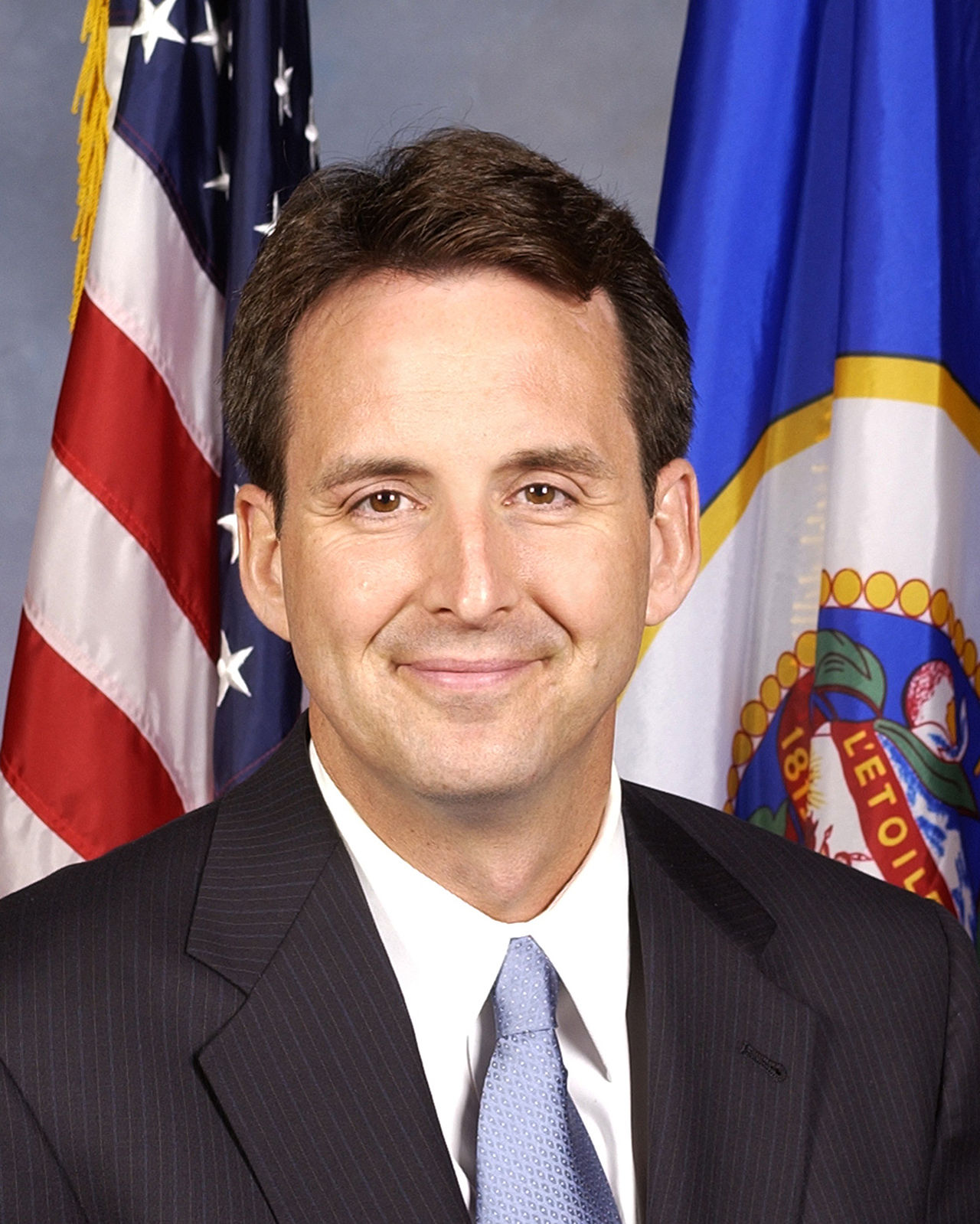
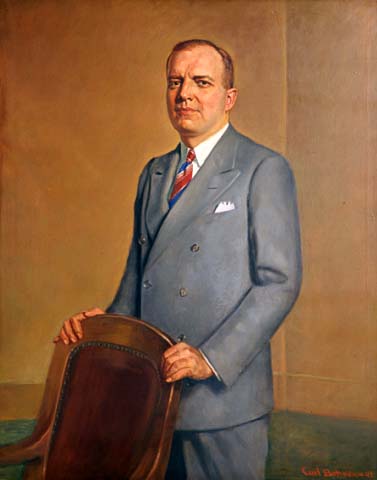
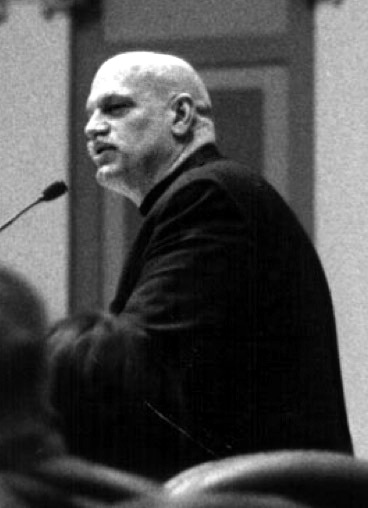
The office dates to Minnesota’s admission to the Union in 1858; Henry Sibley served as the state’s first governor. Over time the office has alternated among parties, reflecting broader political changes. Notable occupants include Henry Sibley (first), Rudy Perpich (long-serving governor), Jesse Ventura (a successful third-party candidate), and more recently Tim Walz. For an authoritative overview of the governor’s duties and current administration, see the state resources: State government overview, office details and information about the current governor at governor’s page.
Questions and answers
Q: Who is the Governor of Minnesota?
A: The current governor of Minnesota is Tim Walz.
Q: What is the role of the Governor of Minnesota?
A: The Governor of Minnesota is the chief executive of the state's executive branch.
Q: How is the Governor of Minnesota elected?
A: The Governor of Minnesota is elected to office by popular vote.
Q: How many people have served as governor of Minnesota?
A: Thirty-nine different people have been governor of the state.
Q: Which political party does Tim Walz belong to?
A: Tim Walz is a member of the Democratic Party.
Q: What is the significance of the Governor of Minnesota?
A: The Governor of Minnesota is the highest government official in the state and has the responsibility of leading the state's executive branch.
Q: Can the Governor of Minnesota be re-elected?
A: Yes, the Governor of Minnesota can be re-elected for another term.
Related articles
Author
AlegsaOnline.com Governor of Minnesota Leandro Alegsa
URL: https://en.alegsaonline.com/art/39990