
Government of Bangladesh: structure, constitution, and key institutions
An overview of Bangladesh's parliamentary representative democratic republic: constitutional origins, main institutions, legislative and electoral features, and governance roles.
Overview: The government of Bangladesh operates as a parliamentary system within a representative democratic republic framework. Executive power is exercised by a council of ministers led by the Prime Minister, while the President serves as the ceremonial head of state. The head of government is responsible for day-to-day administration, policy direction and forming the cabinet from members of the legislature.
Image gallery
4 Images


Constitution and legal framework
The Constitution adopted in 1972 sets out Bangladesh's fundamental institutions, rights and the distribution of powers. Since its promulgation the constitution has been amended on multiple occasions; the original document establishes principles such as parliamentary government, fundamental rights, and an independent judiciary. Constitutional provisions determine how laws are made, how the executive is formed and how the courts review legislation and executive acts.
Structure and elections
The national legislature is unicameral and comprises members elected from single-member constituencies. There are 300 directly elected seats; elections must be held at least every five years. All citizens who have reached the age of 18 are eligible to vote in national elections. The Parliament selects the Prime Minister, who commands the confidence of the majority, and approves the national budget and major legislation.
Key institutions
- Executive: Prime Minister and the Cabinet, responsible for government policy and administration.
- Head of state: The President performs largely ceremonial duties and signs bills into law.
- Legislature: The national parliament enacts laws, oversees the executive and represents constituencies.
- Judiciary: An independent court system headed by the Supreme Court interprets the constitution and reviews disputes.
- Election Commission and local bodies: Institutions that organize elections and administer local government functions.
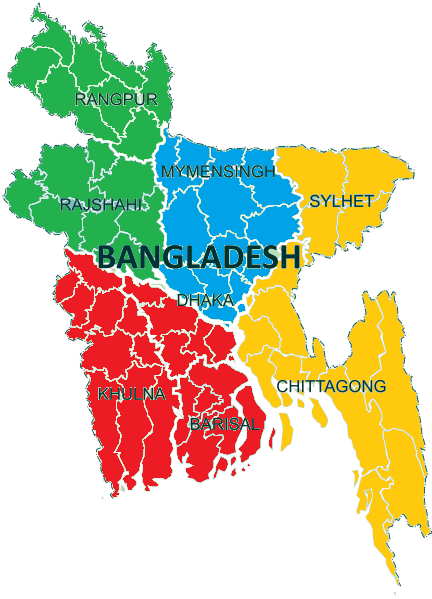
Local government is delivered through a hierarchy of administrative units that provide public services, development planning and community oversight. Political life in Bangladesh is characterized by active party competition, parliamentary debate and periodic challenges related to governance, electoral management and development priorities. The government plays a central role in economic planning, public infrastructure, education and social services, and its institutions shape how public policy responds to both local needs and international commitments.
Notable features include a strong parliamentary tradition in which the ruling party or coalition forms the executive, a formal separation between the symbolic head of state and the political head of government, and established constitutional mechanisms for amendment, judicial review and election supervision. For further reading on administrative practice and recent developments consult national sources and official institutional pages.
Questions and answers
Q: What type of government does Bangladesh have?
A: Bangladesh has a parliamentary representative democratic republic.
Q: Who is the head of government in Bangladesh?
A: The Prime Minister of Bangladesh is the head of government.
Q: When was the Constitution of Bangladesh written?
A: The Constitution of Bangladesh was written in 1972.
Q: How many amendments have there been to the Constitution of Bangladesh?
A: There have been fifteen amendments to the Constitution of Bangladesh.
Q: At what age are citizens eligible to vote in Bangladesh?
A: All citizens are able to vote after they turn 18 in Bangladesh.
Q: How many members are there in the legislature of Bangladesh?
A: There are 300 members in the legislature of Bangladesh.
Q: How often are the members of the legislature elected in Bangladesh?
A: The members of the legislature are elected at least every 5 years in Bangladesh.
Related articles
Author
AlegsaOnline.com Government of Bangladesh: structure, constitution, and key institutions Leandro Alegsa
URL: https://en.alegsaonline.com/art/39941
Sources
- bdnews24.com : "Nasim swipes at Khaleda"