
Goosebumps — R. L. Stine's children's horror series and its legacy
Overview of the Goosebumps children's horror franchise by R. L. Stine: format, themes, history, spinoffs, media adaptations, controversies and cultural impact.
Goosebumps is a best-known series of children's horror novels created and chiefly written by R. L. Stine. First published in the early 1990s, the books are aimed at middle-grade readers and are notable for brisk pacing, suspenseful premises, accessible language and frequent twist endings. Each volume generally presents a self-contained story in which ordinary children confront supernatural threats such as monsters, curses, haunted places or eerie strangers.
Image gallery
5 Images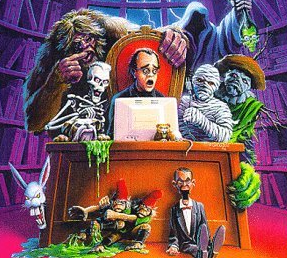


Format, themes and recurring elements
The original Goosebumps books are short, fast-moving novels that emphasize atmosphere and suspense over graphic detail. Typical features include a youthful protagonist, an escalating threat, a buildup of small clues, and a surprising or ironic conclusion. Common motifs are haunted houses, dolls and toys that come to life, portals to other worlds, and morally tinged lessons about curiosity and courage. Many readers and educators note the series' role in introducing reluctant readers to longer-form fiction.
History and spinoffs
R. L. Stine launched the original Goosebumps line in the early 1990s. The success of the core series led to numerous related series and special editions that expanded the franchise and experimented with form. Notable spin-offs include the interactive Give Yourself Goosebumps books, which invite readers to make choices that affect the outcome, and Goosebumps: Series 2000, a follow-up line that continued the formula with new stories. Special collections, anniversary reissues and short-story anthologies also appeared over time, keeping the franchise in print for new generations.
Adaptations and merchandise
Goosebumps grew into a multimedia franchise with adaptations and licensed products. A television anthology series brought many stories to the screen and introduced the books to viewers who had not read them. Video games and board games were produced, including titles such as "Terror in the Graveyard" and "Escape from Horrorland"; an interactive PC game called Goosebumps: Escape from Horrorland was released in the 1990s. In the 2010s, the series inspired feature-film adaptations that blended horror and comedy; a film released in 2015 starred Jack Black in a meta-fictional role as the author figure. For cover art, Tim Jacobus is widely credited with creating the iconic paintings for many original paperbacks, while later spin-offs used digital art techniques by other illustrators.
Reception, challenges and cultural impact
Goosebumps enjoyed widespread popularity and commercial success, becoming a dominant presence on children’s reading lists during the 1990s. At the same time, some parents, educators and librarians raised concerns about the books' scary content, leading to challenges and removals in some schools and libraries. The series was ranked among the most frequently challenged titles in the United States during the 1990s. For discussion and resources about those controversies see library responses and cataloging entries from organizations like relevant associations. The series' record of challenges has been documented in period summaries covering the 1990–1999 decade overview and lists of contested works case studies.
Notable editions and where to learn more
Readers curious about branching formats can try the interactive Give Yourself Goosebumps books, which invite readers to direct the story, or later lines such as Series 2000 and themed anthologies. A selection of games and adaptations is available for those interested in transmedia storytelling: some licensed board games and a 1996-era PC title are among the official releases. Publishers and fan resources maintain bibliographies and reading orders; for official announcements and legacy publications consult publisher pages and archival materials spin-off listings, retrospectives series summaries, and multimedia guides games and tie-ins. For the film adaptations and cast information see contemporary film notes movie pages and profiles of the lead actor actor credits.
- Key creator: R. L. Stine, principal author and franchise lead.
- Original cover art: Tim Jacobus; later digital art by other illustrators.
- Formats: single-title novels, interactive books, anthologies, TV and film adaptations, games and tie-in merchandise.
Today Goosebumps remains a culturally recognizable brand that introduced many young readers to genre fiction. Its blend of accessible prose, suspense, and imaginative premises helped define an era of children's horror and continues to influence authors, adaptations and young-readers publishing strategies.
Questions and answers
Q: What is Goosebumps?
A: Goosebumps is a collection of children's horror fiction books written by R. L. Stine.
Q: Why did some American libraries disagree with having the Goosebumps books in their collection?
A: Some American libraries disagreed with having the Goosebumps books in their collection because they contained too much violence.
Q: In what years were the Goosebumps novels listed as the most frequently challenged books by the American Library Association?
A: The Goosebumps novels were listed as the most frequently challenged books from 1990 to 1999.
Q: Apart from the Goosebumps series, what other spinoffs were made by R. L. Stine?
A: Apart from the Goosebumps series, R. L. Stine also wrote Give Yourself Goosebumps and Goosebumps: Series 2000 which appeared in 1995 and 1998.
Q: What board games were created after the Goosebumps series?
A: Two board games were created after the Goosebumps series and they were called "Terror in the Graveyard" and "Escape from Horrorland".
Q: What PC game was produced after the Goosebumps series?
A: A PC game called Goosebumps: Escape from Horrorland was produced after the Goosebumps series.
Q: Who was the artist responsible for the front covers and most other Goosebumps-related art?
A: Artist Tim Jacobus was responsible for the front covers and most other Goosebumps-related art.
Related articles
Author
AlegsaOnline.com Goosebumps — R. L. Stine's children's horror series and its legacy Leandro Alegsa
URL: https://en.alegsaonline.com/art/39714
Sources
- ala.org : ala.org