
Gold (color)
Gold (color) covers warm yellow‑orange hues that recall the metal, including metallic and flat variants, history, cultural meanings, production in paint and digital media, and design applications.
Gold or golden describes a family of warm colors in the yellow–orange range that evoke the appearance and associations of the precious metal gold. The term may refer to a lustrous, metallic sheen visible on jewelry and gilded surfaces, or to nonmetallic, flat yellow‑orange tones used in paint, textiles and graphic design. Because metallic appearance depends on surface reflection, true metallic gold is a combination of hue with specular highlights; many paints and digital reproductions approximate the hue without reproducing the optical sheen.
Image gallery
7 Images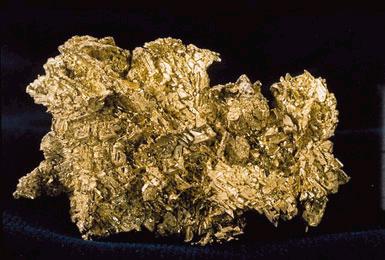



Appearance and common variants
Gold hues range from pale warm yellows to deeper, orange‑tinted browns. Common named variants and relatives include:
- Metallic gold — reproduces the reflective warm yellow of the metal and is achieved with metallic pigments, foil, leaf or special inks.
- Flat gold — a matte yellow‑orange used when sheen is undesirable or impractical.
- Old gold and antique gold — darker, browner tones that suggest patina or aged surfaces.
- Goldenrod, amber, ochre — related colors with stronger orange or brown components.
Perceived warmth, brilliance and “richness” depend on saturation and value: brighter, more saturated yellow‑golds read as vivid; lower‑value, browner tones read as subdued or historic.
Production and reproduction
Reproducing gold differs by medium. In traditional fine art and craft, metallic gold effects use gold leaf, metal leaf, or mica‑based metallic pigments. Gold leaf produces true reflectivity; metal‑effect paints and foils simulate it by reflecting light directionally. Flat gold paints are mixed from yellow, orange and brown pigments to approximate the hue without sheen. For industrial and packaging purposes, metallic inks, stamping foils and laminates provide a reflective finish.
In digital media, a named web color often called "gold" represents a conventional bright yellow‑orange used in CSS and graphics systems; designers select exact numeric values to ensure consistency across devices and to match brand standards. Color systems and manufacturers (for example paint or textile standards) provide swatches and codes for specific commercial variants.
Technical notes
The visual effect of metallic materials depends largely on surface microstructure and the way light is reflected. Metallic appearance is modeled in optics and computer graphics with parameters that describe specular reflection and anisotropy rather than with a simple pigment color. In print, metallic inks incorporate metallic flakes or pigments; they do not produce specular highlights as strongly as actual metal or gold leaf, so finishing methods such as varnishes or foils are used to enhance luster.
History and etymology
The adjective "golden" has medieval origins and long served to describe both the metal and similar colors. Historically, writers used the term for the metal and later extended it to hair and cloth that showed yellow‑gold tones. Scholarly treatments discuss the word’s development and its uses in literature and art; see linguistic resources on word histories and specialist art history texts for details (etymology, art history).
Cultural significance and symbolism
Across many cultures, gold tones carry associations derived from the precious metal: wealth, status, success, divinity and sacredness. In religious art, gilding signals the sacred or the heavenly; in secular contexts, gold accents are widely used in ceremonial regalia, awards and branding to suggest prestige. Meanings vary by culture and context, and designers choose gold tones with awareness of those associations.
Uses in design and practice
Typical applications include heraldry and flags (where metal tinctures are codified), interior and product finishes, packaging and branding, fashion and accessories, and digital interfaces that use gold to highlight or convey premium quality. Designers often pair gold with deep neutrals—navy, black, forest green or burgundy—to maximize contrast and perceived richness, or place it on dark backgrounds so metallic highlights stand out.
Distinctions and resources
Because the same word refers to both the element and a range of hues, writers and manuals sometimes distinguish the metal from color recipes and from standardized web or print values. Practical guides on painting, gilding and finishing explain techniques and material choices for achieving metallic or flat effects, while web and graphic references list standardized colors and recommendations for accessibility (web color references).
For further reading, consult craft manuals on gilding and metallic finishes, design handbooks on color usage, and etymological or art‑historical studies that trace the word’s use through literature and visual culture.
Questions and answers
Q: What is the color gold?
A: Gold is a yellowish orange color, or orange-tan color that resembles the color of the metal gold.
Q: What is the difference between gold and metallic gold?
A: Gold is the color derived from mixing brown, yellow, and orange paint, while metallic gold refers to the actual color of the metal used in gilding.
Q: How can gold paint be made?
A: Gold paint can be made by mixing brown, yellow paint, and orange paint.
Q: What is the web color for gold?
A: The web color for gold is sometimes referred to as golden in order to distinguish it from the element gold.
Q: What is the traditional usage of the color term "gold"?
A: In traditional usage, the color term "gold" is more often applied to the color "gold (metallic)".
Q: When was the first recorded use of "golden" as a color name in English?
A: The first recorded use of "golden" as a color name in English was in the year 1300 to refer to the element gold and in 1423 to refer to blonde hair.
Q: What is the composition of gold paint?
A: The composition of gold paint is a mixture of brown, yellow paint, and orange paint.
Related articles
Author
AlegsaOnline.com Gold (color) Leandro Alegsa
URL: https://en.alegsaonline.com/art/39467