
God in Judaism
An overview of Jewish beliefs about God: nature, names, historical development, religious implications, and distinct theological features across Jewish tradition.
Overview
Central to Judaism is the belief in a single, indivisible God who is the creator, sustainer and moral authority of the universe. Jewish faith emphasizes both God's absolute unity and a personal relationship between God and people. This conviction is often summarized by the basic creed known as the Shema, and it is the foundation of Jewish worship, law and identity. The principle of monotheism marked a major development in the religious landscape of the ancient Near East.
Image gallery
6 Images



Names and attributes
Traditional Jewish texts use several names and titles for God that reflect different aspects of the divine. Common terms include YHWH (the Tetragrammaton, treated as ineffable), Elohim (a term often translated as God), and Adonai (Lord). Judaism emphasizes attributes such as unity, incorporeality, timelessness, omnipotence and moral perfection. Many rabbis teach a method of talking about God by describing what God is not as much as what God is—an approach known as negative theology intended to avoid anthropomorphism.
Historical background
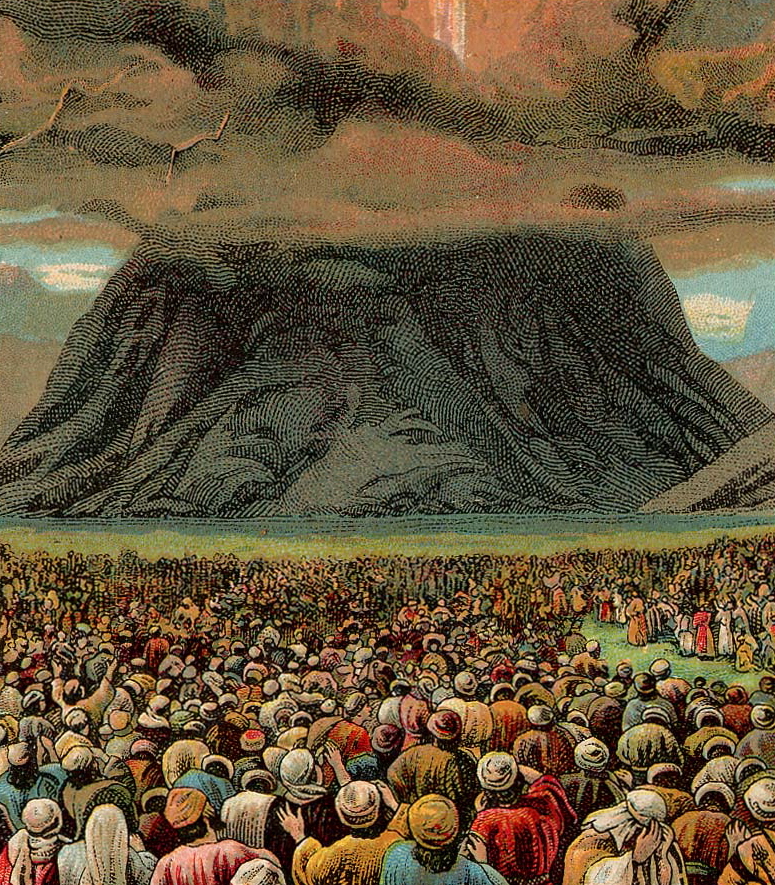
Judaism developed in the ancient Near East. Its roots are commonly traced to the early patriarchal narratives and to historical communities that lived in regions such as Mesopotamia and Canaan. The biblical account situates key events in the broader setting of the Middle East. Foundational stories tell of figures such as Abraham, who is portrayed as entering a covenantal relationship with God, and of later leaders like Moses, who is associated with revelation at Sinai. Narratives of migration, hardship and return—sometimes prompted by circumstances such as famine—shape the community's sense of history and destiny.
Practices and religious implications
Belief in God informs Jewish law (Halakha), ritual practice and ethics. The covenantal relationship with God includes obligations expressed as commandments in the Torah; observances such as prayer, study, dietary laws and rest on the Sabbath are means of honoring that covenant. For many Jews, keeping Shabbat is a weekly enactment of creation and liberation. The history of dispersion, often referred to as the Jewish Diaspora, carried these beliefs and practices into diverse societies while preserving core theological commitments.
Varieties of belief and theological reflection
Across time, Jewish thought has generated a range of interpretations about God's nature and how humans relate to the divine. Rabbinic literature, medieval philosophers and modern theologians have debated issues such as divine providence, human free will, and the problem of suffering. Different Jewish movements—Orthodox, Conservative, Reform and others—emphasize various aspects of tradition and law, resulting in diverse but related understandings of God and worship.
Distinctive features and notable points
- Unity and uniqueness: God's oneness is a central and non-negotiable claim of Judaism.
- Prohibition on images: Jewish law traditionally forbids making graven images for worship, reflecting the belief that God is beyond physical depiction.
- Ineffability: Many Jewish traditions stress that the divine name and essence should be treated with reverence and restraint.
For those seeking further study, introductory texts and religious commentaries provide entry points into scripture, liturgy and philosophy. Scholarly resources and community teachings offer different lenses on how the idea of God in Judaism has been lived, debated and expressed across millennia.
Questions and answers
Q: What do Jews believe about God?
A: Jews believe in only one god and believe that they can have an individual and personal relationship with him.
Q: What is the name of the god that Jews believe in?
A: The name of the god that Jews believe in is God, meaning “The Name” or “My Master”.
Q: Where did the Jewish religion originate?
A: The Jewish religion originated in Mesopotamia and later moved to Canaan, near the Middle East.
Q: When did the Jewish religion begin to develop?
A: The Jewish religion began to develop gradually around 1800 BCE.
Q: Who did God talk to and what did he tell him to do?
A: God talked to Abraham and told him to go to Canaan with his followers, where they became sheep herders.
Q: What specific rules do Jews have to follow from their bible?
A: Jews have to follow specific rules from their bible, including the 10 commandments, and they have to live near their Synagogue because they don't believe in taking transportation on Shabbat.
Q: What is the Jewish Diaspora?
A: The Jewish Diaspora is the spread of Judaism after Abraham and his followers returned to Canaan, with Jews spreading to other countries and taking their religion with them.
Related articles
Author
AlegsaOnline.com God in Judaism Leandro Alegsa
URL: https://en.alegsaonline.com/art/39378