
Gnat: small flies of the suborder Nematocera
Gnat describes several kinds of very small flies in the suborder Nematocera. It is a loose, non-technical term covering both biting and non-biting species, many of which swarm in damp habitats.
A gnat is a common name applied to various very small flies belonging to the broad suborder Nematocera. The word "gnat" is not a precise scientific classification but a descriptive label for tiny, delicate flies that often appear in groups. For a basic sense of their place among insects, gnats are types of flies, sharing the order Diptera with mosquitoes, midges and houseflies, though not all members of those groups are called gnats.
Image gallery
2 Images
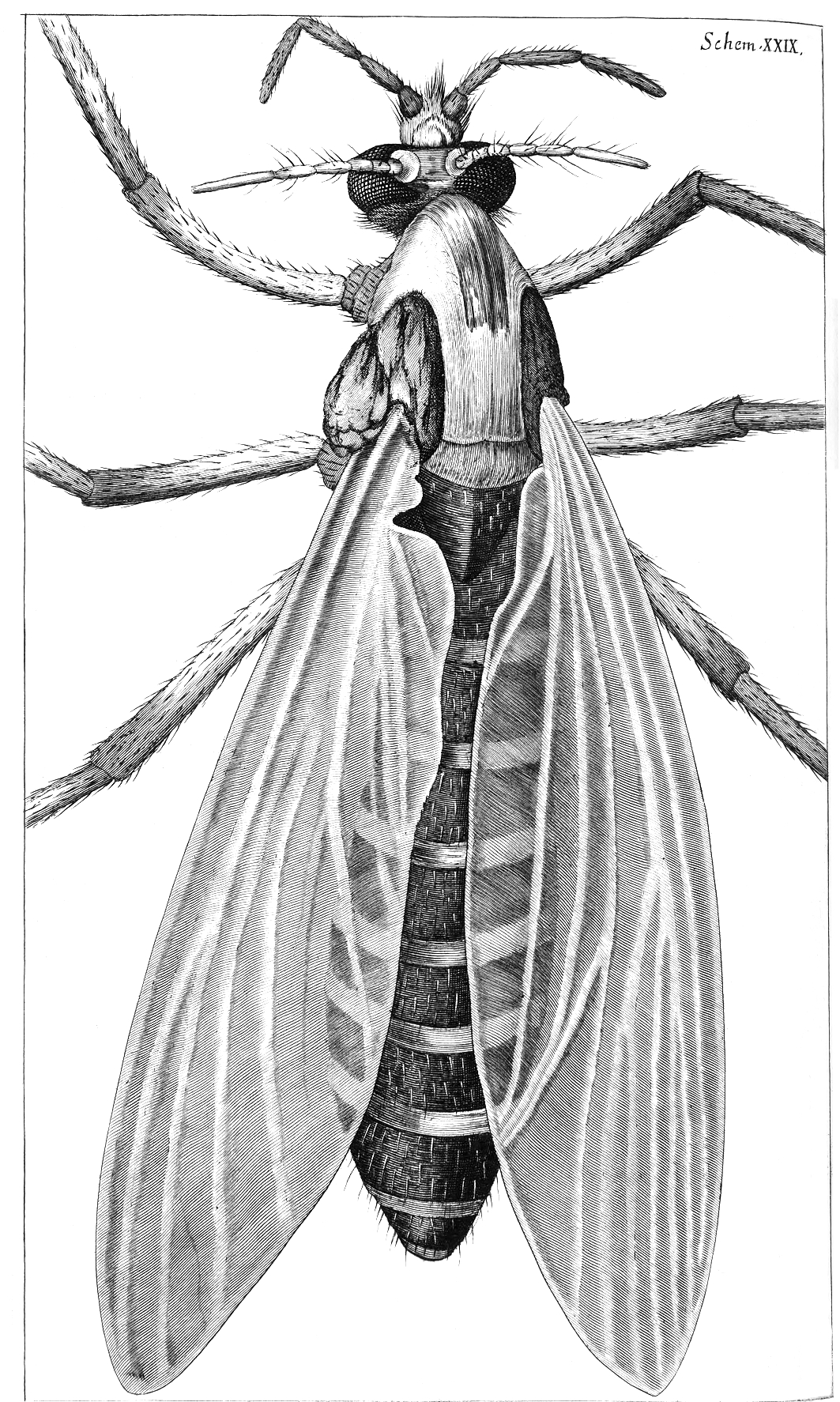
Characteristics
Gnats are generally small (often only a few millimetres long), fragile-bodied and long-legged. Many species have threadlike antennae and a single pair of wings, typical of Diptera. Life cycles follow the usual stages of egg, larva, pupa and adult; larval habitat varies by species and may include soil, decaying plant matter, water or living plant tissue. Behaviorally, some species bite and feed on blood or other fluids, while others feed on nectar, fungi or organic debris.
Ecology and behavior
Gnats commonly occur where moisture and organic material are abundant. They are often most noticeable in damp places such as wetlands, riverbanks, marshes and even boggy upland areas — famously forming large flying clouds in regions like the Scottish Highlands (example habitats). Ecologically they can act as pollinators, decomposers and a food source for birds, bats and predatory insects. Some species are attracted to eyes, wounds or secretions; a well-known field description of such "eye-gnats" is available from institutions that study insect behavior (further reading on eye-gnats).
Interaction with people
To humans, gnats are often a nuisance rather than a major health threat. Biting varieties (sometimes called midges) can cause irritation and, in livestock, can transmit certain animal diseases in some regions. Non-biting species may congregate around faces or food, and some types — such as fungus gnats — are pests of houseplants and greenhouse crops because their larvae damage roots. Simple control measures include reducing standing water, improving drainage and using physical barriers or targeted biological controls in agricultural settings.
Management and examples
- Sanitation: remove decaying organic matter and stagnant water to reduce breeding sites.
- Physical control: fine mesh screens and traps can intercept adults.
- Biological or chemical options: in sensitive settings, use biological agents or carefully chosen insecticides following local guidance.
Distinctions and notable groups
Because "gnat" is an informal term, it overlaps with several named families and groups: for example, fungus gnats (often found around potting soil), blackflies and biting midges (which bite mammals), and tiny non-biting eye-gnats noted for their attraction to bodily secretions. For identification or management guidance it is useful to determine the exact family or species rather than rely solely on the common name, since ecology and control differ between groups.
For a concise overview and identification help, see introductory resources on small fly biology and behavior (fly basics, Nematocera overview, habitat notes, eye-gnat description).
Questions and answers
Q: What is a gnat?
A: A gnat is any tiny fly in the suborder Nematocera.
Q: Is "gnat" a technical term?
A: No, "gnat" is a loose descriptive category rather than a technical term.
Q: Can gnats be both biting and non-biting?
A: Yes, gnats can be both biting and non-biting.
Q: What are biting gnats often called?
A: Biting gnats are often called midges.
Q: Where do gnats often fly in large numbers?
A: Gnats often fly in large numbers, called clouds, in damp places like the Scottish Highlands.
Q: What are eye-gnats?
A: Eye-gnats are a group of non-biting flies attracted to fluids secreted by your eyes.
Q: How big are eye-gnats?
A: Eye-gnats are no bigger than a few grains of salt, according to the Smithsonian Institution.
Related articles
Author
AlegsaOnline.com Gnat: small flies of the suborder Nematocera Leandro Alegsa
URL: https://en.alegsaonline.com/art/39313
Sources
- entomology.ca.uky.edu : "Midges and Gnats | Entomology"
- newsdesk.si.edu : "Gnats always keep an eye out for a good place to eat"