
Ghost frog (Heleophrynidae)
A compact encyclopedic overview of ghost frogs (family Heleophrynidae): appearance, habitat, life cycle, conservation status and distinguishing traits of the stream‑adapted frogs of southern Africa.
The term ghost frog refers to a small family of frogs (Heleophrynidae) native to southern Africa. The family contains two recognized genera, Heleophryne and Hadromophryne, and includes several species restricted to mountain catchments. These frogs are closely associated with fast, rocky streams and waterfalls; their common name is sometimes linked to populations found in places such as Skeleton Gorge near Cape Town and to their cryptic, shadowy appearance.
Image gallery
4 Images


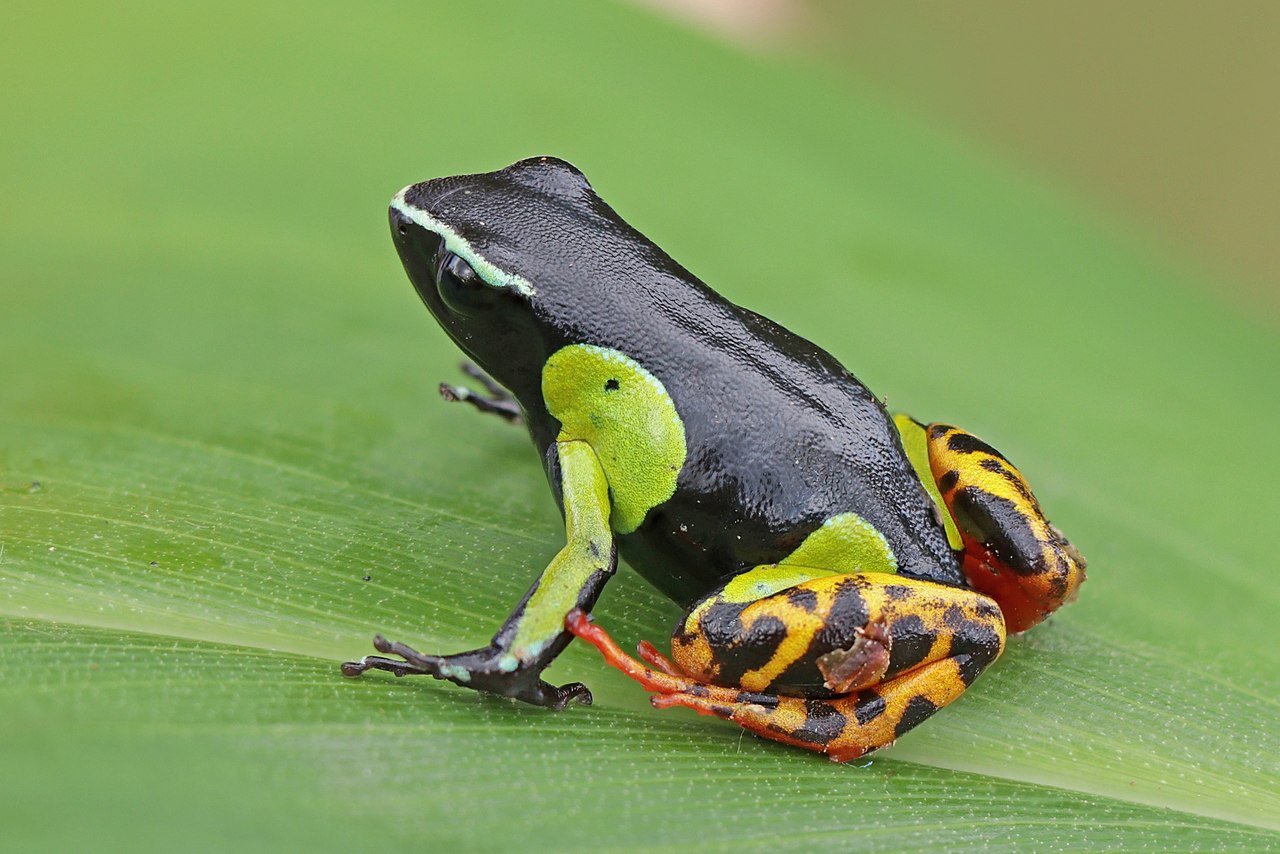
Physical characteristics and adaptations
Ghost frogs show a suite of anatomical features adapted to life in turbulent water. Adults tend to be relatively flattened in profile, with strong limbs and long toes often equipped with expanded pads or partial webbing to improve grip on wet rocks. Their skin is usually mottled or dull, providing camouflage among stones and algae.
- Tadpoles: Larvae are specialized for fast currents: many have streamlined bodies and large sucking mouths or ventral adhesive discs that let them cling to submerged surfaces.
- Adults: Streamlined shape, muscular legs for holding position, and cryptic coloration help them avoid predators and resist being swept away.
Distribution and habitat
Ghost frogs are endemic to temperate and montane regions of southern Africa, with most species found in South Africa. They occupy cool, well‑oxygenated mountain streams, waterfalls and seepages where flowing water persists year‑round. Because of this narrow ecological niche, their distributions are often fragmented and tied to particular mountain ranges and watersheds.
Life cycle and behavior
Reproduction typically takes place in or adjacent to flowing water. Females lay eggs attached to rocks or hidden in crevices within streams, and tadpoles remain aquatic for an extended larval period while they develop the morphological features needed to cope with currents. Adults are primarily insectivorous and tend to be most active at night or during damp conditions, using rock crevices and overhangs as daytime refuges.
Conservation and significance
Because ghost frogs depend on clean, cold mountain streams, they are vulnerable to habitat alteration. Threats include water pollution, stream diversion, habitat fragmentation, invasive vegetation that alters runoff, and climate change which can reduce stream flow. Several species have restricted ranges and are of conservation concern; protecting riparian corridors and maintaining natural flow regimes are important for their survival. Ghost frogs also serve as indicators of freshwater ecosystem health due to their sensitivity to water quality.
For taxonomic details and further reading on the family, see the entry for the Heleophrynidae and resources on the genera Heleophryne and Hadromophryne. General distribution and habitat information is summarized in regional amphibian guides focused on South Africa.
Questions and answers
Q: What is the ghost frog?
A: The ghost frog is a family of frogs belonging to the family Heleophrynidae.
Q: How many genera are there in the family of ghost frogs?
A: There are two genera in the family of ghost frogs, namely, Heleophryne and Hadromophryne.
Q: Where do ghost frogs live?
A: Ghost frogs live in swift-moving mountain streams in South Africa.
Q: Why are ghost frogs called ghost frogs?
A: Ghost frogs are called ghost frogs because they live in Skeleton Gorge.
Q: How many species of ghost frogs are there?
A: There are seven species of ghost frogs.
Q: What are the names of the two genera in the family of ghost frogs?
A: The two genera in the family of ghost frogs are Heleophryne and Hadromophryne.
Q: In which country can ghost frogs be found?
A: Ghost frogs can be found in South Africa.
Related articles
Author
AlegsaOnline.com Ghost frog (Heleophrynidae) Leandro Alegsa
URL: https://en.alegsaonline.com/art/38651