
Ghazni Province, Afghanistan
Ghazni Province is an eastern Afghan region centered on Ghazni City, noted for its long history as a cultural and strategic crossroads, diverse population, and archaeological heritage.
Overview
Ghazni Province lies in eastern Afghanistan and is one of the country's thirty-four provinces. Its administrative centre is Ghazni City. The province occupies a strategic position on historic east–west trade and communication routes and serves as a regional hub connecting Kabul to southern Afghanistan. Local speech includes Dari (Persian) and Pashto; the Persian name is shown as غزنی and the Pashto name as غزني.
Image gallery
10 Images



Geography and administration
Ghazni features a mix of highlands and plains. Its terrain includes mountain ranges, valleys used for agriculture, and semi-arid steppe. The climate tends to be continental with cold winters and warm summers, influencing seasonal farming and livestock patterns. Administration is organised into multiple districts with the provincial capital serving as the principal economic and service centre.
History and heritage
The province has a deep history as a cultural and political centre. In the medieval period the city of Ghazni rose to prominence under dynasties that made it a capital and a centre of learning and commerce. Remnants of that past survive in archaeological remains, historical towers and tombs, and local traditions that reflect centuries of cultural exchange.
People and culture
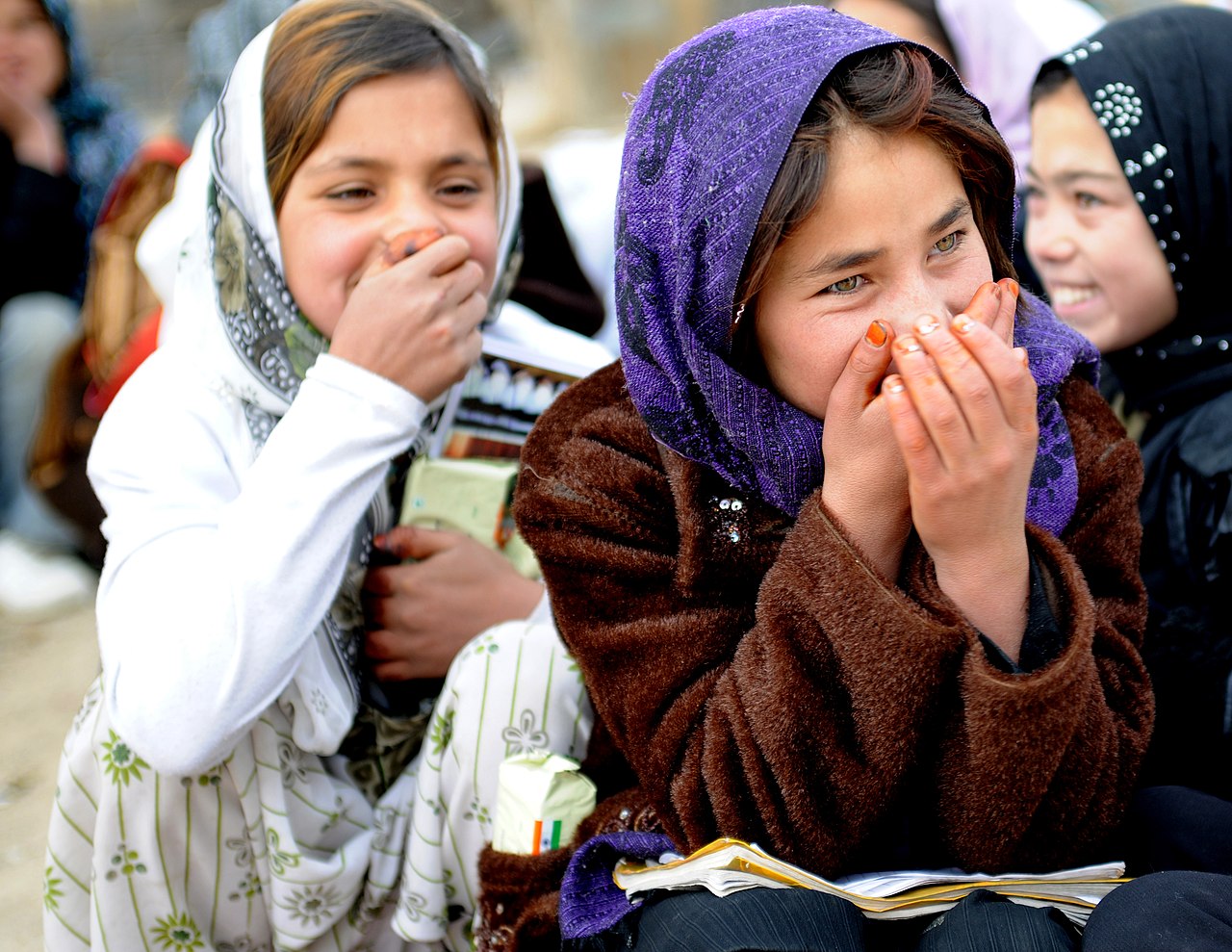
Ghazni is ethnically and linguistically diverse, home to Pashtun, Tajik, Hazara and other communities. Most inhabitants practice Islam, and local culture blends rural lifestyles with urban influences in the provincial capital. Traditional crafts, music and oral literature remain important parts of social life, while education and public institutions are present in Ghazni City and other towns.
Economy and infrastructure
The provincial economy is largely based on agriculture, animal husbandry, local trade and services. Roads that cross the province are vital for market access and for movement between Afghanistan's major urban centres. Infrastructure and development efforts have been affected by periods of conflict and insecurity, which also shape migration and livelihoods.
Notable sites and contemporary issues
- Historic monuments and archaeological sites associated with Ghazni's medieval prominence and rulers.
- The provincial capital, which concentrates government, education and cultural institutions.
- Challenges such as reconstruction, security and delivery of services that influence daily life and development priorities.
Ghazni continues to be significant for its heritage and its role as a crossroads within the country, attracting both scholarly interest and practical attention related to regional reconstruction and governance.
Questions and answers
Q: How many provinces does Afghanistan have?
A: Afghanistan has thirty-four provinces.
Q: What is the location of Ghazni Province?
A: Ghazni Province is located in the east of Afghanistan.
Q: What is the capital of Ghazni Province?
A: The capital of Ghazni Province is Ghazni City.
Q: What is the meaning of the name Ghazni?
A: Ghazni is a Persian and Pashto word which means "jewel" or "treasure".
Q: What is the population of Ghazni Province?
A: The population of Ghazni Province is estimated to be around 1.3 million people.
Q: What are the main languages spoken in Ghazni Province?
A: The main languages spoken in Ghazni Province are Pashto and Dari.
Q: What are some famous landmarks in Ghazni Province?
A: Some famous landmarks in Ghazni Province include the Citadel of Ghazni, the Minaret of Jam, and the Tomb of Sultan Mahmud Ghaznavi.
Related articles
Author
AlegsaOnline.com Ghazni Province, Afghanistan Leandro Alegsa
URL: https://en.alegsaonline.com/art/38629
Sources
- aims.org.af : aims.org.af/