
Gesso: primer for painting — composition, history, and uses
Gesso is a traditional painting ground used to prepare wood, canvas and sculptures. This article explains its composition, varieties (traditional and acrylic), application methods, history and practical considerations.
Overview
Gesso is a surface preparation used by artists to create a stable, uniform ground before applying paint or other media. It evens out texture, seals absorbent supports and provides a bright, reflective base that affects how color and light are perceived. Gesso is commonly applied to wooden panels, stretched canvas and three-dimensional forms such as sculpture. Artists refer to it simply as a primer or ground.
Image gallery
2 Images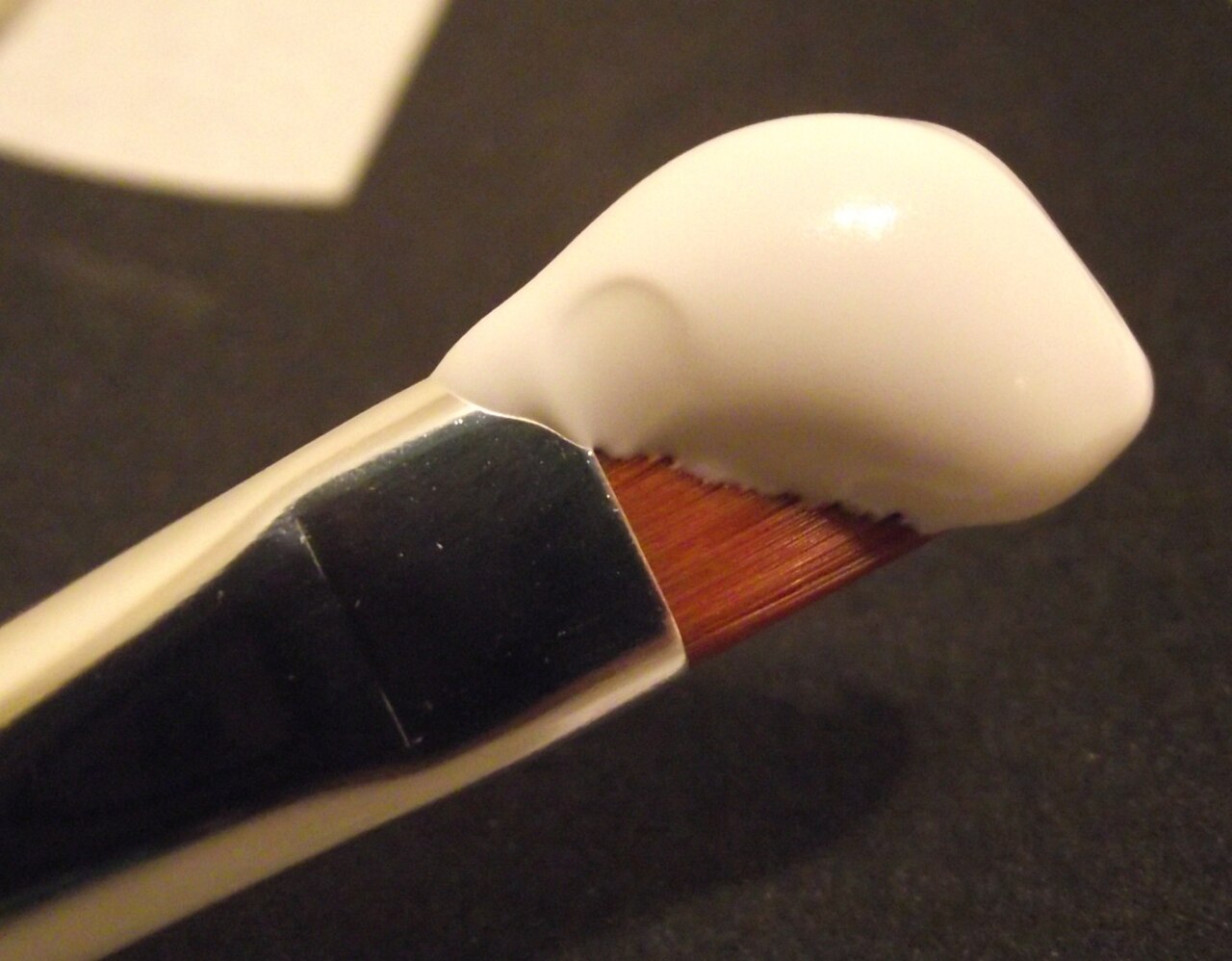

Composition and types
Historically, gesso is a mixture of a white paint-like pigment and a binding material. Traditional or "true" gesso uses an animal-based binder such as hide glue or gelatin combined with a white filler like chalk, plaster or gypsum. Modern studio practice also includes acrylic gesso, which substitutes an acrylic polymer for the animal glue and often contains titanium dioxide for whiteness. Both varieties include inert pigment and fillers that give the surface its color and texture, but they behave differently in handling and longevity.
Characteristics and practical effects
- Absorbency: Traditional gesso is porous and absorbs paint differently from oil or acrylic grounds.
- Tooth: Gesso creates a slight texture (tooth) that helps paint adhere.
- Flexibility: Acrylic-based grounds are more flexible and less brittle than hide-glue gesso, making them suited to stretched canvas.
- Color and reflectivity: White gesso brightens colors, but grounds can be tinted or toned for different pictorial effects.
Application and techniques
Preparation commonly follows steps: size the support if necessary, apply multiple thin coats of gesso, allow drying between coats and lightly sand to adjust smoothness. Many painters begin with a toned ground rather than bright white to influence values from the first layer. While acrylic gesso is convenient and fast-drying, conservators note that traditional gesso remains valuable for certain techniques such as egg tempera or gilding.
History and development
Gesso has roots in medieval and Renaissance workshop practice, where artists prepared rigid panels with layers of chalk and animal glue to receive tempera and later oil paint. Over centuries the recipes and tools evolved: artisans adapted mixtures to the demands of panel painting, mural work and portable canvases. The 20th century introduced synthetic binders and commercial acrylic gessos, expanding options for contemporary painters working in oil, acrylic and mixed media. Gesso remains a fundamental material across disciplines in art.
Variations, cautions and common uses
Although many refer to every white ground as gesso, it is useful to distinguish traditional, absorbent gesso from modern acrylic grounds. Traditional gesso can crack if applied to flexible supports, while acrylic gesso may form a skin that alters adhesion for subsequent oil layers; many artists therefore follow established compatibility guidelines (for example, oil paint can be applied over acrylic but not the other way around without suitable ground and drying times). Gesso is also used under mixed-media layers, for priming sculpture, and as a preparatory surface for drawing and collage. For further practical tips and safety guidance see resources on priming and ground preparation: primer basics, white grounds, pigments, binders, gelatin recipes, chalk fillers, plaster use, gypsum grounds, canvas preparation, art techniques and sculptural grounds.
Questions and answers
Q: What is gesso?
A: Gesso is a white paint mixture used as a primer or foundation for art painting on wood or canvas.
Q: What is the purpose of gesso in art painting?
A: Gesso is used in art to prepare surfaces for painting, especially rough or uneven surfaces like wood panels, canvas, and sculpture. It lets the artist's chosen subject show more clearly than it would otherwise.
Q: What is the binder used in traditional gesso?
A: Traditionally, the binder used in gesso is glue or gelatin.
Q: What is the pigment used in traditional gesso?
A: Traditionally, the pigment used in gesso is chalk, plaster or gypsum.
Q: Why do many artists still prime a surface even if it has no roughness?
A: Many artists still prime a surface even if it has no roughness because the primer may change and help the quality of light reflected from the surface.
Q: Can gesso be seen directly in a painting?
A: No, gesso cannot be seen directly in a painting.
Q: Is gesso only useful for rough or uneven surfaces?
A: Gesso is especially useful for rough or uneven surfaces, but it can still be used on smoother surfaces to enhance the quality of light reflected from the surface.
Related articles
Author
AlegsaOnline.com Gesso: primer for painting — composition, history, and uses Leandro Alegsa
URL: https://en.alegsaonline.com/art/38551
Sources
- books.google.com : books.google.com/books?id=I1DFuGQeG10C&pg=PA32&dq=%22Gesso+is%22&hl=en&ei=_wKqTLn3CoP6lwe…
- books.google.com : books.google.com
- books.google.com : books.google.com/books?id=eQkf05ZPoysC&pg=PA56&dq=%22Acrylic+gesso%22+%22oil+ground%22&hl…
- books.google.com : books.google.com/books?id=o23u0SuRLxsC&pg=PA321&dq=%22Italian+gesso%22&hl=en&ei=vxWqTKYIx…