
German Grand Prix
Longstanding international motor-racing event for Grand Prix cars, historically held at Nürburgring and Hockenheimring, influential in safety, engineering and Germany's motorsport and manufacturer legacy.
Overview
The German Grand Prix (Großer Preis von Deutschland) is one of the sport's historic national rounds for single-seater Grand Prix cars. It predates the modern Formula One World Championship in origin and has been part of the world championship on many occasions. The event has alternated between several circuits in Germany and has been a showcase for both local drivers and major German manufacturers.
Image gallery
10 Images

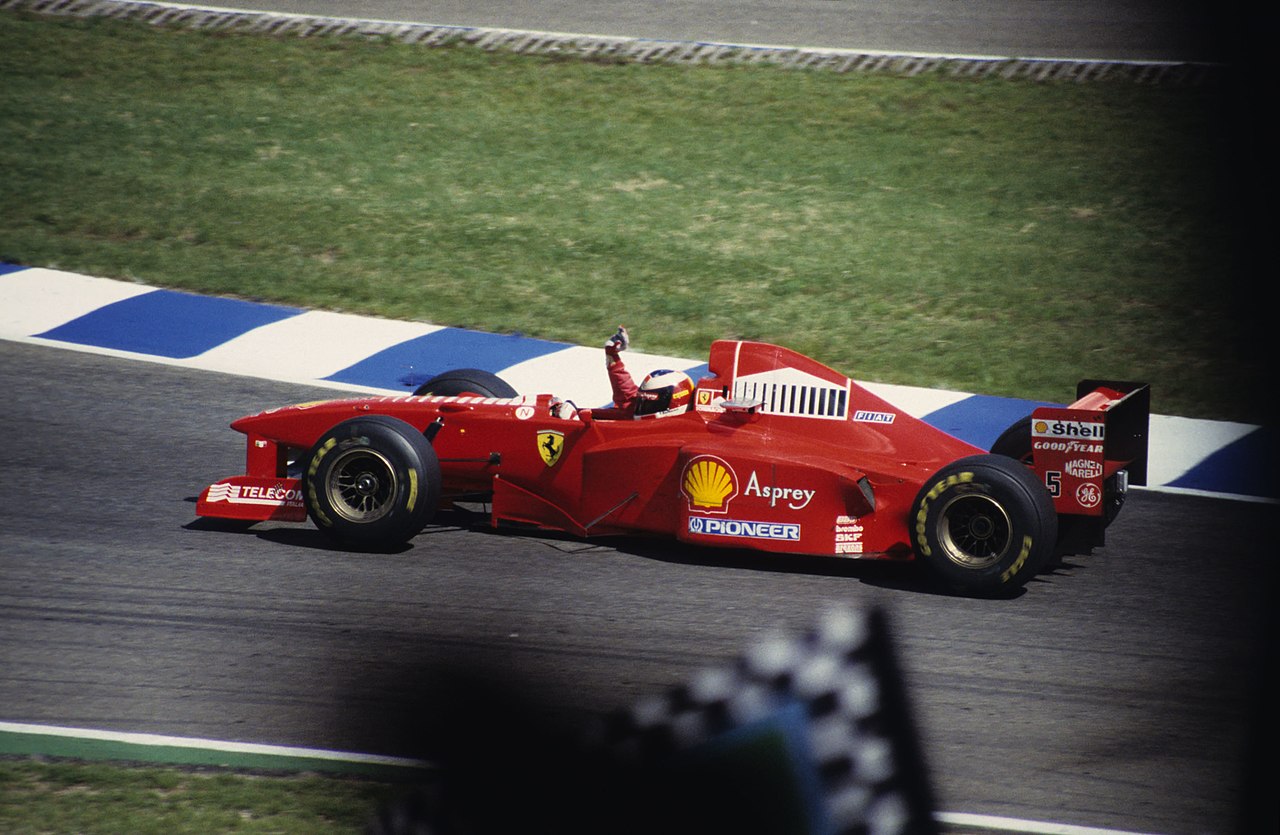


Circuits and characteristics
Two venues are most closely associated with the race: the Nürburgring and the Hockenheimring. The Nürburgring exists in a famous, lengthy historic configuration known as the Nordschleife, nicknamed the "Green Hell" for its complexity and unrelenting challenge. A modern Grand Prix layout coexists at the Nürburgring for contemporary racing. Hockenheim historically featured long forest straights and high speeds before a later reprofile to a shorter, more technical layout. Each circuit demands different car setups and produces distinct strategic and spectacle elements.
History and development
Races called the German Grand Prix have been held since the early decades of motor racing, through the interwar and postwar eras, and into the modern Formula One era. The event has reflected advances in vehicle technology, aerodynamics and tyre development. High-profile accidents and safety concerns in the 1960s and 1970s prompted major changes to circuits and safety standards worldwide, and the German rounds were frequently central to that evolution.
Notable moments and personalities
The race has produced many memorable on-track moments. Famous drivers from Germany and elsewhere have taken dramatic wins, and the event has been a national stage for figures who became synonymous with the sport. Incidents at the Nürburgring and Hockenheim over the decades influenced changes in car construction, medical response and circuit design.
Significance and legacy
The German Grand Prix has been important for manufacturers, engineers and fans. German marques have used the event as a platform for technical development, and domestic support for local drivers has made the races high-profile national occasions. Economic and calendar pressures in recent decades have sometimes led to gaps or changes in status, but the race's legacy in motorsport history and safety progress remains substantial.
Quick facts
- The Nürburgring Nordschleife is widely known as the "Green Hell" for its difficulty.
- Hockenheim's long straights were shortened during a major reprofile to improve facilities and safety.
- The German Grand Prix alternated venues at times, reflecting tradition, safety and commercial factors.
- The event has influenced circuit safety standards and vehicle development over many decades.
Questions and answers
Q: What is the German Grand Prix?
A: The German Grand Prix is a Formula One race held annually in Germany.
Q: When was the first German Grand Prix held?
A: The first German Grand Prix was held in 1926.
Q: Was the German Grand Prix always held at the same circuit?
A: No, the German Grand Prix has been held at various circuits in Germany over the years.
Q: Which German driver has won the most German Grand Prix races?
A: Michael Schumacher has won the most German Grand Prix races with 4 wins.
Q: Did the German Grand Prix take place in 2019?
A: No, the German Grand Prix was not held in 2019.
Q: Which team has won the most German Grand Prix races?
A: Scuderia Ferrari has won the most German Grand Prix races with 22 wins.
Q: What is the current circuit used for the German Grand Prix?
A: The current circuit used for the German Grand Prix is the Hockenheimring.
Related articles
Author
AlegsaOnline.com German Grand Prix Leandro Alegsa
URL: https://en.alegsaonline.com/art/38455