
Ancient Greek philosophy: origins, major thinkers, and lasting legacy
Comprehensive overview of philosophical thought in ancient Greece: origins, main schools and figures, methods, key texts, and its influence on later cultures, science, and ethics.
Overview
Ancient Greek philosophy refers to a broad body of thought that began in the mid-first millennium BCE and shaped many areas of knowledge, including metaphysics, ethics, politics, logic, and natural science. Its development continued into the Hellenistic period and the era of the Roman Empire. The very word philosophy was coined in Greek and originally denoted a love of wisdom that often encompassed what we now separate into philosophy, mathematics, and the sciences.
Image gallery
5 Images
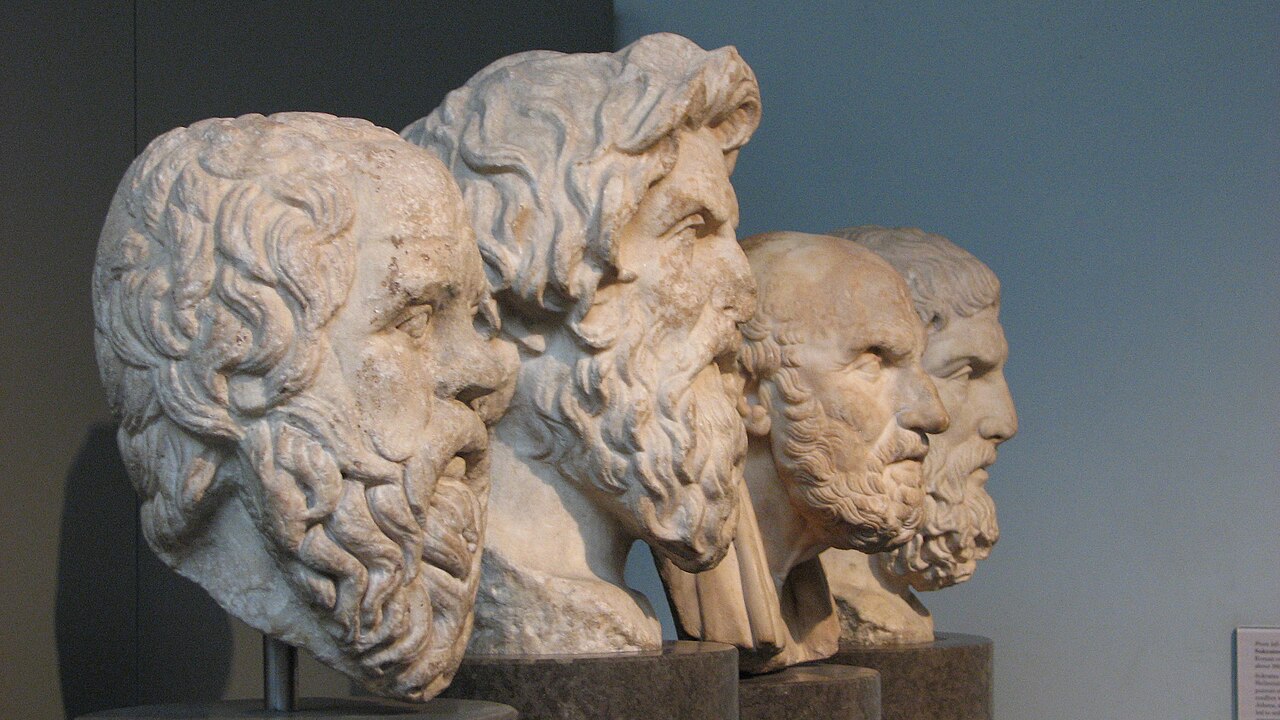
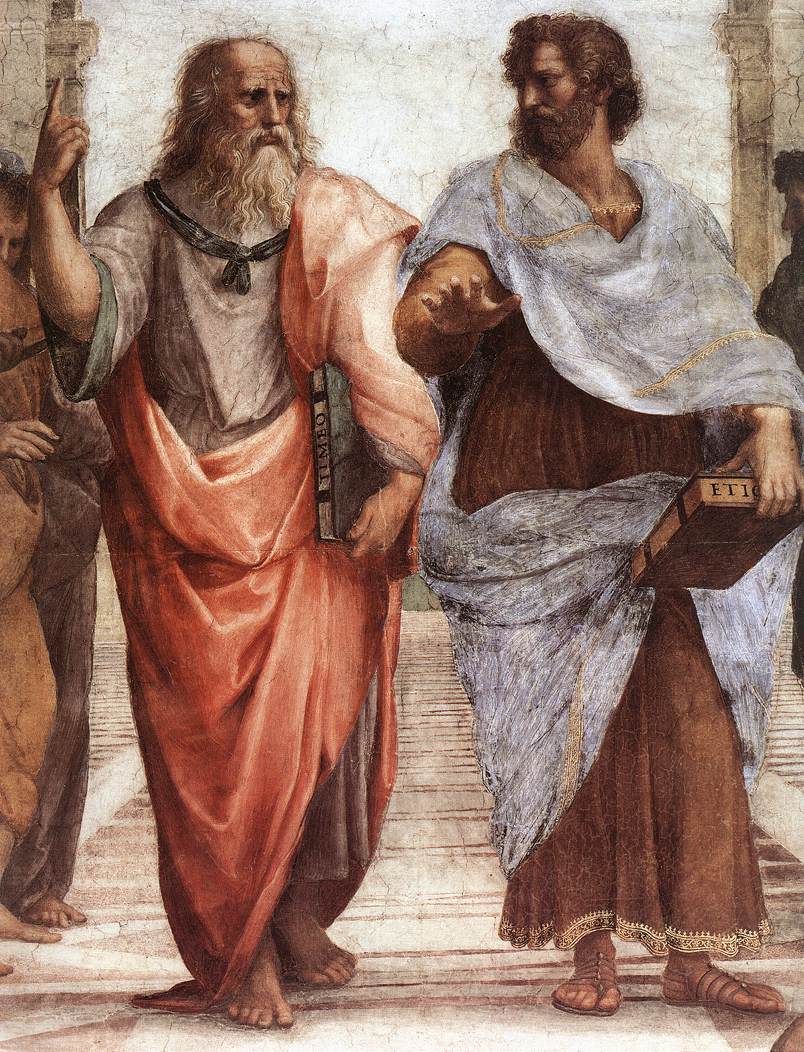

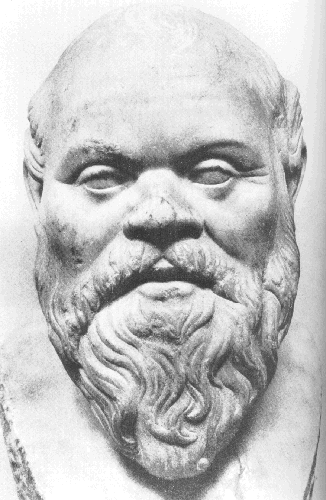
Characteristics and methods
Greek philosophers emphasized rational inquiry, argumentation, and careful distinctions. Common methods included dialectic (structured questioning), systematic definition, and close examination of common beliefs. Many thinkers valued mathematics as a model for clear demonstration; this mathematical orientation is reflected in the work of figures such as Euclid, whose textbook on geometry and axiomatic approach influenced later thought and whose major work is known as The Elements.
Major figures and schools
The tradition is often divided into stages and schools. Pre-Socratic philosophers set early questions about the cosmos and change. The Socratic period centralized ethical inquiry around human life and virtue; its best-known representative is Socrates. Plato and Plato's Academy developed systematic metaphysics and political theory. Aristotle created one of the most comprehensive bodies of work in logic, natural philosophy, and ethics. Later movements included Stoicism, Epicureanism, and Skepticism, which flourished through the Hellenistic age and into Roman times.
Historical development and influences
Greek philosophical inquiry did not arise in isolation. Scholars note possible interactions with ideas from the ancient Near East, though the specifically Greek methods of argument and systematic theorizing were distinctive. Greek philosophy was taken up and transformed by Roman thinkers, transmitted and expanded in the medieval Islamic world (Islamic philosophy), and later revived during the Renaissance and the Age of Enlightenment, shaping modern Western intellectual traditions (Western culture).
Uses, texts, and practical impact
Works produced in this tradition served many purposes: theoretical explanation of nature, manuals for ethical conduct, models of political organization, and technical treatises in logic and mathematics. Schools of thought trained statesmen and generals; for example, Alexander the Great was tutored in philosophy and science before his conquests. Core texts—dialogues, treatises, and mathematical compilations—have been studied continuously and adapted in different cultural contexts.
Notable distinctions and legacy
- Emphasis on reasoned argument and public debate as means to truth.
- Integration of mathematical rigor with philosophical method, exemplified by Euclid and geometric thinking (geometry).
- Enduring influence through translations and commentaries, including the survival of The Elements as a central textbook for centuries.
Together, these features made ancient Greek philosophy a foundation for later scientific and ethical thought. For further general introductions and resources, see an overview of the Hellenistic period, the nature of philosophy, and more on individual figures such as Socrates, Plato, and Aristotle.
Additional reading and historical contexts can connect this tradition to its reception in Rome (Roman Empire), its influence on Islamic philosophy, and later intellectual movements of the Renaissance and Age of Enlightenment. These continuities illustrate how Greek philosophical methods and texts remained central to debates about knowledge, law, and the good life across many cultures and eras.
Questions and answers
Q: When did Ancient Greek philosophy start?
A: Ancient Greek philosophy started in the 6th century BC.
Q: What did philosophy involve in Ancient Greece?
A: Back then, philosophy included the sciences, maths, politics, and ethics.
Q: What is the significance of Greek philosophy?
A: Greek philosophy is one of the foundations of Western culture. It has influenced other areas of thought such as Rome, Islamic philosophy, and the Renaissance and the Age of Enlightenment.
Q: Were there any influences on Greek philosophy?
A: Greek philosophy may have been somewhat influenced by the ancient Near East.
Q: Who are some of the most important philosophers of Ancient Greece?
A: Some of the most important philosophers of Ancient Greece are Socrates, Aristotle, and Plato.
Q: Did Alexander the Great encounter Greek philosophy?
A: Yes, Alexander the Great learned Greek philosophy before he conquered the Persian empire.
Q: What was the role of mathematics in Ancient Greek philosophy?
A: Many philosophers thought mathematics was important to all knowledge, and Euclid was one of the founders of mathematical thought. He wrote a famous book on geometry called The Elements.
Related articles
Author
AlegsaOnline.com Ancient Greek philosophy: origins, major thinkers, and lasting legacy Leandro Alegsa
URL: https://en.alegsaonline.com/art/3844
Sources
- hellenism.net : "Ancient Greek philosophy, Herodotus, famous ancient Greek philosophers. Ancient Greek philosophy at Hellenism.Net"
- kevinscharp.com : Kevin Scharp (Department of Philosophy, Ohio State University) – Diagrams
- books.google.com : 140
- plato.stanford.edu : Aristotle's Logic
- books.google.com : p. 162