
George Vancouver
British Royal Navy officer and explorer (1757–1798) who led the 1791–95 Pacific and Pacific Northwest survey; produced influential charts and has several places named after him.
Overview
George Vancouver (22 June 1757 – 10 May 1798) was an officer of the Royal Navy best known for commanding a major Pacific and Pacific Northwest survey between 1791 and 1795. During that voyage he mapped large stretches of the coast of what are now Alaska, British Columbia, Washington and Oregon, and he also visited the Hawaiian Islands and parts of the southwest coast of Australia (southwest Australia).
Image gallery
9 Images
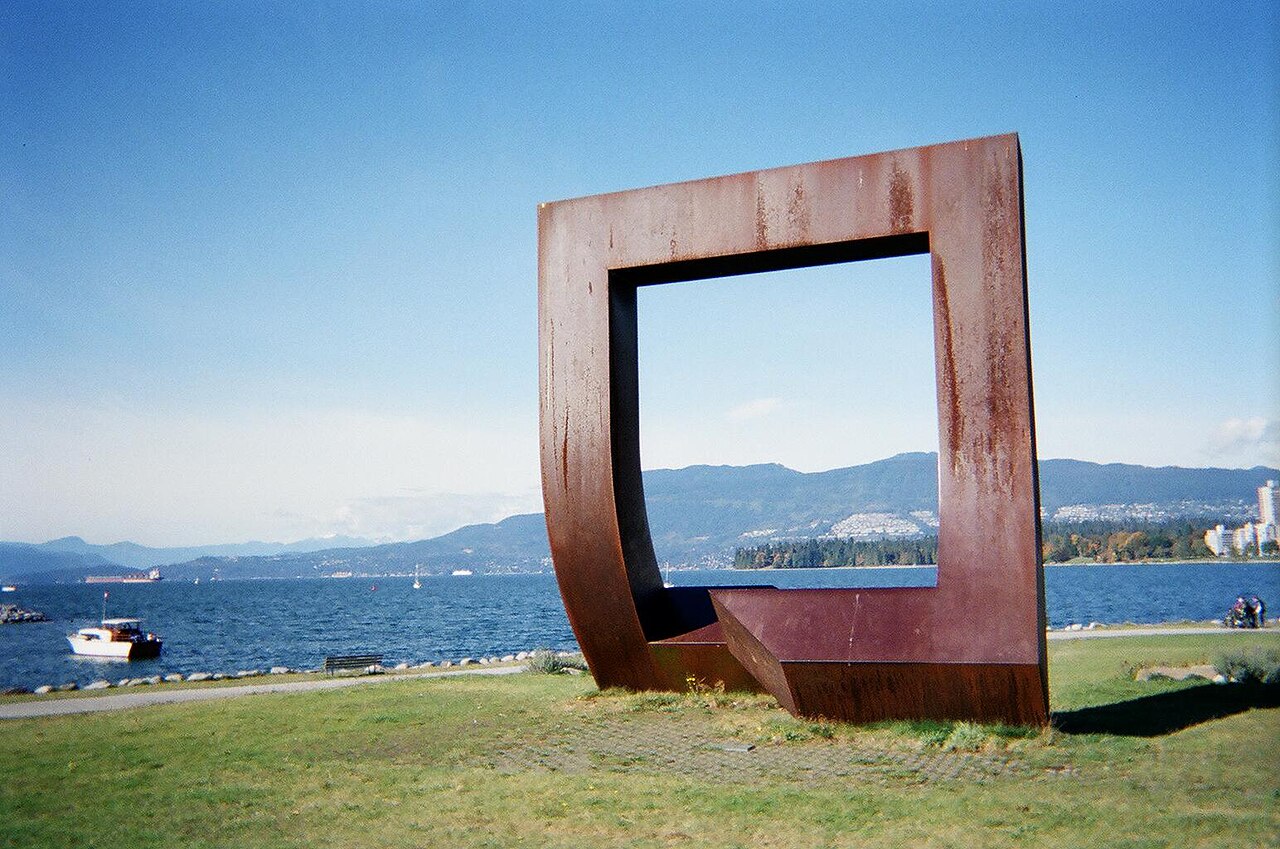


Early life and naval training
Born in England, Vancouver entered sea service as a young man and gained experience on long voyages that taught him hydrography, surveying and navigation. He served under Captain James Cook on Cook’s final expedition, an apprenticeship that influenced his disciplined approach to chart-making. Over his career in the Royal Navy he became noted for careful seamanship and rigorous field notes.
The Vancouver expedition (1791–1795)
Vancouver led a small squadron tasked with producing accurate charts of the northeastern Pacific coastline and resolving gaps left by earlier voyages. Over several seasons his officers made detailed surveys of harbours, channels and island groups, correcting earlier errors and filling in many blank stretches on European charts. The work provided practical navigation guidance for later ships and colonists.
- Sections of the coastline of Alaska.
- Extensive inshore and island charts in British Columbia.
- Detailed work along the coasts of Washington and Oregon.
Contacts and scientific observations
Vancouver’s journals include descriptions of encounters with Indigenous communities of the Pacific Northwest and accounts of visits to Hawaiian chiefs. He established notably cordial relations with some Hawaiian leaders, including Kamehameha I, and recorded natural-history and hydrographic observations that proved useful to future navigators and naturalists. His logs combine practical sailing instructions with ethnographic and environmental notes.
Legacy and commemoration
The accuracy and scope of Vancouver’s surveys made them a lasting resource for mariners. Several places were later named in his honour: the city of Vancouver, BC, the city of Vancouver, WA, and Vancouver Island. He died in 1798, but his charts and journals—published after his death—continued to influence Pacific navigation, settlement and mapping for decades.
Notable distinctions
Vancouver is remembered for the precision of his surveys and the scientific care of his expedition records. Historians and mariners have praised the charts he produced, while accounts also note his strict discipline as commander. Together, his practical achievements and the geographic names that commemorate him ensure a lasting place in the history of Pacific exploration.
Questions and answers
Q: Who was George Vancouver?
A: George Vancouver was a British officer of the Royal Navy and an explorer.
Q: What is George Vancouver best known for?
A: George Vancouver is best known for his expedition between 1791 and 1795, during which he explored and mapped the northwest of North America, including the coasts of what are now Alaska, British Columbia, Washington, and Oregon.
Q: Where did George Vancouver also explore during his expedition?
A: George Vancouver also explored the Hawaiian Islands and the southwest coast of Australia during his expedition.
Q: What is notable about the cities of Vancouver, BC and Vancouver, WA, as well as Vancouver Island?
A: The cities of Vancouver, BC and Vancouver, WA, as well as Vancouver Island, are all named after George Vancouver.
Q: When was George Vancouver born and when did he die?
A: George Vancouver was born on June 22, 1757, and he died on May 10, 1798.
Q: What was George Vancouver's rank in the Royal Navy?
A: George Vancouver was a captain in the Royal Navy.
Q: How long did George Vancouver's expedition last?
A: George Vancouver's expedition lasted between 1791 and 1795.
Related articles
Author
AlegsaOnline.com George Vancouver Leandro Alegsa
URL: https://en.alegsaonline.com/art/38301