
Abdülaziz: Ottoman Sultan (1830–1876) — reign, reforms, and legacy
Abdülaziz (1830–1876) was the 32nd Ottoman Sultan and a recognized caliphal figure. His 1861–1876 reign combined modernization and European engagement with mounting debt, political unrest, deposition and a contested death.
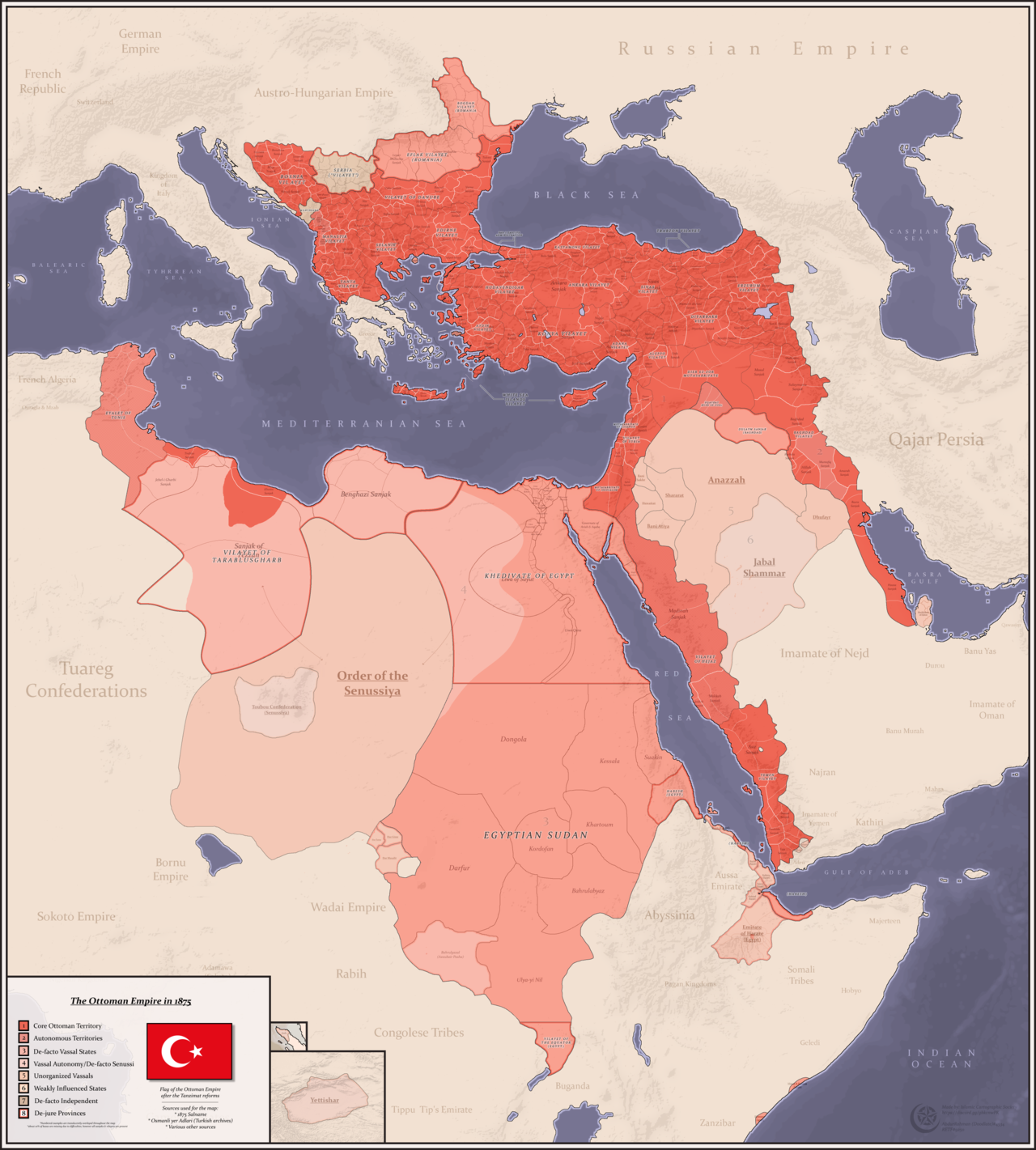
Abdülaziz (February 1830 – 4 June 1876) was the 32nd sovereign of the Ottoman Empire and is counted among the succession of Caliphs in Ottoman-Islamic tradition; his rule is situated within the broader history of Islam and late imperial reform. A son of Sultan Mahmud II, he succeeded his brother Abdülmecid I in 1861 and reigned until his deposition in May 1876. His years on the throne are widely seen as part of the Tanzimat era’s long nineteenth-century processes of modernization, centralization and increasing contact with Europe.
Image gallery
10 Images




Overview and character
Contemporaries described Abdülaziz as a ruler with a cultured interest in European art, ceremony and court life who nevertheless upheld the ceremonial and religious duties of the sultanate. He took an unusually active public role, adopting some European court customs while maintaining Ottoman ceremonial traditions. His personality and tastes shaped visible aspects of the court and helped define a more outward-looking imperial image.
Reforms, institutions and projects
Official policy under Abdülaziz emphasized modernization and imperial prestige. Major efforts included:
- Military and naval expansion: a sustained program to enlarge and modernize the fleet and army institutions, intended to strengthen the empire’s maritime presence and deter external threats.
- Civil administration and education: support for new schools, administrative reorganization along western lines in some departments, and adoption of new uniforms and protocols for officials.
- Infrastructure and culture: investment in communications, ports and public buildings alongside patronage of the arts and collections that reflected European influence.
Foreign relations and diplomacy
Abdülaziz engaged actively with European powers, undertaking state visits in the 1860s and cultivating diplomatic ties to secure loans, arms and technical assistance. This diplomacy aimed to protect Ottoman territorial integrity and attract expertise, but it also deepened financial dependence on foreign credit.
Economic pressures and political opposition
Large-scale purchases and public works were increasingly financed by foreign borrowing. Mounting public debt, fiscal strain and economic difficulties contributed to criticism from reformers, provincial notables and sections of the bureaucracy. Nationalist unrest in Balkan provinces and broader social tensions intensified political instability within the empire.
Deposition, death and legacy
Abdülaziz was deposed on 30 May 1876 and succeeded briefly by Murad V before Abdülhamid II assumed the throne. He was found dead six days after his removal; official reports cited suicide, but contemporaries and later scholars have questioned the circumstances and debated the possibility of foul play. Historians typically view his reign as transitional: energetic in promoting western-style reforms and international engagement, yet ultimately constrained by fiscal limits and rising political fragmentation. His rule illustrates both the ambitions and the limits of top-down modernization in a multinational empire facing internal challenges and external pressures.
For further study, consult specialized histories of the late Ottoman state, biographies of the period’s sultans and archival accounts of diplomatic, naval and financial policies to better understand Abdülaziz’s plans and the contested end of his reign.
Questions and answers
Q: Who was Abdülaziz?
A: Abdülaziz was the 32nd Sultan of the Ottoman Empire and the 111st Caliph of Islam.
Q: When did Abdülaziz reign as sultan?
A: Abdülaziz reigned between 25 June 1861 and 30 May 1876.
Q: Who was Abdülaziz's father?
A: Abdülaziz's father was Sultan Mahmud II.
Q: How did Abdülaziz become sultan?
A: Abdülaziz became sultan after the death of his brother Abdülmecid I.
Q: Why was Abdülaziz deposed?
A: Abdülaziz was deposed in 1876 because he had become unpopular.
Q: How long did Abdülaziz reign as sultan?
A: Abdülaziz reigned as sultan for 15 years, from 1861 to 1876.
Q: What happened to Abdülaziz after he was deposed?
A: Abdülaziz was found dead six days after being deposed.
Related articles
Author
AlegsaOnline.com Abdülaziz: Ottoman Sultan (1830–1876) — reign, reforms, and legacy Leandro Alegsa
URL: https://en.alegsaonline.com/art/380