
Genetically Modified Organism (GMO)
Overview of genetically modified organisms: definition, methods, history, applications in agriculture and medicine, regulatory and safety considerations.
Overview
A genetically modified organism (GMO) is an organism whose hereditary material has been altered through human-directed molecular techniques rather than by traditional breeding. In practice this means inserting, deleting or modifying DNA sequences to change traits. Sources of modification range from single base edits to introduction of genes from other species. For a concise definition and related terms, see introductory resources.
Image gallery
10 Images


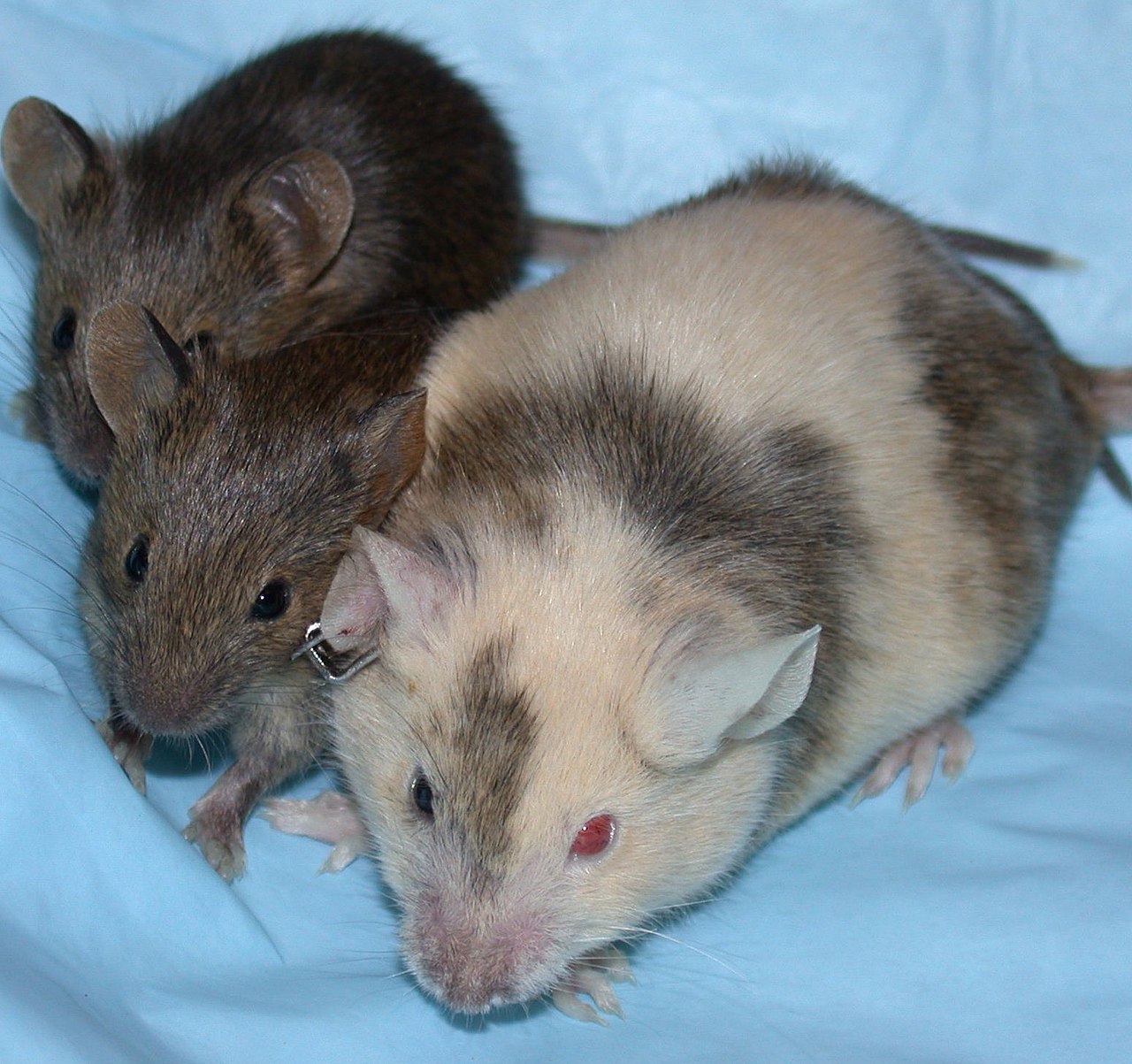
Techniques and characteristics
Modern genetic modification uses a variety of laboratory methods. Classical approaches include recombinant DNA methods that create transgenic organisms by moving genes between species. Newer approaches such as targeted gene editing (for example using CRISPR-associated systems) can make precise changes to an organism's own genome. These methods act on an organism's genetic material and can alter traits such as resistance to pests, tolerance to environmental stress, production of pharmaceuticals, or metabolic pathways used in industry. The scale and permanence of change vary by technique.
History and development
The scientific foundation for GMOs grew from molecular biology advances in the mid-20th century. Recombinant DNA techniques were developed and refined by researchers in the 1970s and 1980s, enabling genes to be moved and expressed in new hosts. Since then, laboratory tools, regulatory frameworks and commercial applications have expanded globally. Research continues to improve precision, reduce unintended effects, and broaden possible uses.
Uses and examples
- Agriculture: crops engineered for pest resistance, herbicide tolerance, improved nutrient profiles and longer shelf life; many edible products come from such crops and are discussed under genetically modified foods.
- Medicine: production of insulin, vaccines, and gene therapies that treat or prevent disease.
- Research and industry: model organisms, microbial factories for chemicals, and environmental applications such as bioremediation.
Regulation, safety and notable distinctions
GMO oversight varies by country and typically addresses environmental release, food safety and labeling. Scientific assessments focus on specific traits and uses rather than the presence of modification per se. Public discussion includes potential benefits—such as increased crop yields or medical advances—and concerns about ecological risks, socioeconomic effects, and ethical considerations. Distinctions often made in policy and public debate include transgenic organisms (containing genes from other species) versus cisgenic or edited organisms (modified within a species), and the difference between laboratory research uses and organisms released into the environment.
For technical background and further reading on techniques and governance, consult specialist sources and regulatory summaries such as those indicated by authoritative links and reviews.
Questions and answers
Q: What is a genetically modified organism (GMO)?
A: A genetically modified organism (GMO) is an organism that has had its genetic material altered using genetic engineering techniques.
Q: Which organisms can be genetically modified?
A: Organisms that can be genetically modified include micro-organisms such as bacteria and yeast, insects, plants, fish, and mammals.
Q: What are genetically modified foods?
A: Genetically modified foods are foods that come from GMOs that have undergone genetic engineering techniques to produce characteristics such as resistance to pests, herbicides, or drought.
Q: Are genetically modified organisms only used for food?
A: No, GMOs are also widely used in scientific research and to produce goods other than food.
Q: How are genetic engineering techniques used to alter genetic material?
A: Genetic engineering techniques can include introducing foreign DNA into an organism's genome, changing or deleting existing genes, or altering gene expression.
Q: Why are genetically modified organisms used in scientific research?
A: Genetically modified organisms are used in scientific research to understand gene function and to develop new drugs or treatments for diseases.
Q: Are there any potential risks associated with consuming genetically modified foods?
A: There is debate among scientists about the potential risks associated with consuming GMOs, with some studies suggesting that they may have harmful effects on human health or the environment. However, there is not yet enough evidence to provide a definitive answer.
Related articles
Author
AlegsaOnline.com Genetically Modified Organism (GMO) Leandro Alegsa
URL: https://en.alegsaonline.com/art/37999
Sources
- sciencenews.org : "'GMOs' isn't a four-letter word, but it is hard to define"
- ncbi.nlm.nih.gov : ncbi.nlm.nih.gov/pmc/articles/PMC427208/?page=1
- ncbi.nlm.nih.gov : "A new method for sequencing DNA"
- ui.adsabs.harvard.edu : 1977PNAS...74..560M
- doi.org : 10.1073/pnas.74.2.560
- pubmed.ncbi.nlm.nih.gov : 265521
- nobelprize.org : Determination of nucleotide sequences in DNA
- books.google.com : Handbook of comparative genomics: principles and methodology
- isb.vt.edu : "Permit Number 91-079-01 tomato; antifreeze gene; staphylococcal Protein A"
- books.google.com : "Pandora's Picnic Basket : The Potential and Hazards of Genetically Modified Foods: The Potential and Hazards of Genetically Modified Foods"
- wsj.com : "Gene-Altered Fish Closer to Approval"
- telegraph.co.uk : "World's first blue roses after 20 years of research"
- basf.com : basf.com
- nytimes.com : "A genetically modified potato, not for eating, is stirring some opposition in Europe"