
Gene knockout: methods, applications, and distinctions
An overview of gene knockout — deliberate inactivation of genes — covering methods (including CRISPR), types (constitutive, conditional), uses in research and medicine, and key distinctions like knockdown and knock-in.
A gene knockout is an experimental genetic approach in which a specific gene is deliberately inactivated so that it no longer produces a functional product. Researchers use knockouts to determine a gene's role by comparing organisms lacking the gene to normal controls. The term is commonly abbreviated as KO. The basic idea—disabling a gene to reveal its function—has become a central tool in functional genomics and biomedical research. For a simple definition and technical framing see genetic technique.
Image gallery
4 Images

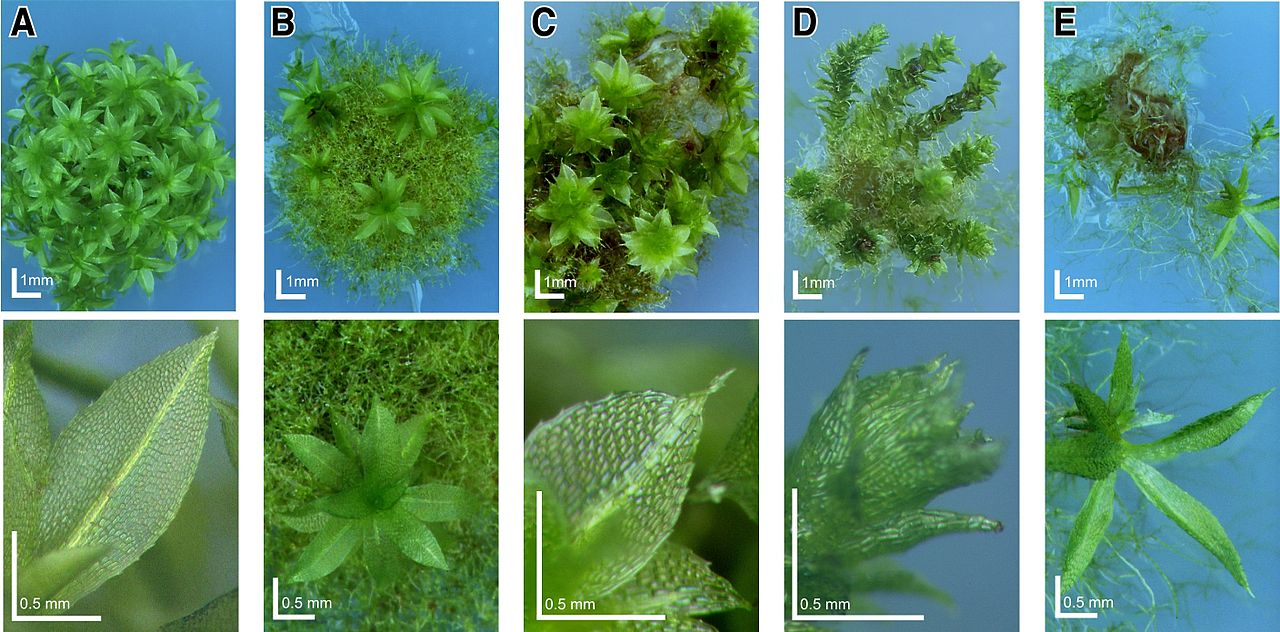

How knockouts are created
Historically, targeted gene disruption in mammalian systems relied on homologous recombination in embryonic stem cells, which allowed permanent replacement or deletion of a gene. More recent methods use programmable nucleases such as CRISPR–Cas systems to introduce breaks in DNA that are repaired imperfectly, often producing frameshifts that abolish protein function. Other approaches include gene-trap insertion, large deletions, and selective replacement by nonfunctional alleles. For organism-level work, many model species are used; the choice depends on life cycle, genetics, and experimental goals (model organism).
Types and experimental designs
Not all knockouts are the same. A constitutive knockout eliminates function in every cell from development onward. In contrast, a conditional or tissue-specific knockout restricts inactivation to particular tissues or developmental stages using systems such as Cre–loxP or inducible promoters. Conditional designs minimize lethal developmental effects and help isolate cell-type-specific roles. Inducible knockouts permit time-controlled gene inactivation to study age-dependent effects. Technical variations and controls are crucial because compensatory changes or unintended mutations can complicate interpretation. For basic concepts and caveats see gene concept.
Common applications
- Functional annotation: identifying what a gene does by observing phenotypic changes.
- Disease modeling: recapitulating aspects of human disorders in animals to study pathogenesis and test therapies.
- Drug discovery and target validation: determining whether loss of a gene product affects disease-relevant pathways.
- Basic biology: revealing roles in development, metabolism, immunity, and behavior.
Classic examples include knockout mice engineered to lack a single gene to study physiology and disease; such models remain a cornerstone of mammalian genetics and preclinical research (knockout mice).
Distinctions and important considerations
Gene knockout differs from related strategies. A knockdown reduces gene expression (for example with RNA interference) but usually leaves residual activity; it is often transient. A knock-in inserts or activates a gene, or replaces an allele with a modified version, and is conceptually the opposite of a knockout. Off-target effects, mosaicism, and compensatory biological responses can all cloud conclusions, so replication and multiple independent alleles are standard practice. Ethical and welfare concerns arise when producing animals with severe phenotypes, and regulatory frameworks guide such work. For further background on functional interpretation see gene function.
In summary, gene knockouts are powerful experimental tools that transform our understanding of gene function across many organisms. Their design—choice of method, timing, and tissue specificity—and careful interpretation of results determine how reliably a knockout illuminates biology or informs therapeutic strategies.
Questions and answers
Q: What is a gene knockout?
A: A gene knockout is a genetic technique in which one of an organism's genes is switched off or replaced by one which does not work.
Q: Why are knockout mice used?
A: Knockout mice are used to learn about a gene that has been sequenced, but whose function is unknown or incompletely known.
Q: What can researchers infer from the difference between knockout organisms and normal individuals?
A: Researchers can draw inferences from the difference between the knockout organism and normal individuals.
Q: What is the abbreviation for knockout?
A: The abbreviation for knockout is KO.
Q: What is gene knock-in?
A: Gene knock-in is the opposite of gene knockout, where a gene is switched on or a working gene is inserted.
Q: How does gene knock-in differ from gene knockout?
A: Gene knock-in is the opposite of gene knockout; while gene knockout switches off or replaces a gene that does not work, gene knock-in inserts a working gene.
Q: What is the purpose of using knockout or knock-in techniques?
A: The purpose of using knockout or knock-in techniques is to learn more about the function of genes that have been sequenced but not fully understood.
Related articles
Author
AlegsaOnline.com Gene knockout: methods, applications, and distinctions Leandro Alegsa
URL: https://en.alegsaonline.com/art/37913