
Gemini (astrology): The Twins — mutable Air sign ruled by Mercury
Gemini is the third sign of the Western zodiac, symbolized by the Twins. Associated with Mercury and the element Air, it spans late May to late June in common tropical practice.
Overview
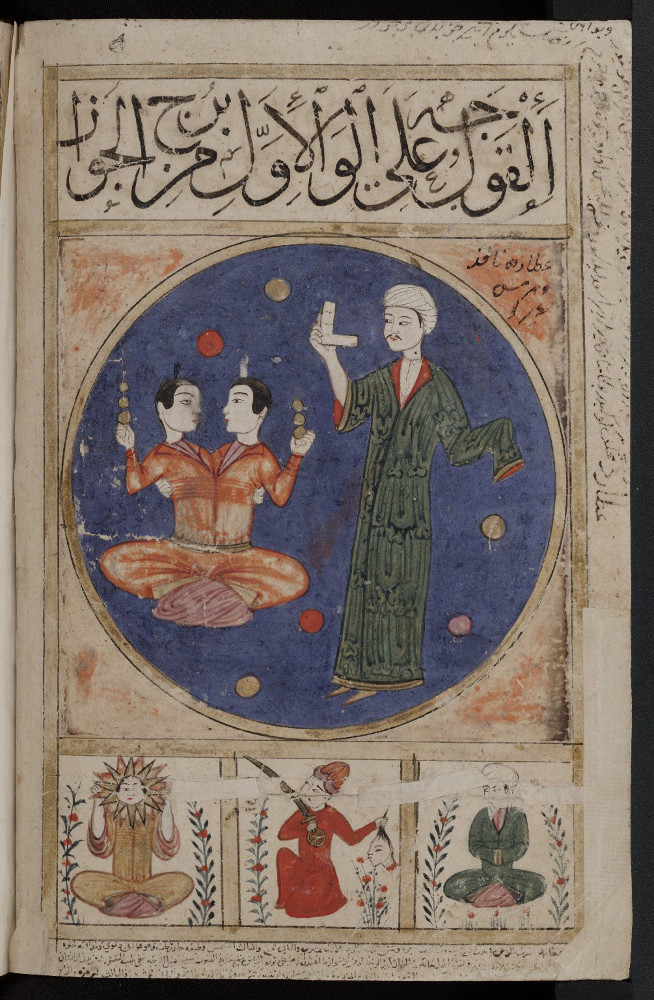
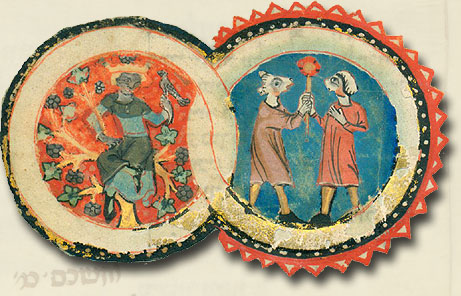
Gemini is an astrological Zodiac sign traditionally represented by the Twins. In tropical astrology it is commonly dated from about late May through late June; sidereal systems place Gemini later, roughly from mid-June to mid-July. Its symbol is the paired twins, usually shown as Roman numeral II, and it is associated with the element of Air and the planet Mercury.
Image gallery
9 Images




Characteristics
Astrological descriptions commonly portray Gemini as curious, communicative, adaptable and mentally active. The sign is classed as mutable, implying flexibility and changeability. Popular trait lists highlight sociability, a quick intellect, a tendency to juggle interests, and a perceived dual or multifaceted nature.
- Element: Air — emphasis on ideas and exchange.
- Modality: Mutable — adaptable and versatile.
- Ruler: Mercury — linked to communication and thought.
History and origins
The symbol and myths behind Gemini trace back to ancient Mediterranean star lore and classical mythology, notably the twin brothers Castor and Pollux in Greek and Roman tradition. Over centuries the constellation and its symbolic twins were incorporated into Hellenistic and later Western astrological systems. The distinction between the astronomical constellation and the astrological sign arises because of precession and different zodiac frameworks.
Uses and cultural importance
Gemini appears widely in horoscope columns, personality summaries, and cultural references. It serves as a shorthand in popular astrology for a communicative or changeable temperament. Astrologers interpret the sign in natal charts, where the Sun in Gemini is only one factor among many in evaluating a chart.
Notable distinctions and facts
Important distinctions include the difference between tropical and sidereal date ranges, the contrast between the astronomical constellation and the symbolic astrological sign, and the role of Gemini as opposite to Sagittarius on the zodiac wheel. For more on its astronomical origin see the constellation entry: constellation, and for general context about the system consult a primer on the astrological framework or an overview of the Zodiac.


Questions and answers
Q: What does Gemini represent in astrology?
A: Gemini represents the constellation Gemini in astrology.
Q: When is Gemini season according to the tropical zodiac?
A: According to the tropical zodiac, Gemini season is from May 20 to June 20.
Q: When is Gemini season according to the sidereal zodiac?
A: According to the sidereal zodiac, Gemini season is now from June 15 to July 15.
Q: What is the opposite sign to Gemini?
A: The opposite sign to Gemini is Sagittarius.
Q: How many astrological signs are there in the Zodiac?
A: There are 12 astrological signs in the Zodiac.
Q: What does the tropical zodiac measure?
A: The tropical zodiac measures the position of the sun in relation to the Earth's seasons.
Q: What does the sidereal zodiac measure?
A: The sidereal zodiac measures the position of the sun in relation to the fixed stars.
Related articles
Author
AlegsaOnline.com Gemini (astrology): The Twins — mutable Air sign ruled by Mercury Leandro Alegsa
URL: https://en.alegsaonline.com/art/37876
Sources
- commons.wikimedia.org : Gemini (astrology)