
Gehenna (Valley of the Son of Hinnom)
Gehenna, originally the Valley of the Son of Hinnom near Jerusalem, is both a physical valley and a long-standing religious symbol associated with sacrifice, purification, and the idea of hell.
Overview
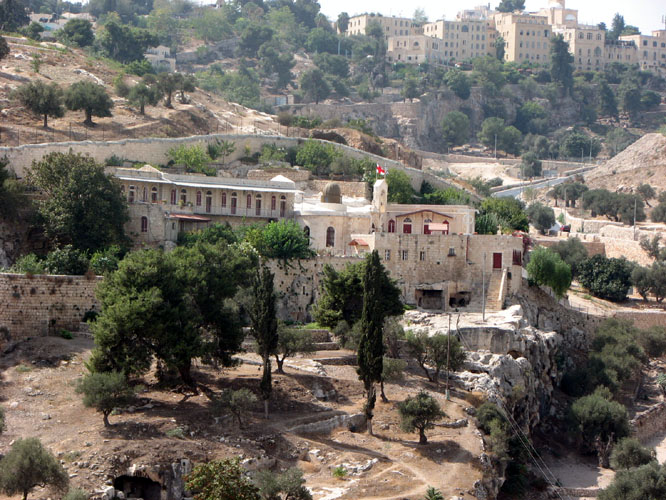
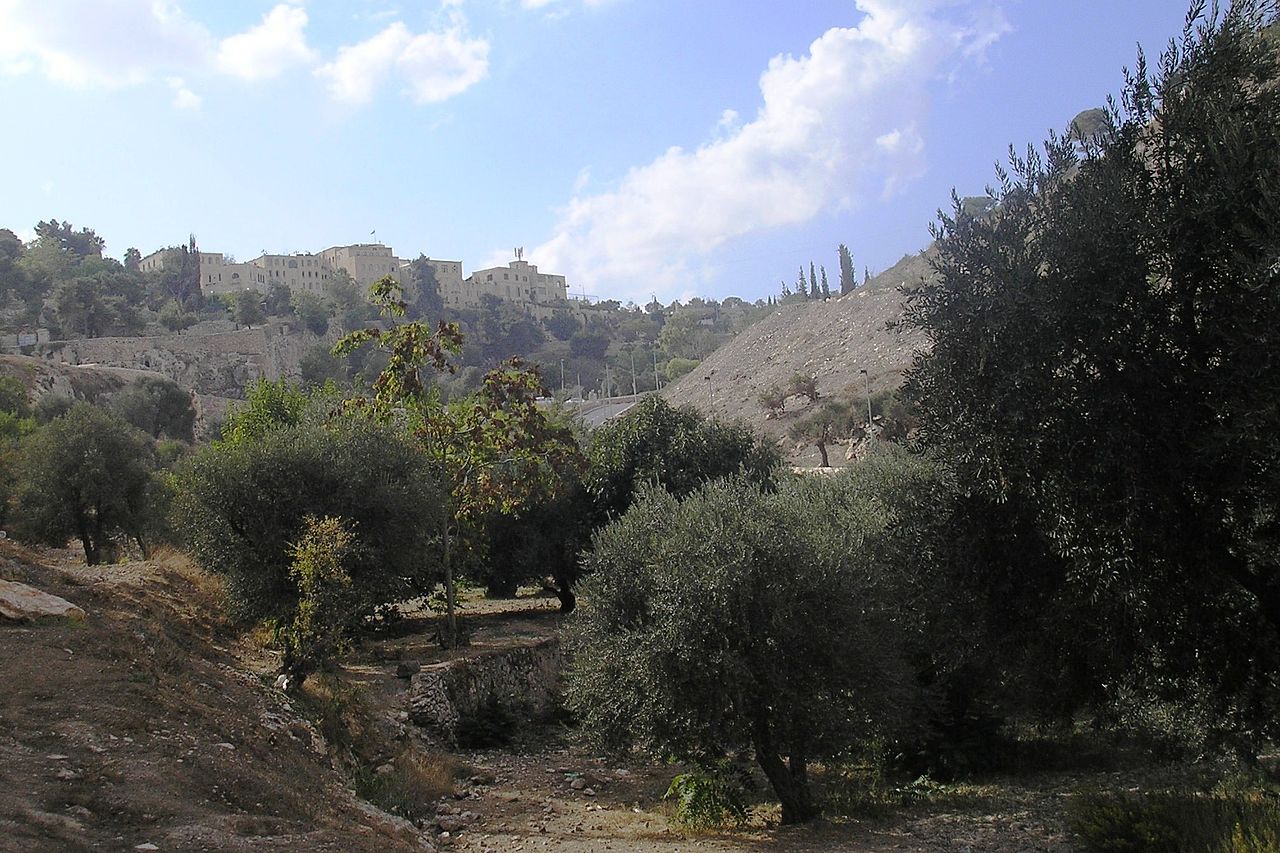
Gehenna is the name by which a particular valley near Jerusalem became widely known in later religious literature. The term derives from the Hebrew phrase Valley of the Son of Hinnom; the ravine itself is part of the land around the Old City and is often identified with the area referred to in older sources as the Valley of Hinnom near Jerusalem. It connects with the adjoining Kidron valley toward the southeast and runs close to historic neighbourhoods and features such as Mount Zion.
Image gallery
10 Images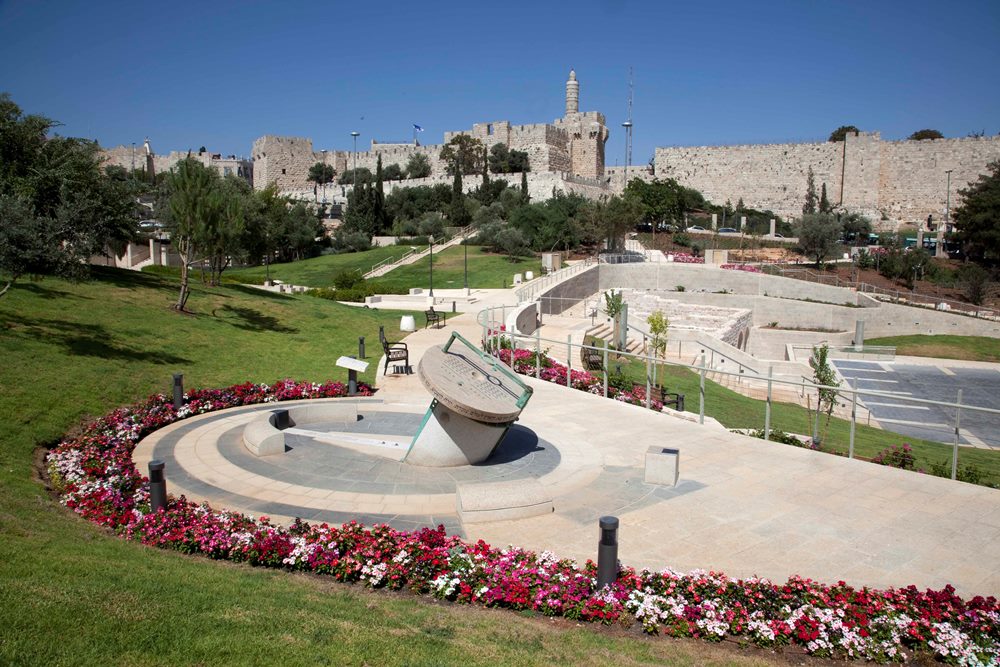




Geography and physical characteristics
The valley is a narrow, steep-sided gorge shaped by seasonal streams and ancient drainage. An ancient watercourse known in some accounts as Gai Ben-Hinnom flows through parts of the ravine. Over time the lower slopes and cisterns preserved archaeological traces of settlement, tombs and occasional ritual activity. Topography and easy access from the city made the site prominent in both practical and symbolic terms.
Historical background
In the Hebrew Bible the valley appears under its older name and is associated with episodes condemned by the prophetic literature, including cultic practices that later writers treated as abhorrent. From classical antiquity onwards the place was remembered for those associations; in subsequent centuries it also served mundane functions such as refuse disposal, a practice that contributed to its reputation as a place of burning refuse.
Religious meanings and development
The word "Gehenna" came to be used metaphorically in Jewish writings and in the New Testament to denote a place of divine punishment or purification after death. Rabbinic sources sometimes present Gehenna as a temporary purgatorial process for most souls, while certain Christian texts use the term to refer to eternal punishment. The concept was taken up in other religious languages and traditions, where the name sometimes evolved into different forms but retained an association with final judgment.
Archaeology, modern use and cultural impact
Archaeologists working in the area have uncovered remains that illuminate aspects of ancient life, burial customs and later urban expansion. Today the valley and its slopes are part of Jerusalem's complex urban landscape and attract interest from scholars, pilgrims and tourists who study both the topography and the many layers of historical memory attached to the site. The term Gehenna continues to appear in literature, sermons and scholarly discussion as a powerful cultural symbol.
Distinctions and notable facts
- Gehenna is a specific geographic ravine that acquired broader theological meanings over time.
- Its reputation as a place of burning was shaped by historical practices and later metaphorical uses.
- Interpretations vary: different religious traditions and authors treat Gehenna as symbolic, purgatorial, or eternal.
- The valley is mentioned in ancient scripture and has been the subject of archaeological and historical study; for primary religious texts see the Hebrew Bible.
Readers seeking further detail on topography, textual mentions and archaeological reports can consult specialised sources and site reports that explore the valley's layered history and its continuing significance in religious thought and cultural memory.
Questions and answers
Q: What is Gehenna?
A: Gehenna is a valley around Jerusalem, also known as the Valley of the Son of Hinnom.
Q: What is the modern name for the valley surrounding the Old City of Jerusalem?
A: The Valley of Hinnom is the modern name for the valley surrounding the Old City of Jerusalem, including Mount Zion.
Q: Where does the Valley of Hinnom meet the Kidron Valley?
A: The Valley of Hinnom meets the Kidron Valley near the southeastern corner of the city.
Q: What is the ancient river that passes through the valley?
A: The ancient river that passes through the valley is Gai Ben-Hinnom.
Q: Where does the valley end?
A: The valley ends near Mamilla neighbourhood in the west.
Q: What is the significance of Gehenna in the Hebrew Bible?
A: In the Hebrew Bible, Gehenna or the Valley of the Son of Hinnom is frequently referenced as a place of judgment and punishment.
Q: What is Mount Zion?
A: Mount Zion is a hill in Jerusalem located just outside the walls of the Old City. It is a significant religious site for Jews, Christians, and Muslims.
Related articles
Author
AlegsaOnline.com Gehenna (Valley of the Son of Hinnom) Leandro Alegsa
URL: https://en.alegsaonline.com/art/37842