
Gatineau, Quebec — overview, history and significance
Gatineau is a major city in western Quebec on the Ottawa River across from Ottawa. This article covers its geography, history, government, culture, economy and relationship with the National Capital Region.
Overview
Gatineau is a city in western Quebec, Canada, situated on the northern bank of the Ottawa River immediately opposite the city of Ottawa. It forms part of Canada’s National Capital Region and, together with Ottawa, is treated as a single Census Metropolitan Area. The municipality includes several formerly independent towns and is a bilingual city with a francophone majority and a substantial anglophone minority.
Image gallery
10 Images






Geography and administrative structure
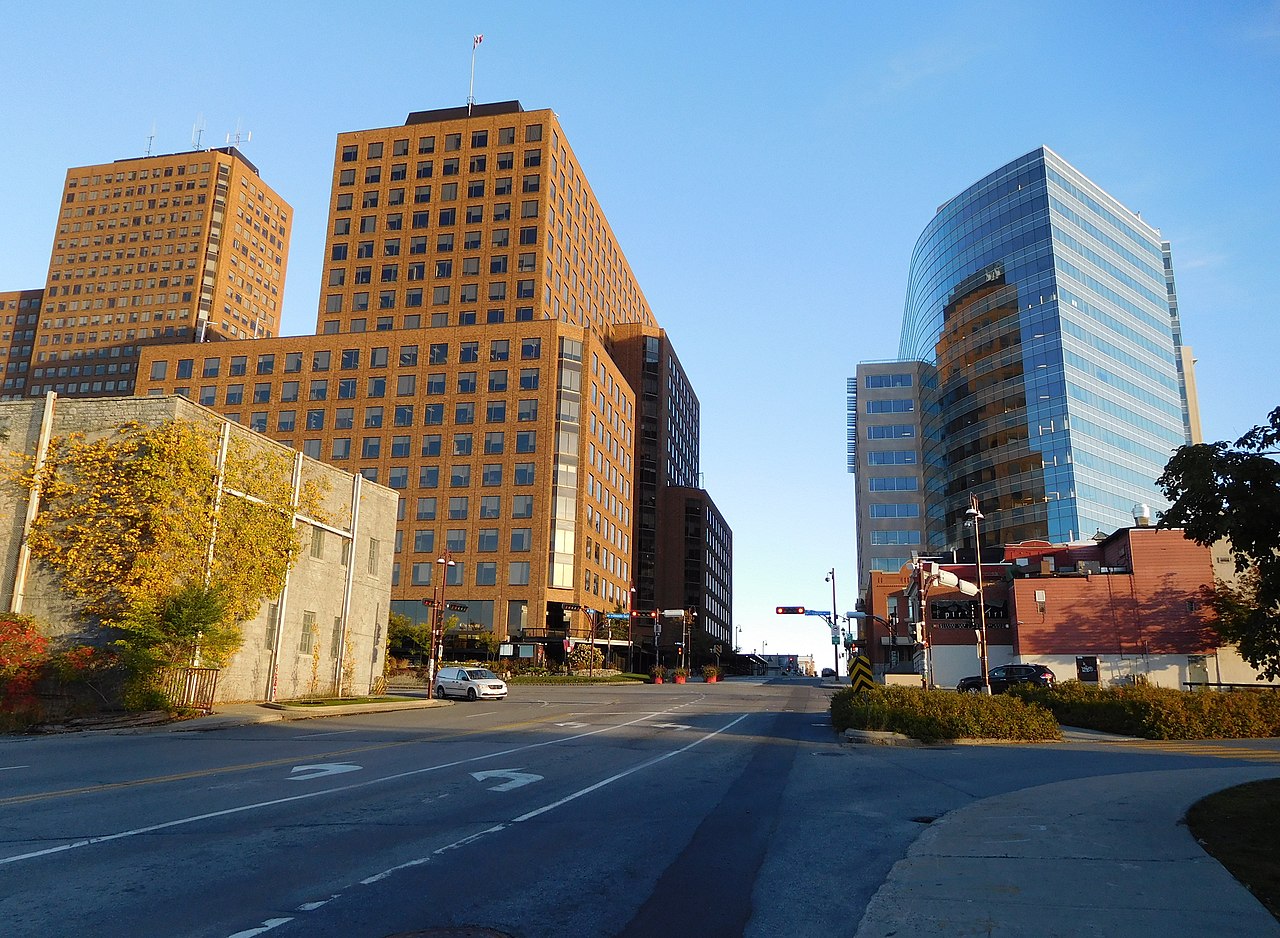
The modern city stretches along the Ottawa River and inland toward the Gatineau Hills. It is divided into sectors that correspond to former municipalities, and those sectors retain distinctive local identities. Major communities within the city include Hull, Gatineau (the neighbourhood), Aylmer, Buckingham and Masson-Angers. Local government is headed by a mayor and a city council responsible for urban planning, public transit and municipal services.
History and development
Settlement in the area began in the 19th century, driven by lumbering and river transport. Over time, the neighbouring towns grew independently until a municipal reorganization combined them to create today’s city. Proximity to the federal government in Ottawa shaped Gatineau’s growth: many residents commute to jobs in the capital while the city developed its own industries and services.
Economy, culture and public life
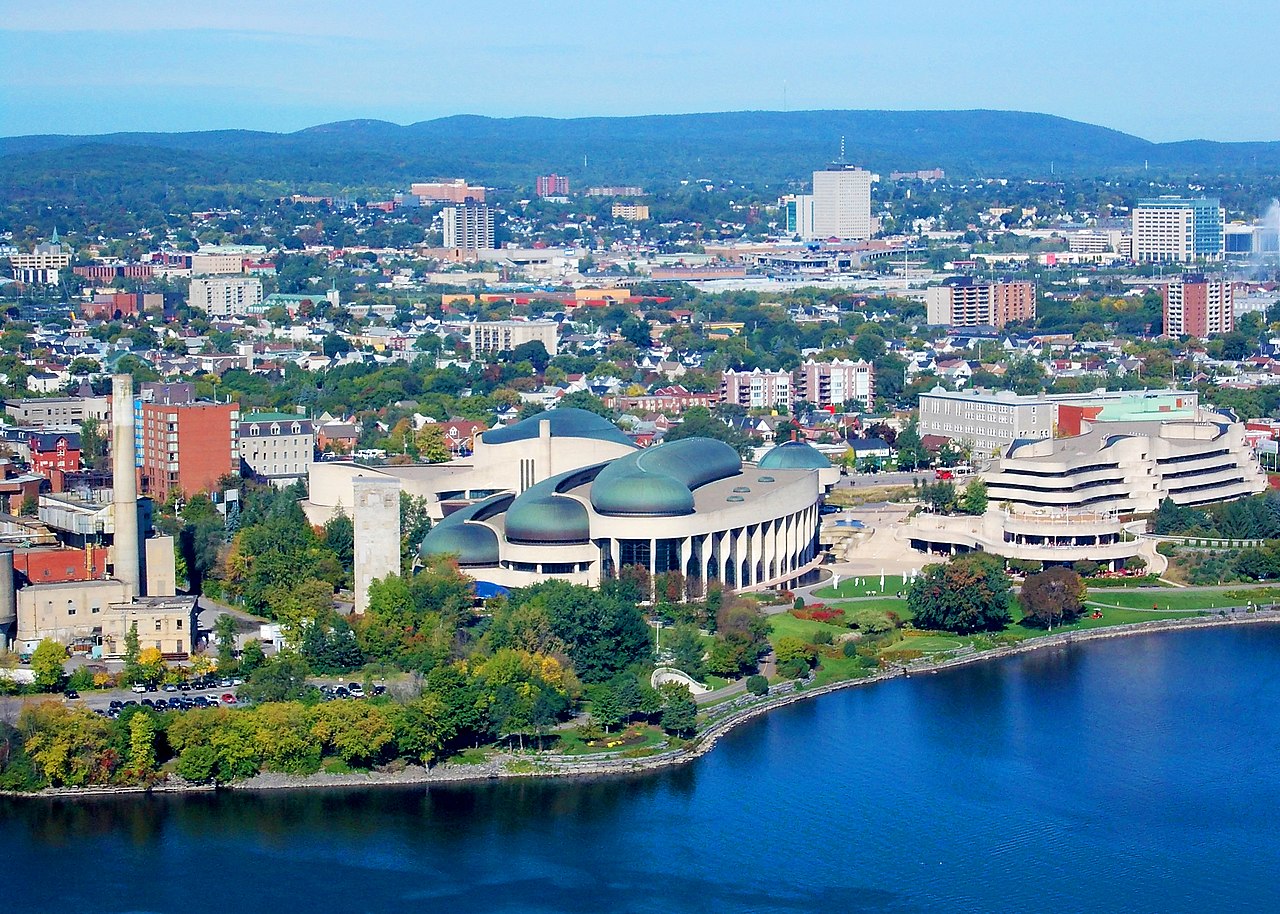
Gatineau’s economy blends public administration, retail, construction, and tourism. Cultural institutions and green spaces—most notably Gatineau Park and museums located along the riverfront—attract visitors and support local arts. The Canadian Museum of History and other cultural venues sit on the river’s north shore and contribute to cross-river civic life.
Transport and notable facts
- Several bridges connect Gatineau to Ottawa, supporting heavy commuter and commercial traffic.
- The city is part of a bilingual metropolitan area with shared services and economic ties to the national capital.
- Visitors often use Gatineau as a gateway to outdoor recreation in the nearby Gatineau Hills.
Gatineau’s role in the National Capital Region, its mixed urban and natural landscape, and its history of municipal consolidation make it a distinctive component of the Quebec side of Canada’s capital area. For broader regional context see Canada.
Questions and answers
Q: What is Gatineau?
A: Gatineau is a city in western Quebec, Canada.
Q: What was Gatineau's population as of the 2006 census?
A: As of the 2006 census, Gatineau's population was 242,124.
Q: Where is Gatineau located?
A: Gatineau is located on the northern bank of the Ottawa River, immediately across from Ottawa, Ontario, within Canada's National Capital Region.
Q: What is the relationship between Ottawa and Gatineau?
A: Ottawa and Gatineau comprise a single Census Metropolitan Area.
Q: Is Gatineau a part of Canada's National Capital Region?
A: Yes, Gatineau is within Canada's National Capital Region.
Q: Is Gatineau located on the south bank of the Ottawa River?
A: No, Gatineau is located on the northern bank of the Ottawa River.
Q: How close is Gatineau to Ottawa?
A: Gatineau is immediately across from Ottawa, Ontario.
Related articles
Author
AlegsaOnline.com Gatineau, Quebec — overview, history and significance Leandro Alegsa
URL: https://en.alegsaonline.com/art/37724