
Gastropoda: snails, slugs and related gastropod molluscs
Gastropoda is the largest class of molluscs, including snails, slugs and many marine species. This article summarizes their form, development, diversity, fossil history, ecology and human relevance.
Overview
Gastropoda is the most speciose class of molluscs and includes a broad array of forms found in sea, freshwater and on land. Today there are an estimated 60,000–75,000 described species, most of them marine, and the group has a fossil record extending to the later Cambrian. The name literally means "stomach-foot" and reflects the dominant locomotor organ of the group.
Image gallery
10 Images





Common examples
- Slugs — shell-reduced or shell-less land and sea forms.
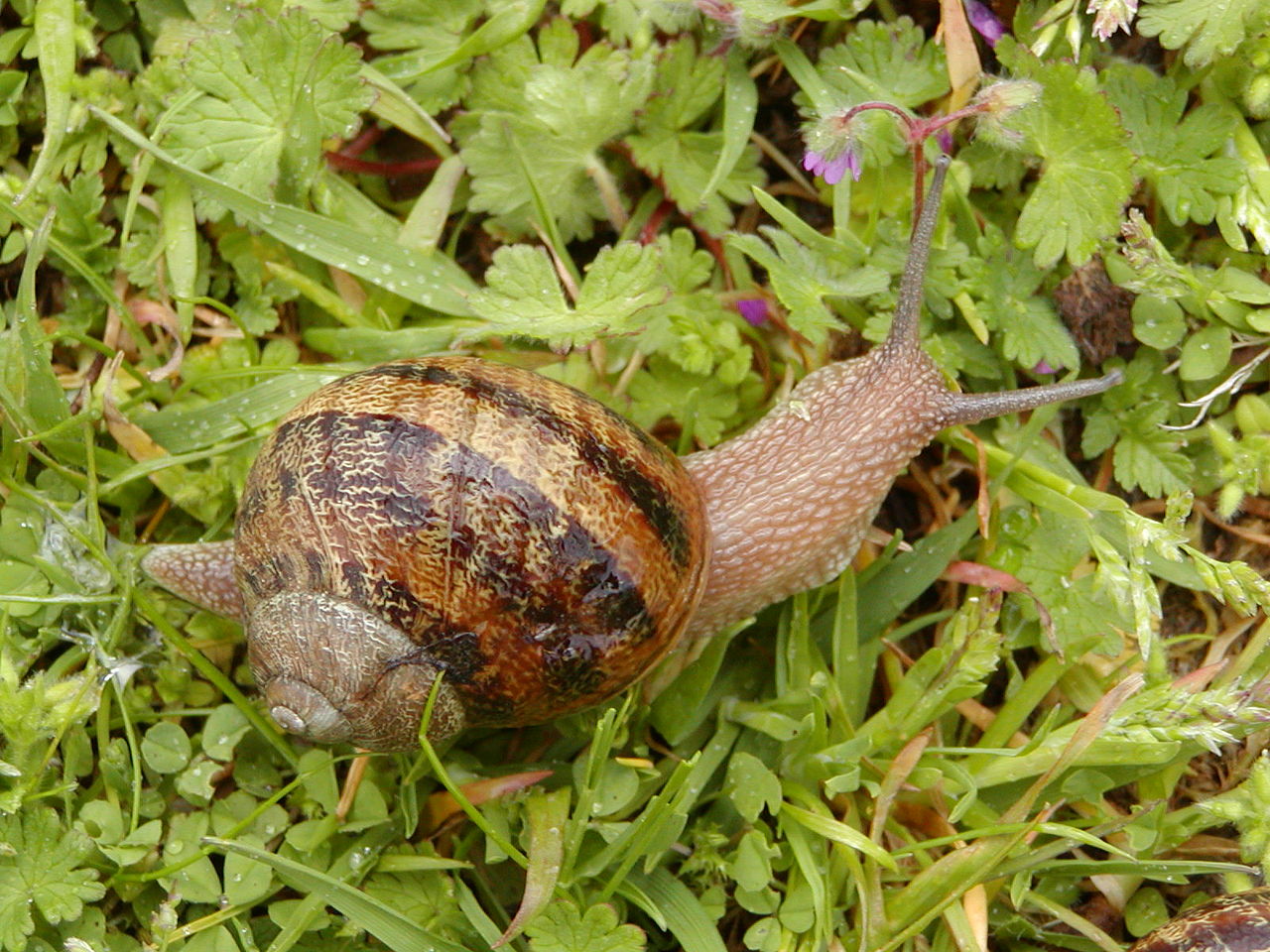
- Snails — coiled or conical shells, terrestrial and aquatic.
- Abalones — ear-shaped marine shells prized for meat and nacre.
- Limpets — simple cap-shaped shells that cling to rocks.
- Cowries — glossy, rounded shells long used as ornaments and currency.
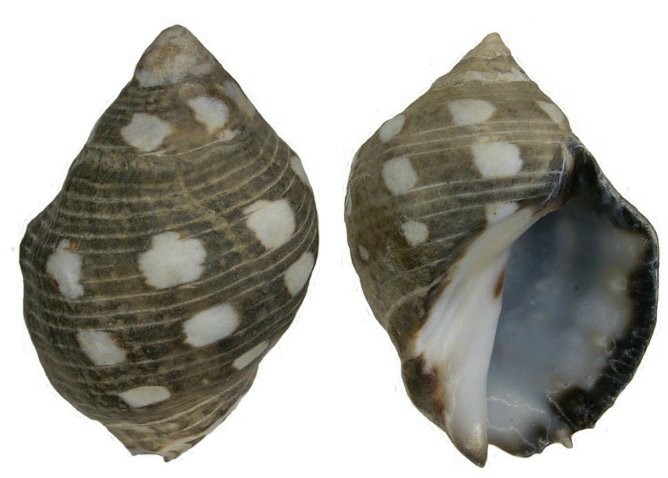
- Conches and whelks — larger marine predatory and scavenging taxa.
- Sea slugs — colorful, often shell-less marine species, including nudibranchs.
Anatomy and development
Gastropods share a muscular foot used for crawling, a head with sensory organs, and a rasping feeding organ called a radula. Many possess a single external shell formed by the mantle; others have reduced or lost it. A distinctive developmental process, torsion, rotates the visceral mass during larval stages and influences internal anatomy and ecology. Over evolutionary time many lineages adapted from original sea-floor lifestyles into other habitats, including terrestrial niches.
Evolution and fossil history
Early gastropods appear in Paleozoic rocks, with origins traced to the Cambrian. Major radiations occurred later, and many modern clades diversified in the Mesozoic era when expanding marine ecosystems offered new ecological opportunities. The fossil record preserves numerous shell forms that document shifts in mode of life and feeding strategies.
Ecology, uses and importance
Gastropods occupy roles as grazers, predators, scavengers and detritivores. They are important in nutrient cycling, algal control and as prey for fish, birds and mammals. Humans use some species for food, shells, and in aquaria; others are agricultural pests or invasive species affecting ecosystems and economies. Their sensitivity to pollution and habitat change also makes some gastropods useful environmental indicators.
Classification and notable facts
Modern classification recognizes several large clades rather than the older prosobranch/opisthobranch/pulmonate scheme; these clades reflect evolutionary relationships inferred from anatomy and genetics. Gastropods display striking variety in form, behavior and habitat, which helps explain why they are the largest class of molluscs and one of the most ecologically versatile animal groups known.
Questions and answers
Q: What are gastropods?
A: Gastropods are the largest and most successful class of molluscs which include slugs, snails, abalones, limpets, cowries, conches, top shells, whelks, and sea slugs.
Q: How many known living species of gastropods exist?
A: There are approximately 60,000-75,000 known living species of gastropods.
Q: Where do gastropods predominantly live?
A: Most gastropods live in marine environments, but some also live in freshwater and on land.
Q: What is the fossil record of gastropods?
A: The fossil record of gastropods dates back to the later Cambrian.
Q: What was the primary habitat of gastropods in origin?
A: The primary habitat of gastropods in origin was as sea-floor predators.
Q: When did many lines of gastropods living today evolve?
A: Many lines of gastropods living today evolved in the Mesozoic era.
Q: What advantage did gastropods in the Mesozoic era take advantage of?
A: In the Mesozoic era, many gastropods took advantage of the huge supply of food on the sea floor.
Related articles
Author
AlegsaOnline.com Gastropoda: snails, slugs and related gastropod molluscs Leandro Alegsa
URL: https://en.alegsaonline.com/art/37703
Sources
- intl-icb.oxfordjournals.org : intl-icb.oxfordjournals.org
- vliz.be : vliz.be/en/imis?module=ref&refid=78278