
Gastornis (extinct flightless bird)
Gastornis is an extinct genus of very large, flightless birds from the late Paleocene to early Eocene of Europe and North America, notable for its massive beak, robust skeleton and a long-running debate over its diet.
Overview
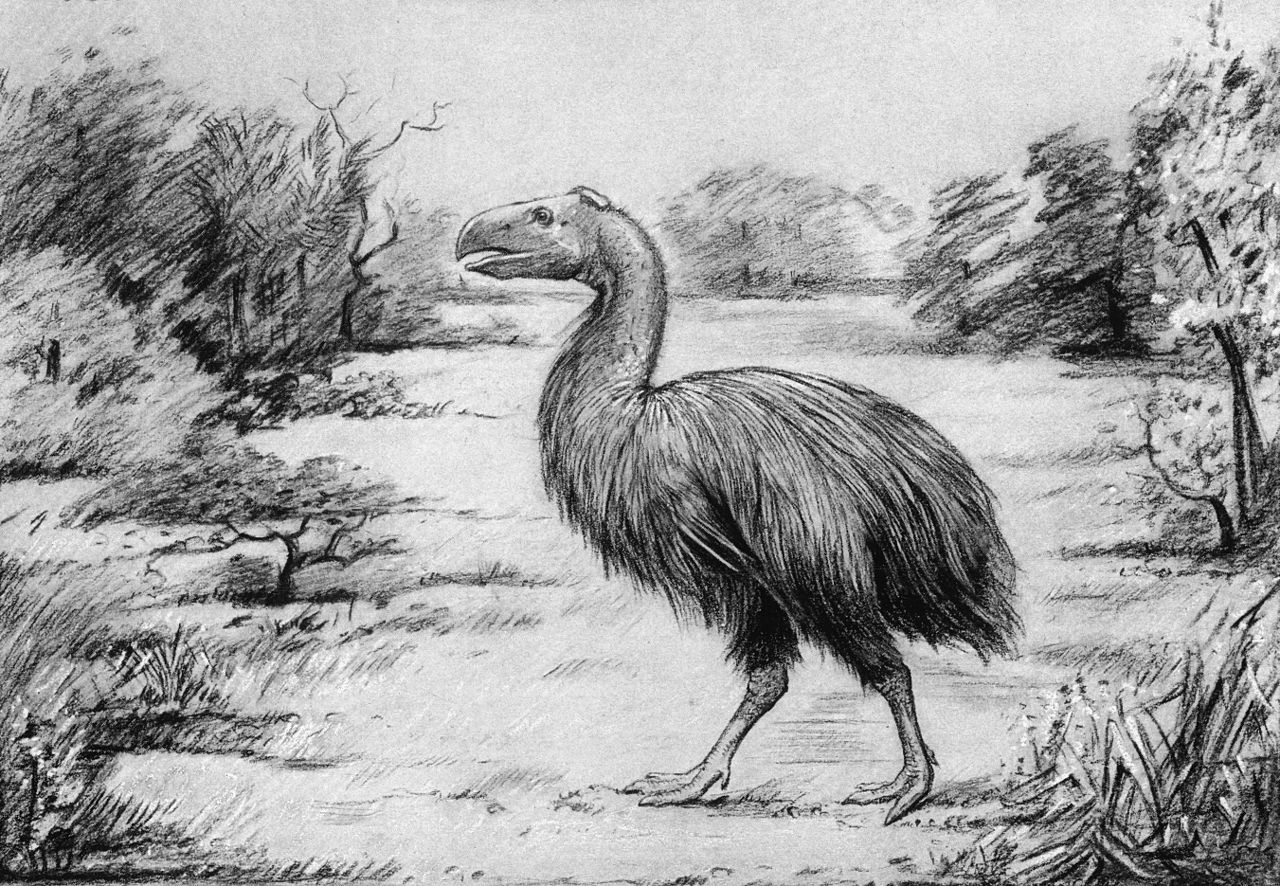
Gastornis is an extinct genus of very large flightless birds that lived during the late Paleocene and early Eocene epochs of the Cenozoic. Fossils show a heavy-bodied bird with a disproportionately large skull and a deep, powerful bill. It has become one of the best-known prehistoric birds because of its striking anatomy and wide geographic spread.
Image gallery
10 Images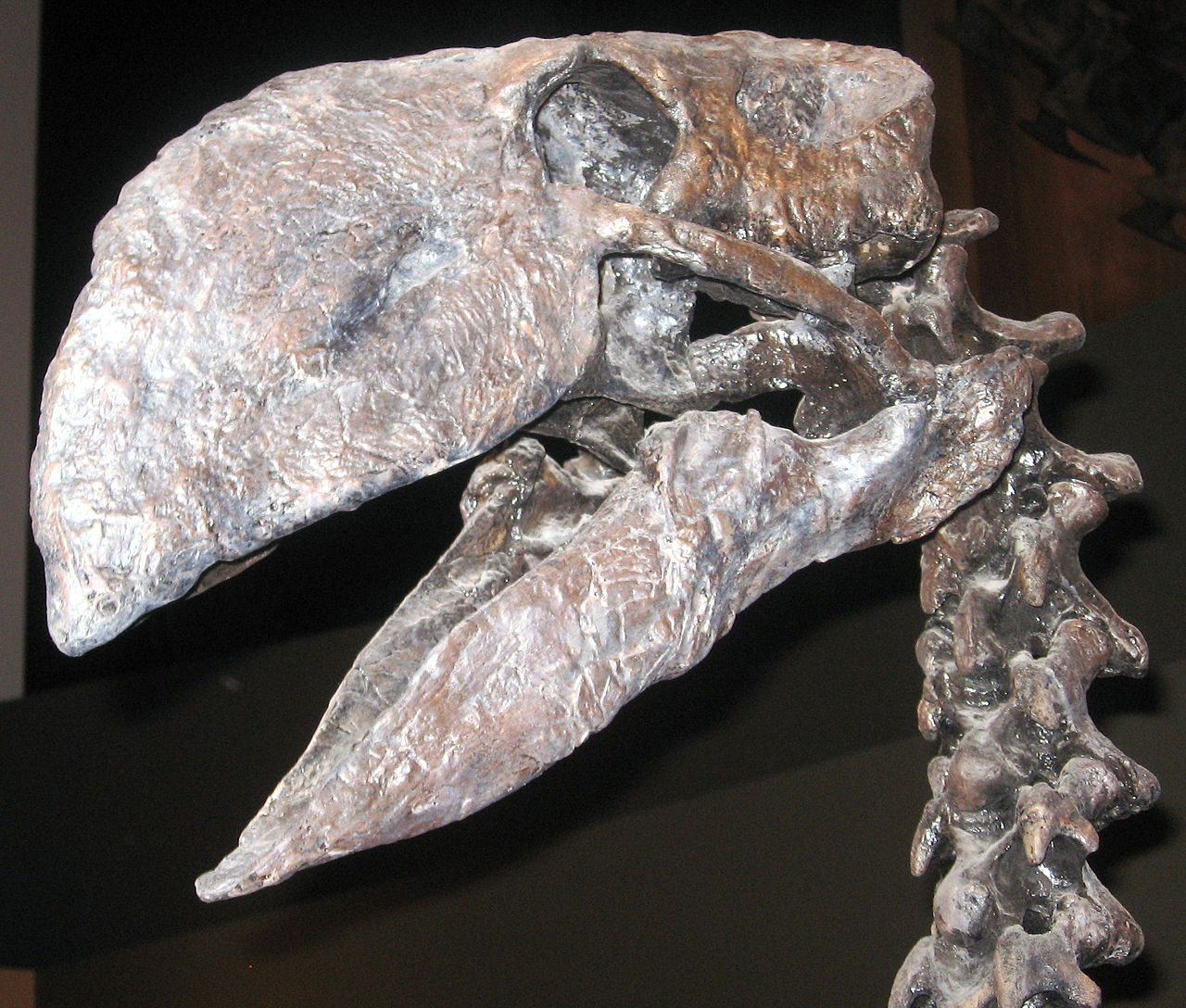






Anatomy and ecology
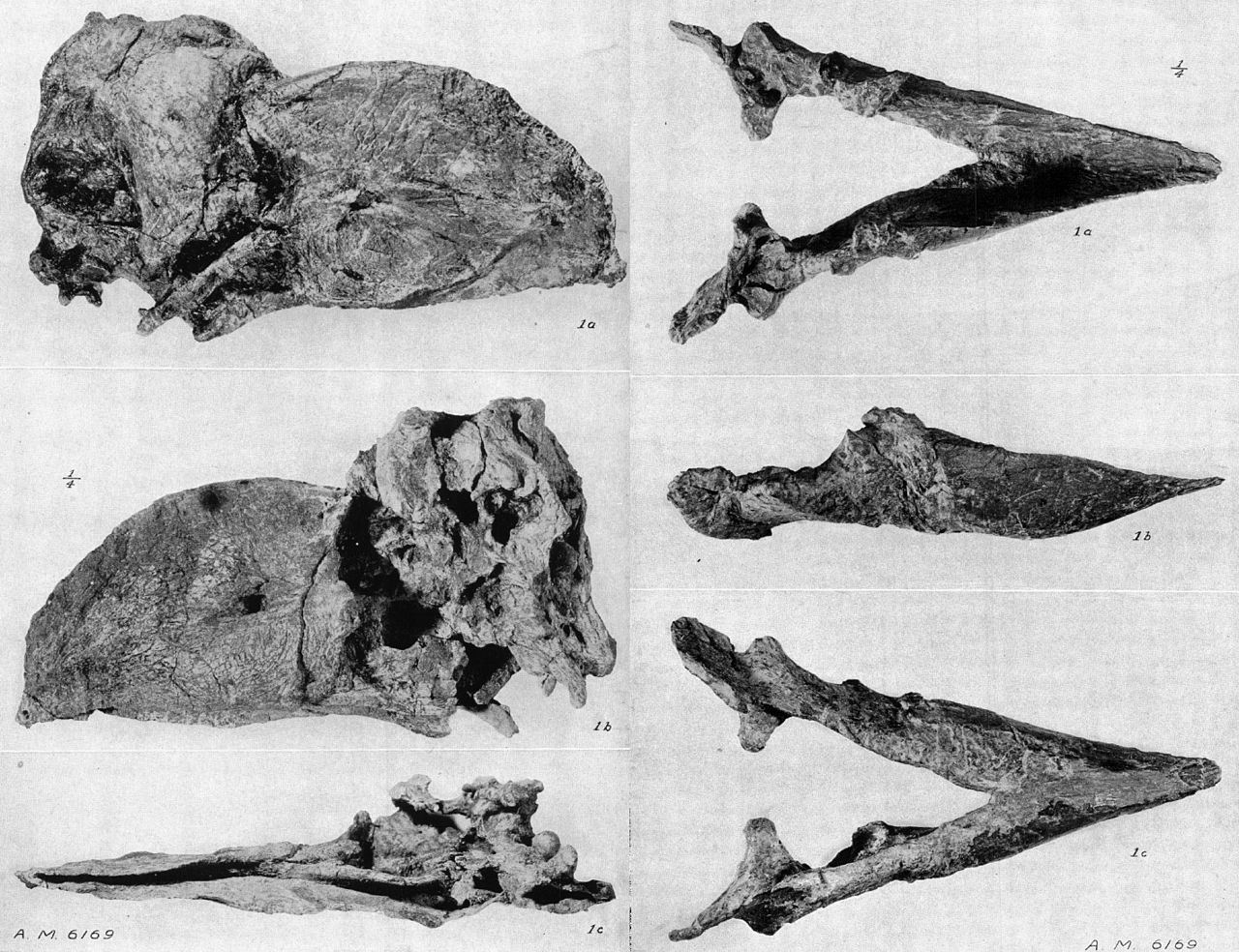
Gastornis possessed a robust skeleton: a short neck compared with some ratites, stout limbs adapted for walking, and a massive beak that suggests great bite force. Limb and pelvis features indicate it was flightless. Paleobiologists infer it occupied a terrestrial niche, but exactly how it fed has been debated.
- Head and beak: deep skull and broad bill suitable for strong biting or cropping.
- Limbs: sturdy legs for support rather than high-speed running or flight.
- Size: notably large among early Cenozoic birds, dominating some forested habitats.
Discovery and classification
Remains of these birds were first recognized in the mid-19th century from European deposits. In the 1870s the American paleontologist Edward Drinker Cope described better material from North America and applied the name Diatryma, a taxonomic history that led to parallel names and debate among researchers. Today most specialists use the name Gastornis for the European type material and place the group in the family Gastornithidae.
Geographic distribution and fossil record
Fossils attributed to Gastornis or close relatives have been reported across western and central Europe, including finds from England, Belgium, France and Germany, as well as several localities in North America. This distribution indicates a broad Holarctic presence in early Cenozoic temperate environments.
Diet and behavior
The bird's lifestyle remains disputed: historically portrayed as a predatory ambush specialist, later interpretations emphasized herbivory or omnivory based on beak shape, wear patterns and comparisons with living birds. Current evidence leans toward a powerful, possibly opportunistic feeder that could process tough plant material as well as scavenge or take small animals, but consensus is cautious.
Significance
Gastornis is important for understanding avian evolution after the end-Cretaceous extinction. Its exaggerated size, distinctive skull, and wide range provide insight into how birds diversified into terrestrial roles long before modern large flightless birds (like ostriches) evolved. For further general background see genus overview and regional summaries such as North American records.
Questions and answers
Q: What is Gastornis?
A: Gastornis is an extinct genus of large flightless birds.
Q: When did Gastornis live?
A: Gastornis lived in the late Paleocene and early Eocene epochs of the Cenozoic.
Q: When were the first remains of Gastornis discovered?
A: The first remains of Gastornis were discovered in the mid-19th century.
Q: Who discovered a more complete set of fossils of Gastornis in North America?
A: The famous American paleontologist Edward Drinker Cope discovered a more complete set of fossils of Gastornis in North America in the 1870s.
Q: Where have the fossil remains of Gastornis been found?
A: The fossil remains of Gastornis have been found in western-central Europe (England, Belgium, France, and Germany) as well as North America.
Q: What is in dispute regarding the life style of Gastornis?
A: The lifestyle of Gastornis is in dispute.
Q: Is Gastornis a flightless bird?
A: Yes, Gastornis is a large flightless bird.
Related articles
Author
AlegsaOnline.com Gastornis (extinct flightless bird) Leandro Alegsa
URL: https://en.alegsaonline.com/art/37690
Sources
- visualiseur.bnf.fr : PDF fulltext
- bbc.co.uk : "Giant Eocene bird was 'gentle herbivore', study finds."
- gallica.bnf.fr : PDF fulltext
- gallica.bnf.fr : PDF fulltext