
Game of Thrones
A television adaptation of George R. R. Martin's A Song of Ice and Fire, Game of Thrones is a high‑budget fantasy drama that follows rival noble houses, supernatural threats and complex political intrigue.
Game of Thrones is a fantasy drama television adaptation created by David Benioff and D. B. Weiss for the American network HBO. It premiered on April 17, 2011 and ran for eight seasons. The series draws its narrative and characters from George R. R. Martin's epic novel sequence A Song of Ice and Fire and assembled a large ensemble cast to portray competing claimants, shifting alliances and an expanding supernatural menace.
Image gallery
10 Images


Premise and setting
Set primarily on the continents of Westeros and Essos, the story interweaves dynastic struggles over the Iron Throne with other storylines: border conflicts, the daily life of noble households, and the return of an ancient threat beyond the northern Wall. Dragons and other fantastic elements appear alongside political maneuvering, creating a mixture of high fantasy and historical political drama. The series presents multiple points of view and frequently shifts focus among characters.
Structure, characters and themes
Game of Thrones is notable for its large ensemble cast and for concentrating on moral ambiguity, power, loyalty, and survival. Key families include the Starks, Lannisters and Targaryens; well‑known characters include Jon Snow, Daenerys Targaryen, Tyrion Lannister and Sansa Stark. The narrative often subverts genre expectations by killing major characters and emphasizing the costs of political ambition.
- Major houses: Stark, Lannister, Targaryen, Baratheon, Greyjoy.
- Recurring motifs: legitimacy, honor versus pragmatism, the burden of leadership.
- Supernatural elements: dragons, the White Walkers, prophetic visions.
Production and style
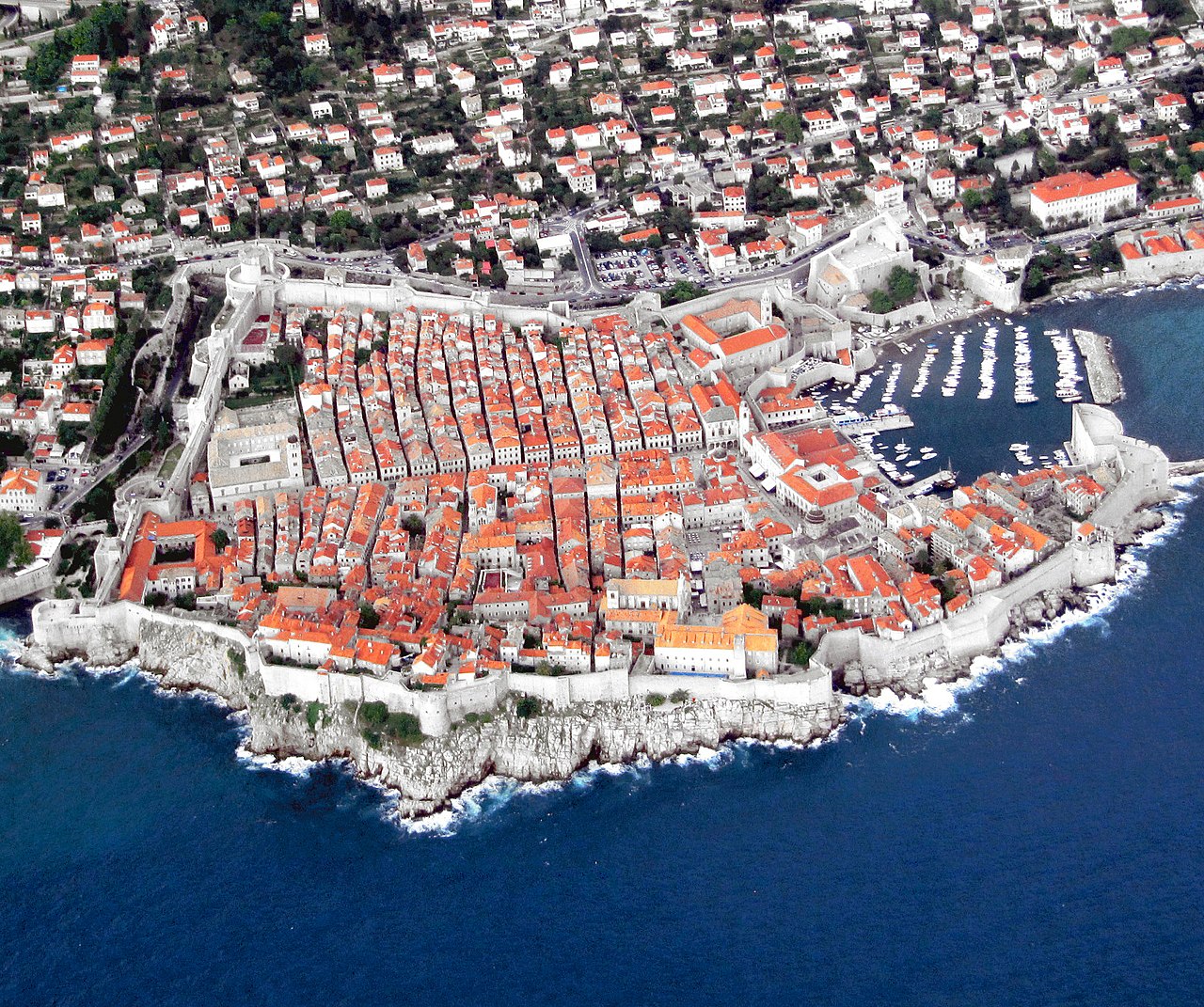
The show became known for high production values, location shooting across Europe, elaborate costume and set design, and a mix of practical effects and CGI. Composer Ramin Djawadi provided a distinctive score that helped define the series' tone. Over its run, the program expanded budgets and scale, staging large battle sequences and complex visual effects while sustaining an emphasis on dialogue and character interaction.
Reception, impact and controversies
Critically acclaimed in its early seasons for writing, performances and production, the series won numerous industry awards and reached large global audiences. It also generated debate: some viewers and critics praised its realism and bold storytelling, while others criticized graphic depictions of sex and violence, handling of certain storylines, and departures from the source material. The final season, in particular, prompted divided reactions about pacing and resolution.
As an adaptation, Game of Thrones significantly raised public interest in Martin's books and in long‑form, cinematic television. The franchise has extended into prequels and related projects, including spin‑off development such as prequel series and other adaptations. For readers and viewers interested in the original narrative framework, the novels remain a key reference and differ in detail and scope from the televised version; the author George R. R. Martin's ongoing work on later volumes has been widely discussed in relation to the show's choices. See also the creator's page: George R. R. Martin and the show's general entry: television series.
Game of Thrones left a lasting cultural imprint on television storytelling, demonstrating how serialized fantasy can attract mainstream audiences and become a global phenomenon.
Storyline
Previous story
The action takes place in a fictional world based on the European Middle Ages, in which summer and winter can last several years each. Across most of the continent of Westeros stretches a kingdom called the Seven Kingdoms after its predecessor kingdoms. These seven kingdoms in turn grew out of many other, older kingdoms. To the north, the Kingdoms, which are roughly the size of South America, border an area of perpetual ice, protected by a massive wall of ice built several thousand years ago and protected by the Night's Watch. To the east of Westeros, separated by a strait, is the continent of Essos. There are two other continents called Ulthos and Sothoryos. Not much is known about them, however.
The first human settlers, the "First Men", colonized Westeros as far north as several thousand years ago. They initially fought the original inhabitants of Westeros, the so-called "Children of the Forest", but came to an understanding. Many events of older history, such as the "Heroic Age" and the "Long Night," are known only in broad strokes, as written records survive only from later times. While the First Men were able to hold on in the north of the continent, they were largely displaced in the other realms by the "Andals" who immigrated later. The Andals brought the new faith of "the Seven" with them to Westeros (seven faces of a single god), whereas the First Men continued to pray to the old nameless gods they had inherited from the Children of the Forest.
The North, the Riverlands, which were temporarily united with the Iron Islands before the Targaryen invasion, the Westlands, the Vale of Arryn, the Expanse, the Stormlands as well as Dorne were once independent kingdoms. Around 300 years before the plot begins, the Valyrian noble Aegon Targaryen, later also called Aegon the Conqueror, conquered all the kingdoms except Dorne, which was peacefully integrated into the Empire almost 200 years later. The Targaryens thus established their kingship over all of Westeros. Aegon's main weapon was dragons, but these died out several centuries later, well before the plot of the series. Magic hardly plays a role anymore, the stories about the "white walkers" are only considered myths from long ago.
17 years (in the books: about 15 years) before the beginning of the action in the series, a rebellion caused the rule of House Targaryen to collapse. The upheaval, known as Robert's Rebellion, was triggered by the abduction of Lyanna Stark by Crown Prince Rhaegar Targaryen and the assassination of several high-ranking figures (including the then-Lord of Winterfell, Rickard Stark) by King Aerys II. Houses Stark, Baratheon, Arryn, and Tully then raised their banners against Aerys, who had the powerful House Tyrell in the Expanse and House Martell in Dorne to lean on. The war lasted a year; it was not until the Battle of the Trident, in which Rhaegar Targaryen was killed by Lyanna's betrothed Robert Baratheon, that the decision was made. Shortly thereafter, the forces of House Lannister (in the original Lannister) captured the capital of King's Landing (in the original King's Landing) in a coup d'état - King Aerys, also known as "the Mad King", assumed to have support - and sacked it. Aerys himself was killed by Jaime Lannister, a member of his bodyguard. Robert Baratheon then ascended the throne. A few years later, he had to put down a rebellion by House Greyjoy (Greyjoy in the original) of the Iron Islands. As a security measure, he sent Theon Greyjoy, the son of Balon Greyjoy (the Lord of the Iron Islands), to Winterfell as a ward.
First season
→ Main article: Game of Thrones/Season 1
The plot of the first season follows quite closely the novel plot of the original first volume A Game of Thrones. The titular political "Game of Thrones" is alluded to repeatedly.
The series begins at a time when a new power struggle threatens to erupt. The key players are the powerful Stark, Lannister and Baratheon noble families. King Robert Baratheon asks his old friend Eddard Stark to serve as Hand of the King, as his last Hand, Jon Arryn, has died. Eddard accepts this invitation with his daughters Sansa, who is to marry Robert's son Joffrey, and Arya. He rightly suspects that his predecessor, who was like a surrogate father to Robert and him, has been murdered. It turns out that House Lannister, from which Robert's wife Cersei hails, has its own agenda regarding the Iron Throne. The conflict between these families and the other influential noble houses (such as the Greyjoys, Tullys, Arryns, and Tyrells) eventually leads to Robert's murder, Eddard's execution, and war. At the same time, in the north, beyond the massive ice wall that shields the seven kingdoms there, an ancient and dangerous power awakens, but little notice is taken of it during the struggles for the throne in the south. Meanwhile, across the sea on the continent of Essos, the surviving members of the former Targaryen royal family, Viserys and Daenerys Targaryen, plot to return to Westeros to regain the throne. To do so, Viserys makes a deal with a Khal of the Dothraki horsemen race, by which Daenerys is to marry said Khal (Khal Drogo). When the latter dies some time after the marriage, Daenerys places three presumably fossilized dragon eggs on the funeral pyre and also enters the corpse fire, from which, however, she emerges unharmed and accompanied by the hatched dragons.
Second season
→ Main article: Game of Thrones/Season 2
The second season essentially presents the plot of the original second volume, A Clash of Kings, with greater deviations in content from the book than the first season.
A war rages in the kingdom between Robert's brothers Stannis and Renly Baratheon and the new young king Joffrey I Baratheon, who rules with extraordinary tyranny. Joffrey receives support in this from House Lannister, the house of his mother Cersei. Stannis and Renly, on the other hand, are at odds, arguing over who is their brother's rightful successor. Renly leans on the Stormlands and on the influential House Tyrell, while Stannis puts more and more trust in the mysterious Melisandre. The North has declared itself independent after Eddard Stark's execution in King's Landing under Robb Stark, Eddard's son and the King of the North, and is at war with the Lannisters in the Riverlands and the West. Arya Stark is on the run after her father's execution, with the assistance of a brother of the Night's Watch, heading north, but along the way most of her fellow travelers are captured and taken to Harrenhal, the headquarters of the Lannister army. She is briefly Tywin Lannister's servant and is recognized by Petyr Baelish, but not betrayed before she escapes. Her sister Sansa is a hostage of the Lannisters in King's Landing, where she is mistreated by Joffrey Baratheon. Jaime Lannister is the latter's prisoner after a decisive battle with Robb Stark and serves as a hostage to keep Sansa and Arya safe. Tyrion Lannister, as the new acting Hand, tries to keep things under control in King's Landing, having to stand up to his scheming sister Cersei. Meanwhile, in the Iron Islands, Balon Greyjoy plots to profit from the throne struggles in the realm by having his son Theon Greyjoy conquer Winterfell, home of the Starks. Meanwhile, the men of the Night's Watch undertake an expedition to the lands beyond the Wall to investigate the unclear situation on the ground. Meanwhile, on the continent of Essos, Daenerys Targaryen is fighting for her life and the survival of her followers, with whom she is staying for some time in the city of Qarth thanks to the help of Xaro Xhoan Daxos. During her stay, her dragons are stolen and taken to the House of the Immortals, as the resident warlocks want to get a boost of magical power from them. Daenerys is able to save herself and her dragons. After finding out that Xaro Xhoan Daxos lied about the extent of his wealth and was involved in the theft of the dragons, she leaves.
Third season
→ Main article: Game of Thrones/Season 3
The third season covers roughly the first half of the original third volume, A Storm of Swords, which is too comprehensive for a single season, but with several deviations or modifications to the plot in the books.
In Westeros, the Lannisters seem to have all but won the so-called "War of the Five Kings". Stannis Baratheon, who was potentially the greatest threat, is defeated after the decisive battle at Blackwater and has few troops left. House Tyrell has joined the Lannisters, and the planned marriage of Joffrey to Margaery Tyrell should reaffirm the new alliance of the two most powerful houses in the realm. The Tyrells, however, are warned by Sansa Stark of Joffrey's inhumanity and wickedness. While Tywin Lannister now effectively rules as the new Hand in King's Landing, Tyrion's position at court has become very precarious, but even Cersei must realize that her influence is waning. Tywin Lannister also plans to marry Tyrion Lannister to Sansa Stark and Cersei Lannister to Loras Tyrell. Robb Stark has won every battle, yet he seems to be losing the war. The Lannisters have vast resources, the Men of the Iron Islands continue to rage in the North, and Winterfell is nothing but a ruin after Theon Greyjoy's betrayal. Robb's love match with Talisa has also put a strain on his relationship with the Freys. He strives to save the alliance with House Frey, but in what later becomes known as the "Red Wedding" he is betrayed by the Freys and the Boltons, the remnants of his army are destroyed, and his mother, Talisa and her unborn child, and himself are murdered in cold blood.
Sansa continues to be a hostage of the Lannisters, which is supposed to be reinforced by her marriage to Tyrion, though he treats her courteously and kindly. While Bran and Rickon, along with Meera and Jojen Reet ("Reed" in the original) are in the North on their way to the Wall, Arya is on the run in the Riverlands. She comes across the Brotherhood Without Banners, which is selling Gendry, the bastard son of Robert Baratheon, to Melisandre, who wants to sacrifice him to her god to help Stannis. Ser Davos Seewert helps Gendry escape from Dragonstone. Arya is kidnapped by the Bloodhound Sandor Clegane as he plans to take her to her family for a reward. Jaime Lannister and Brienne of Tarth, meanwhile, are on their way to King's Landing, being captured along the way by men under Lord Bolton, a Stark henchman. Jaime loses his right-hand man before being ransomed by Tywin Lannister. In Essos, Daenerys Targaryen arrives at the city of Astapor on what is known as Slave Bay, where she plans to acquire trained elite troops there, known as the Unsullied, in order to win the Iron Throne, but she has other goals. Unexpectedly, Ser Barristan Selmy joins Daenerys, who, as the plot progresses, makes clear her intention to fight slavery in Essos, among other things. After buying all the Unsullied with one of her dragons, she frees Astapor from slavery with them and offers them freedom as well. However, the Unsullied decide to fight for her. Later, she reaches Yunkai, persuades the mercenary army of the "Secondborn" to join her, and frees Yunkai from the slavers as well. In the land beyond the Wall, most of the men of the Night's Watch have been massacred by the "White Walkers"; the few survivors try to reach the Wall and warn the people to the south of the new threat. Jon Schnee has joined the Wildlings under Manke Rayder, (Mance Rayder in the original), the king beyond the Wall, for appearances, but his loyalties are sorely tested when he falls in love with the Wildling woman Ygritte. Rayder plans to push south to escape the danger posed by the White Walkers, but first the Wall must be overcome.
Fourth season
→ Main article: Game of Thrones/Season 4
The fourth season covers (with some variations and modifications) roughly the second half of the original third volume, A Storm of Swords.
The Northern rebellion against the throne has effectively ended, but the situation in the realm remains tense, especially since Stannis is still alive and whole parts of the country are devastated by the war. Jaime Lannister has returned to King's Landing, but is given a cool reception by Cersei, while Tywin urges his son to take up the inheritance of Casterly Rock (Casterly Rock in the original). Tyrion is now married to Sansa Stark, who is traumatized by the news of Robb and Catelyn's brutal murder. Although Tyrion is now Master of Coin, he remains effectively isolated at court, while the Tyrells have gained influence. Joffrey's royal wedding to Margaery Tyrell also draws near. Prince Oberyn Martell of Dorne now arrives at court, bent on revenge for the murder of his sister Elia, who was murdered by Gregor Clegane at the end of Robert's Rebellion during the sack of King's Landing on (he suspects) Tywin Lannister's orders.
The North continues to be partially controlled by men from the Iron Islands, where the new Guardian of the North, Roose Bolton, is plotting his next moves. Ramsay tortures Theon Greyjoy and eventually learns that Bran and Rickon are still alive. Beyond the Wall, some of the Night's Watch brothers mutiny, kill Jeor Mormont, and take Craster's keep. Later, they also capture Bran and his companions, but the latter are able to break free when Jon Schnee attacks and defeats the mutineers. Bran, Hodor, and the Reets eventually reach the Werewood Tree that Bran had dreamed of, but when they are attacked by revenants, Jojen is killed. The others are rescued by the last children of the forest, and Bran begins his training as the next Three-Eyed Raven. On the Wall, the men of the Night's Watch prepare for an attack by wildlings led by Manke Rayder.
Arya Stark and the Bloodhound are on their way to Hohenehr after the Red Wedding they witnessed, but when they learn that Lysa Arryn has died, the Bloodhound decides to wander Westeros with Arya. A short time later, they are both found by Brienne of Tarth, who wants to protect Arya in accordance with her oath. A fight ensues between Brienne and the Bloodhound, in which the latter is defeated. Arya takes his money from him and leaves him for dead before making her way to Braavos. After she shows a Bravos captain a Bravos coin, he takes her on his ship.
In Essos, Daenerys Targaryen has reached and conquered Meereen, the last remaining and largest city in Slave Bay; meanwhile, her adolescent dragons are increasingly difficult to control. Rhaegal and Viserion are therefore chained in an underground dungeon; Drogon is nowhere to be found.
During his wedding, Joffrey Baratheon (Lannister) is poisoned by Olenna Tyrell and dies after drinking the poisoned wine. During his demise, he points to Tyrion, whom he had previously chosen to be his cupbearer in order to humiliate him. Cersei immediately has Tyrion imprisoned and also demands to see Sansa, but she was able to escape in time with the help of the fool she had saved earlier. He takes her to a ship where Petyr Baelish is waiting and tells her that the jester was sent by him to give her a necklace. He implies that the poison, "the Strangler," was hidden in the necklace, but Sansa fails to see the connection or rather suppresses it. Lord Baelish takes her to Hohenehr, where he marries her aunt. Tommen Baratheon is proclaimed the new king. Tyrion is questioned about Joffrey's murder. He is given little opportunity to defend himself, and when at the end of the trial his lover, Shae, testifies against him, he demands a judgment of the gods by single combat. After initially failing to find a fighter, Oberyn Martell visits him in the dungeon and assures him that he will fight Cersei's fighter, the "Mountain", in order to also avenge his sister's murder. In battle, Oberyn's agility gives him the clear advantage, but when he inflicts a near-fatal wound on the Mountain, he becomes careless, wanting to hear the confession of the downed Clegane. The latter sweeps him off his feet and crushes his skull. Tyrion's death sentence is to be carried out the next day. That night, however, he is freed from the dungeon by Jaime. Jaime declares that Varys will help with the escape, and the brothers take their leave of each other. Tyrion goes to his father's chambers. There he meets Shae, who has apparently slept with Lord Tywin. Tyrion is overcome with grief and rage, he strangles her and finds his father on the privy threatening him with a crossbow. Tywin confesses that he has always hated Tyrion, but that as a Lannister he will not execute him. When Tywin repeatedly calls Shae a whore, Tyrion kills his father with the crossbow. He is taken aboard a ship by Varys, on which they both leave the capital.
Fifth season
→ Main article: Game of Thrones/Season 5
The fifth season diverges from the books even more, with the volumes A Feast for Crows and A Dance with Dragons being thematically considered as a unit, as roughly the same time period is covered, just from different points of view.
In Westeros, the death of Tywin Lannister threatens to erode the power of his house. Cersei attempts to rule as regent for Tommen and thus comes into conflict with the new Queen Margaery and the Tyrells, who are intent on their own position. At the same time, a new religious reform movement emerges, whose members are called Sparrows (in the original "Sparrows") and who fanatically advocate a return to a simple life in keeping with the beliefs of the Seven. Cersei sees an opportunity to destroy the Tyrells, and gives the Sparrows power as well as the ability to pass judgement. The leader in this is the so-called "High Sparrow", a simple man with very strong beliefs. Brienne of Tarth attempts to locate Sansa Stark and bring her to safety in order to honor the vow made to Catelyn Stark. At the Wall in the far north, Stannis Baratheon plans his further military action against the Boltons and the Lannisters, enlisting wildlings to do so. In the Night's Watch, a new commander is elected in Jon Snow, whereas Stannis had intended to elevate him as Jon Stark, the new Lord of Winterfell, to secure the loyalty of the Stark followers. The Boltons are eager to consolidate their own position of power, while still facing revolts from Stark loyalists. For this reason, Ramsay Bolton forces a marriage to Sansa Stark, at least symbolically ending the conflict between the two great houses of the North. In the southern kingdom of Dorne, resentment towards the Lannisters is stirring; demands for vengeance for the death of Prince Oberyn are being made, mainly by his mistress Illaria Sand and their children, the Sand Snakes. Prince Doran Martell has a different policy.
In Essos, Tyrion Lannister arrives in Pentos with Varys. Varys persuades Tyrion to travel together further east to Meereen to Daenerys Targaryen, whom he intends to place on the throne of Westeros. However, Tyrion is kidnapped on the way by Jorah Mormont, who wants to give him to Daenerys as a gift. As the two pass the ruins of Valyria, they first see Drogon and are later attacked by the "Stone Men". One of them touches Jorah, giving him the "Grey Scales" (in the original "Greyscale"). They are later captured by slavers who sell them into the newly opened battle arenas, where they both meet Daenerys. She banishes Jorah again, unwilling to forgive him, but takes in Tyrion and later decides to make him her advisor. She strives to maintain control of Meereen, with strong tensions with supporters of the old order, the "Sons of the Harpy", who do not shy away from murder. Arya Stark arrives in Braavos, where she joins the assassin group the "Faceless Men".
In the final episode, Cersei Lannister, who is being held by the Sparrows, whose leader now holds the office of High Septon, confesses that she slept with her cousin Lancel Lannister. She is then forced to perform a penitential walk through King's Landing naked, the Walk of Atonement. Arya Stark has single-handedly killed Ser Meryn Trant and is blinded as a result; Jon Schnee, after bringing the wildlings to the other side of the Wall to fight with them against the White Walkers, is ambushed and killed by members of the Night's Watch, including the boy Ollie. In the North, the Boltons crush the army of Stannis Baratheon, who is badly injured in the process and eventually found by Brienne, who executes him for the murder of Renly Baratheon. Sansa Stark, now forcibly married to and repeatedly abused by Ramsay Bolton, escapes Winterfell with Theon and is rescued from Ramsay's minions by Brienne and Podrick. Daenerys Targaryen has been rescued by her lost dragon Drogon during an assassination attempt, but is outside Meereen in an unknown location and is discovered by a large Dothraki horde. To avoid desecration and mistreatment, she tells the Khal that she was once a Khaleesi, but now she is to remain in Vaes Dothrak in the temple of the Dosh Khaleen, widows of the Khals, until the end of her life. Meanwhile, in Meereen, Tyrion Lannister rules for the time being, trying to negotiate a peace treaty with the slavers, as they seem to support the Sons of the Harpy.
Sixth season
→ Main article: Game of Thrones/Season 6
The sixth season is the first season of the series, based mostly on original material not in The Song of Ice and Fire books. Additionally, however, some storylines have been taken from the upcoming book The Winds of Winter.
Over the course of the season, the Bloodhound, who Arya thinks is dead, is shown again. After the break in season five Bran Stark appears again. He is training north of the Wall as a three-eyed raven to become a warg (=ability to mentally merge with humans or animals and perform actions). One night, outside his lair, Bran perceives the Army of the Dead and the Night King, who can also mentally "see" Bran and draws him by touching his arm, meaning he is no longer safe in the lair from the White Walkers. A few minutes later, the cave under the weirwood tree is attacked by revenants, the Night King, and the White Walkers. The children of the forest, Bran's direwolf Summer, Hodor, and the old three-eyed raven die in the escape. Meera must now drag him alone, but before they are both nearly caught up and killed by the revenants, Benjen Stark suddenly appears and saves them. Jon is brought back to life by Melisandre through magical powers. Before his death, he sent Samwell Tarly, Goldy, and little Samwell to the city of Altsass to the Citadel, where Samwell is to be trained as a maester. Jon hangs Allisar Thorn and the other traitors, including the little boy Olli, and then resigns his position as Lord Commander as well as his watch ("My watch is ended"). He meets Sansa again, who has fled Winterfell with Theon and Brienne. Theon moves back to the Iron Islands, where he is told of his father's death and his uncle Euron Greyjoy becomes King of the Iron Islands. Theon flees with his sister, eager to join the only surviving Targaryen.
Daenerys is found by Jorah and Daario Naharis and burns the temple with herself and the Khals inside. She is once again unharmed, and the entire Khalasar now follows her as she has proven her strength. She is now ready to forgive Jorah, but he refuses, concerned for her safety because of the grey scales. After he confesses his love for her, she orders him to find a cure and return to her ("When I conquer the Seven Kingdoms, I need you by my side"). When Meereen is attacked by the Sons of the Harpy, it is successfully defended by the dragons. In King's Landing, the Sparrows hold Margaery and Loras Tyrell captive, and Tommen attempts to free them while Cersei recovers from the Walk of Penance. Kevan Lannister serves as Hand of the King until then. Strife ensues between Houses Lannister and Tyrell. Tommen manages to free Margaery, and a trial would soon ensue to help free Loras Tyrell.
Jon Schnee, revived by Melisandre, prepares with Sansa for a battle against Ramsay Bolton to reclaim his home. Ramsay almost wins the battle due to the strength of his forces and a clever tactical ambush, but Jon's army is saved by the Knights of the Green Valley. Sansa had contacted Petyr Baelish behind his back and asked him for help. During the trial of Loras Tyrell, the wildfire in the Underground of King's Landing is lit on the orders of Cersei Lannister. The Sparrows and the Tyrells die when the sept explodes. Shortly after, King Tommen throws himself out of a window and dies. Cersei is crowned the new queen. With the murder of the Tyrell family and Oberyn Martell by the Lannisters, Ellaria Sand wants to announce war against the Lannisters with Olenna Tyrell. Bran arrives at the Godswood outside the Wall and has a vision in which it is shown that Jon's real parents are Rhaegar Targaryen and Lyanna Stark. Jon banishes Melisandre from the North for the murder of Sharin Baratheon and is proclaimed King of the North shortly after. Arya Stark disappears from Braavos after facing the Homelands in a deadly duel and has now become a "faceless man" ("A girl is finally nobody. A girl is Arya Stark of Winterfell, and I'm going home now"). She serves Walder Frey his two sons in a pie and then slits his throat. Daenerys Targaryen heads to Westeros with hundreds of ships, the Greyjoys, the army of the Unsullied, the added people of the Dothraki, and her three dragons. At her side is Tyrion Lannister, whom she has made her Hand.
Seventh season
→ Main article: Game of Thrones/Season 7
The seventh season is largely about the arrival of Daenerys Targaryen in Westeros and her planned campaign of conquest. Despite the conflicts now revealed, especially between House Lannister and House Targaryen, the great danger of the White Walkers and their army of the dead in the far north remains. Because of this danger, Jon Schnee travels to Dragonstone and asks Daenerys for help, but conflict arises regarding his position as King of the North, which Daenerys does not recognize. Arya Stark and Brandon Stark once again return to Winterfell, where there is a reunion with Sansa Stark. Littlefinger schemes and tries to play the Starks against each other to continue to influence Sansa, which ends up being his undoing. Brandon Stark learns that Jon's real name is Aegon Targaryen and that he is the legitimate son of Lyanna Stark and Rhaegar Targaryen; Samwell Tarly also knows Jon's real parents. The alleged kidnapping and rape of Lyanna by Rhaegar, the catalyst for "Robert's Rebellion," represent an error.
Meanwhile, Cersei Lannister plots to destroy her enemies and receives assistance from Euron Greyjoy. The Lannisters destroy the Tyrells and neutralize Asha Greyjoy's fleet as well as Dorne, while the Targaryens' forces rally to counterattack. In this context, Daenerys deploys her dragon Drogon and uses it and the Dothraki to destroy a Lannister army, to which Jaime is deeply shocked. Jon heads to Beyond the Wall with a squad and captures an undead to present to the Lannisters so they can see the real danger threatening Westeros. Jon eventually swears allegiance to Daenerys after she comes to his aid, but loses one of her dragons in the process. With the Lannisters also aware of the undead threat beyond the Wall, which all sides fear, a temporary truce is agreed. However, Cersei is already plotting a future betrayal, prompting Jaime to renounce her, even though she is expecting his child. Jon Snow and Daenerys Targaryen sleep together, unaware of their kinship. At Eastwatch, the undead under the Night King, with the help of the undead dragon Viserion, break through the Wall and invade the north of the Kingdoms.
Eighth season
→ Main article: Game of Thrones/Season 8
Season eight begins with the arrival of Jon and Daenerys at Winterfell. There, they prepare for the upcoming battle against the Night King's army; they receive unexpected help from Melisandre, who has returned to do her duty despite being banished. Jon Snow learns from Samwell that his real name is Aegon Targaryen and that he has a greater claim to the Iron Throne than Daenerys, who informs Jon of this. The latter not only faces this problem; much of the Northmen do not trust her, including Sansa. At the Battle of Winterfell, her advisor Jorah Mormont, as well as Theon Greyjoy, Beric Dondarrion, and Edd Tollett, fall victim to the undead, but Arya Stark is able to kill the Night King at the last moment, defeating all other White Walkers and undead as well. After the battle, Melisandre takes off her magical necklace, ages rapidly, and dies at the gates of Winterfell.
Following the celebrations after the battle is won, Jaime and Brienne sleep together. Jon, on the other hand, is unable to maintain a love affair with Daenerys due to their relationship. She, in turn, not only feels rejected, but sees her goal of becoming queen threatened by Jon's claim to rule. She asks Jon not to reveal to his siblings what his true name is. Jon, however, does not comply with this request, and through Sansa, the secret also reaches Tyrion and Varys.
Because, contrary to her announcement, she did not provide support at the battle against the Night King, the surviving warriors of the North, Unsullied and Dothraki go to war with Daenerys and her remaining dragons against Cersei, who in turn has received support from the Golden Company mercenaries from Braavos in the meantime. Near Dragonstone, however, they are surprised by the fleet of Euron Greyjoy, who manages to kill Daenerys' dragon Rhaegal and capture Missandei, who is soon executed on the King's Landing gate by Cersei's henchman Gregor Clegane in front of Daenerys and her allies. When Jaime hears of this, he moves to King's Landing to protect his sister, whom he still loves, from the wrath of Daenerys, initially being captured by the Unsullied but freed by Tyrion and sent to Cersei's rescue. Tyrion asks his brother to leave the country with Cersei.
Daenerys, meanwhile, distraught by the deaths of Rhaegal and Missandei, appears increasingly distrustful and isolated. Varys therefore harbors doubts about her suitability to rule. After secretly turning on her and attempting to have Jon recognized as the rightful heir to the throne, he is executed by Daenerys. Tyrion then wrests a promise from her to show leniency to the inhabitants of the capital, provided they submit to her. The ensuing siege of King's Landing is ended unexpectedly quickly; Daenerys destroys both Euron Greyjoy's fleet and the Golden Company on Drogon without much trouble. When Cersei's forces and the townsfolk surrender, however, Daenerys gives in to her anger, goes into a frenzy, and destroys most of King's Landing with her dragon, killing countless innocent people, including women and children. The Dothraki, the Unsullied, and the Northmen also join in the carnage. Meanwhile, Arya and Sandor Clegane have snuck into the red keep. Arya wants to assassinate Cersei, but the Bloodhound recognizes the danger and sends Arya back; he himself, however, is not dissuaded from fighting his older brother Gregor, as a result of which they both fall from the tower together into the raging fire below. Jaime Lannister, after killing Euron Greyjoy in battle and being badly injured himself, reaches Cersei and tries to escape with her, but both are buried under the collapsing keep and die.
After the victory, Daenerys addresses her troops and announces her intention to "free" the entire world. The shaken Tyrion abandons his role as Hand of the Queen and is arrested by Grey Worm and his followers of the Unsullied as a high traitor. After a conversation with the imprisoned Tyrion, Jon is forced to admit to himself that Daenerys has become a tyrant, and so he stabs her to death after one last kiss before the Iron Throne. Drogon finds her, melts the throne down with his fire, and flies off with her corpse.
A little later, in the ruins of King's Landing, the representatives of the major houses - Arryn, Stark, Tully, Greyjoy, Baratheon, a prince from Dorne, Tarly, Royce and Tarth, as well as Davos Seewerth, whose status in the realm is unclear to himself - along with Tyrion Lannister and Grey Worm, confer on what should happen to the realm. The North is declared an independent kingdom under Sansa, Bran Stark is declared ruler of the remaining six kingdoms, making Tyrion, who proposed him, his Hand. Though Bran cannot father children, the crown is henceforth not to be hereditary anyway, but kings are to be elected. Tyrion leads the King's Council, which consists of Ser Davos, Grand Maester Samwell, Bronn, who is now Lord of the Lands of the Expanse (formerly House Tyrell), and Brienne of Tarth, Commander of the Kingsguard. Podrick becomes second-in-command to the Commander of the Kingsguard. Grey Worm and his people of the Unsullied are offered the chance to form their own House, but they decline and instead prepare their passage to Naath, the home of Missandei. Arya sets sail after announcing to Sansa, Jon, and Bran that she will explore the world west of Westeros. Jon Schnee, whose punishment Grey Worm has demanded, is exiled to the Wall to rejoin the Night's Watch. He soon leaves them behind, however, to join Tormund and the Free Folk of the Wildlings and head north beyond the Wall.


Institutions, Titles and Peoples
The Night Watch
The Night's Watch, an institution several thousand years old, is a community of diverse men dedicated to securing the northern border of the Empire. There are 19 fortresses along the Wall, as the Great Ice Wall is called, however (at the time of the plot) only 3 are still inhabited by the Night's Watch (East Watch by the Sea, the Black Fortress & the Shadow Tower). The Wall forms the northern border of the realm and stretches from east to west across the continent. The Night's Watch secures the few access points that lead through it, patrolling along the ice wall and scouting beyond it to take action in time before wildlings enter. In times of civil war or succession disputes, the Night's Watch is obligated not to take sides. While they honor all kings during a rebellion, they rule themselves. For this purpose, they have a strip of land south of the Wall called the Gift. The land strip got this name from the legend that Brandon the Builder gave the land strip to the Night's Watch. The Night's Watch uses the Gift to provide itself with self-sufficient food.
Many members of the Night's Watch are not there by choice, they have been forced by their family or the law. Occasionally, members are third-borns without hereditary rights who join the Night's Watch for traditional reasons; however, the majority are criminals or fugitives. In the Seven Kingdoms, it is customary to allow a convict to choose whether the sentence is carried out or whether to join the Night's Watch. Since service in the Night's Watch lasts until the end of one's life and members are never allowed to marry or have children, society gets rid of disagreeable individuals in this way - for these individuals, service in the Night's Watch is essentially a commuted death sentence. Accordingly, the reputation of the Night Watch, which as a result is predominantly made up of criminals, is not particularly positive among the population. However, this is a recent development. In previous centuries, the Night's Watch was an elite force that housed numerous second-born sons of the Lords. It is still held in fairly high regard in the north, and in some cases nobles still join it voluntarily. Actually, within the Night's Watch, a member's former social standing does not count, at least according to tradition, though this is not always adhered to. Nevertheless, the leading positions are mostly occupied by nobles. Desertion and disobedience of orders are punished with death, the execution either takes over the guard itself or the lord of Winterfell.
The traditional dress of the Night's Watch is all black, which is why joining the Night's Watch is metaphorically referred to as "putting on the black". This distinctive feature is also the reason for the derogatory term "crows" used by the wildlings. The head of the Night's Watch in office at the beginning of the series is Lord-Commander Jeor Mormont.
The Hand of the King
The Hand of the King is the King's deputy in King's Landing and the first steward of the realm. What he orders is considered the will of the king. He signs and seals bindingly with the king's name; anyone who insults, threatens or injures him is treated as if he had done so directly to the king. However, the actual power of influence depends on his personal authority, his household power and the support of the king. The Hand also presides over the Council should the King not be present. The Hand can also dispense justice and sit on the Iron Throne if the King so orders or is indisposed at the time.
The Council
The council is the assembly of influential courtiers and nobles. It can meet in small and large forms; the size depends on the degree of secrecy. Its function is to advise the king and his hand and to assist him in governing. De facto it undertakes all the business of government. In the Small Council sit the masters of each of the various duties.
The Master of the Mint
This post corresponds to a Chancellor of the Exchequer, who oversees the king's money transactions. In the series plot, this mainly means getting new loans for the royal house, which is constantly in need of money. The Master of the Mint is also a member of the Council and has considerable influence due to his control over finances. In the television series, this office is initially held by Littlefinger (Petyr Baelish); when Tyrion Lannister is removed from the office of Hand of the King, he serves as Master of the Mint. After the appointment of the new King (Bran Stark), Ser Bronn of the Blackwater, Lord of Rosegarden, is appointed Master of the Mint.
The Master of Whisperers
The post of Master of Whisperers is equivalent to the role of Head of Intelligence and is one of the most influential positions at court. The role is filled at the beginning of the series by Varys, "the Spider", who, while not strictly speaking a lord, is nevertheless predominantly addressed as Lord Varys by virtue of his position. The Master of Whisperers oversees a network of spies referred to as "little birds". Over the course of the television series, this position passes from Varys to Qyburn.
Kingsguard
The Kingsguard was created by the Targaryens as the King's personal bodyguard. It includes seven knights who serve in the Guard for life, have no wives, and may not father a child. In the books, their clothing and armor is all white, but in the series only the capes are white. Traditionally, the best fighters were accepted into the Guard, but their reputation has suffered with the end of the Targaryen dynasty, when young Jaime Lannister killed the mad King Aerys II. Several important Lord Commanders of the Kingsguard are named in the series (including Ser Arthur Dayn, the Sword of the Morning, Ser Barristan Selmy, Ser Jamie Lannister, and at the end of the series, Brienne of Tarth). A Knight of the Kingsguard can only be appointed by the King and must serve the King and his family for life.
Maester
A Maester is a scholar, trained in history, the sciences, and medicine. Some Maesters have knowledge of magic. The maesters forge a chain link for each studied area, always from a different metal. This results in the typical chain that all maesters wear. They are trained in the Citadel in Altsass (in the original "Oldtown"), the oldest and second largest city in Westeros, and then assigned to a location. They are beholden only to that location, and must serve at that location at all costs - even if the respective seat of power is taken and another lord is installed. Their duties include watching the weather, nursing the sick, advising their respective lord, sending messages, and caring for the ravens. The most senior maesters are called archmaesters. The Maester serving at the King's court at any given time is called the Grand Maester (in the original "Grand Maester"). At the beginning of the television series, this office is held by Grand Maester Pycelle.
Knight
The Knights of Westeros hold the title of "Ser". Any knight can knight another man, but they usually serve as squires to a respected knight for several years beforehand. Knights are bound by a code of honor, but many do not abide by it. To become a knight, one must also follow the Faith of the Seven, which the Andals brought to Westeros. For this reason, there are relatively few knights in the north, although the noble houses there also have armored cavalry.
The Guardians
The Wardens (in the original Wardens) are the King's military leaders in a larger region since the unification of the seven kingdoms. There are four of them in total, each assigned to a cardinal direction. In effect, they are hereditary titles. At the beginning of the plot, Houses Arryn (East), Tyrell (South), Lannister (West), and Stark (North) act as Wardens.
In times of peace, it is only an honorary title, and so the Guardians cannot draft troops during these times, as this is only possible in the event of a foreign invasion.
The Wildlings
Wildlings are the name given to the people who live beyond the Wall, but Wildlings also exist in the Vale of Arryn. They reject political authority and follow only one elected leader, the "King Beyond the Wall". This title is not hereditary, thus there is only occasionally such a king who manages to unite the hostile tribes. They reject social norms such as traditional gender roles, class distinctions, or deference to an authority figure. Men and women fight side by side, and the warrior women are called Spearwives (in the original "Spearwives"). Since the land beyond the Wall is an inhospitable, almost hostile sea of ice, many wildlings attempt to scale the Wall using crampons or similar methods to plunder the surrounding land. As the South sinks into civil war, they rally under the leadership of Manke Rayder (originally "Mance Rayder"), a former member of the Night's Watch.
White walkers
The "White Walkers" (called The Others in the books) are mentioned in ancient tales and are said to have descended from the far north during the "long night" more than 8000 years ago upon the empires of the First Men at that time. They were able to reanimate the dead (called revenants), who then fought for them and could hardly be killed. After they were finally defeated, the Ice Wall was built in the north to defend against them. This Ice Wall was built by Brandon the Builder, who also built Winterfell and founded House Stark. In the series plot, the "White Walkers" are nothing more than a myth from long ago at the beginning, until they actually make an appearance. Their leader is the so-called "Night King", created by the children during the war between the First Men and the Children of the Forest.
Brotherhood without banner
The Brotherhood without Banners (in the original) is a group of "outlaws" dedicated to preserving and protecting the rights of the common people of Westeros, which is why they did not participate in the conflicts between the Houses. Still, their methods are not all noble, as they deviate from their own principles for gold. Some of their members, including the priest Thoros of Myr, believe in the Red God. Their leader is Beric Dondarrion. The Brotherhood is bitterly pursued by the Lannisters in seasons two and three. The Mountain (Gregor Clegan) beheaded Beric Dondarrion, and he was subsequently resurrected for the first time by Thoros of Myr.
Essos
Essos is the eastern large, dry and hot neighbouring continent of Westeros and is separated from it by a strait. Essos, which is culturally very different from Westeros, is home to many different peoples, including the Dothraki, a warlike horsemen similar to the Mongols. To the west of the continent lie the nine free cities (Lys, Myr, Pentos, Braavos, Lorath, Norvos, Qohor, Volantis and Tyrosh), all of which are former Valyrian colonies except for Braavos. Braavos itself was founded by people fleeing Valyrian expansion. The free cities mainly trade and fight among themselves for influence.
Further to the east of the continent of Essos, the mighty Free State of Valyria existed until around 400 years before the start of the series plot, and was the largest and most advanced empire in the known world before it fell as a result of a natural disaster. The Targaryens are descended from Valyrian high nobility. Valyria was known for its dragons as well as Valyrian steel, which was forged with magic, always stays sharp, and never rusts. The used phrase Valar Morghulis and the corresponding retort Valar Dohaeris are High Valyrian for "All men" (in the series version: "all men") "must die" and "All men must serve". This phrase serves as both a greeting and a motto in the series.
East of the ruins of Valyria is the so-called Slave Bay, with the important cities of Astapor, Yunkai and Meereen, the latter being the most important. These cities were once part of the Ghiscari Empire, which was destroyed by Valyria several thousand years ago. Still further east lie the important trading metropolis of Qarth in the Red Desert, and beyond the Bone Mountains in the Shadowlands lies the port city of Asshai, about which little is known.
Religions
In Westeros, the oldest religion is that of the old nameless gods. These were first worshipped by the Children of the Forest. The First Men had at first fought the Children; as a result, the Children created the White Walkers, but eventually a settlement was reached, and the First Men adopted these beliefs. Faces were carved into weirwood trees, and the old gods were then worshipped there. The children of the forest practiced their faith with the help of shamans and so-called "green seers", who were said to have clairvoyant powers.
With the invasion of the Andals, who invaded Westeros from Essos, a new faith came to the continent. It was a single deity, but with seven facets (Father, Warrior, Blacksmith, Maiden, Mother, Crone, and Stranger). The Andals destroyed the weirwood trees in the south (except for the Eye of the Gods) and over time effectively wiped out the beliefs of the old gods there. Very few houses in the south still hold followers of the old gods, while the faith continued in the north and beyond the Wall. The Andals practice their worship in so-called septs ("septem", Latin for "seven"); priests are called septons, priestesses septa.
The Iron Islands also worship the Drowned God, who is a deity in his own right. Its followers allow themselves to be drowned and revived, as they believe they will be stronger afterwards. There is also a ceremony similar to baptism for those who do not wish to take this upon themselves, but these are not considered equal to the drowned among Ironmen.
The faith of the Andals originated in Essos, but it is apparently hardly practiced there anymore. Various religions are represented in Essos. Several gods were worshipped in Valyria, but they no longer seem to play a major role after the fall of the Free State. (The dragons of Aegon and his sisters were named after them.) In the free cities, the "Red God" (R'hllor) is worshipped, among others; it is a dualistic religion (light versus darkness). Looking at the "Great Temple of Volantis" and representations in each of the Free Cities as well as Slave Bay, the "Red God" seems to be one of the predominant religions of Essos. Through Melisandre, a priestess in Stannis Baratheon's service, and Thoros of Myr, a member of the Brotherhood without Banners, belief in R'hllor comes to greater prominence in Westeros as the series progresses. The Lhazareen worship the "Great Shepherd", the Dothraki the "Great Stallion". The free city of Braavos is multi-religious. The "Faceless Men" who live there worship the "Many-Faced God", who is a combination of all other gods with the aspect of death.
Iron Bank of Braavos
The Iron Bank of Braavos is a bank based in the Free City of Braavos. It is the most powerful bank and has enormous financial resources, so that even kings or noble houses borrow from it. The bank's methods of collecting debts are feared. It sometimes happens that when the bank is not paid, it starts to support the enemies of its debtors.


Related articles
Author
AlegsaOnline.com Game of Thrones Leandro Alegsa
URL: https://en.alegsaonline.com/art/37393
Sources
- hollywoodreporter.com : "'Game of Thrones' Stars Score Hefty Pay Raises for Season 8"
- youtube.com : "Iain Glen confirms readthrough date"
- hollywoodlife.com : "Sophie Turner Drops Massive Spoiler About Sansa Stark's Fate In Season 8"
- makinggameofthrones.com : "Maisie Williams Thinks Arya Went Hunting for Trouble This Season"
- huffingtonpost.com : "'Game Of Thrones' Actor Says Cut Scene Would've Explained Confusing Finale Moment"
- huffingtonpost.com : "Rory McCann says he's already training for Clegane Bowl"
- winteriscoming.net : "Liam Cunningham (Davos) talks about the filming schedule for Game of Thrones Season 8"
- instagram.com : "Bradley confirms return"
- independent.co.uk : "Game of Thrones season 8 filming looks to be underway"