
Galvanometer: instrument for detecting and measuring electric current
A galvanometer is a sensitive electromechanical instrument that detects and measures electric current. This article explains its operation, main types, history, common uses and distinguishing features.
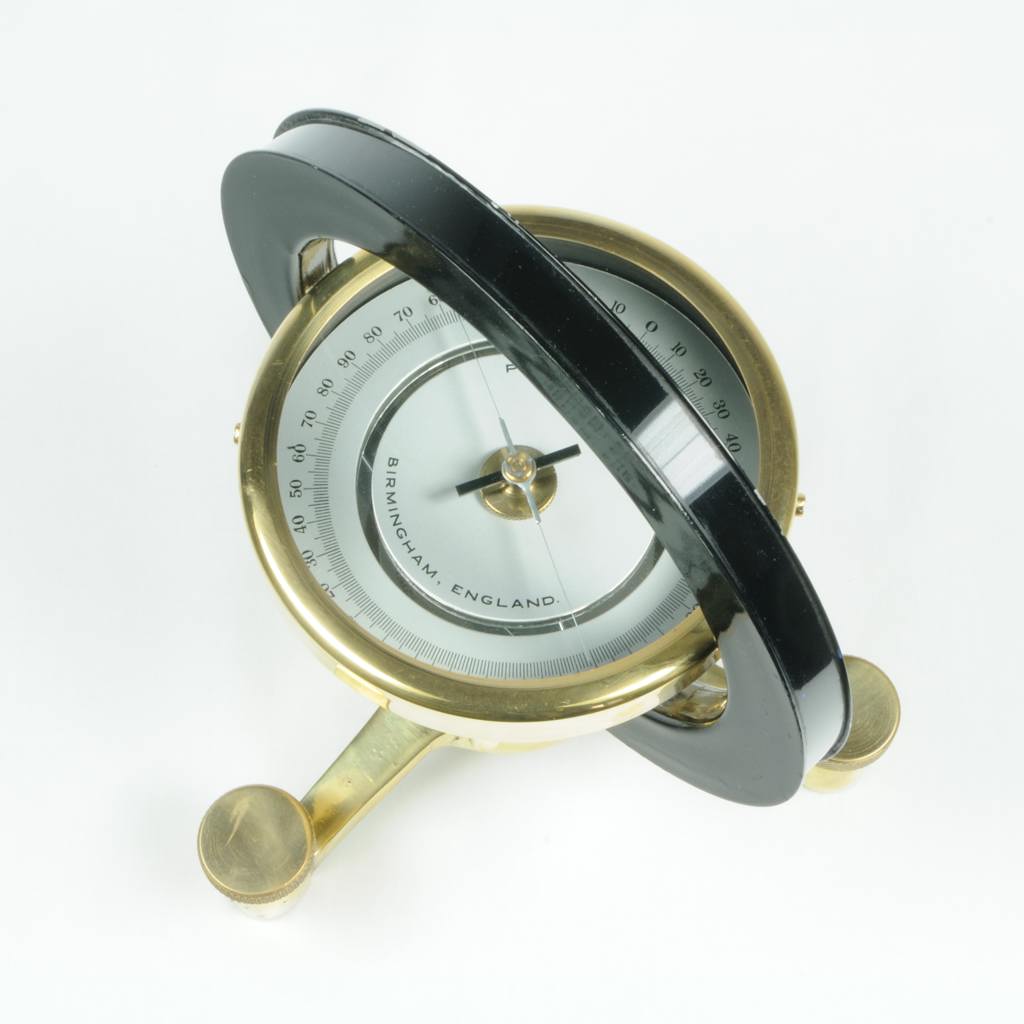
A galvanometer is an analog instrument originally designed to detect and measure small amounts of electric current. In its classic form it converts a current flowing through a coil into a small rotary deflection of a pointer or mirror, allowing a user to read the current or sense its presence. The device gave its name to a class of meters used as an ammeter and to mechanisms that use the same basic moving-coil principle.
Image gallery
10 Images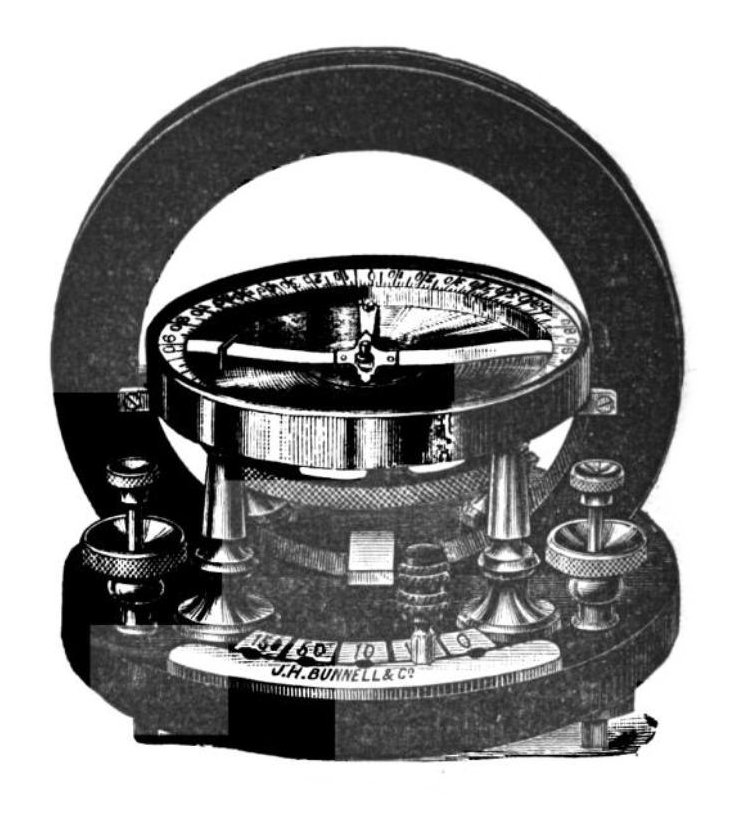


Design and operation
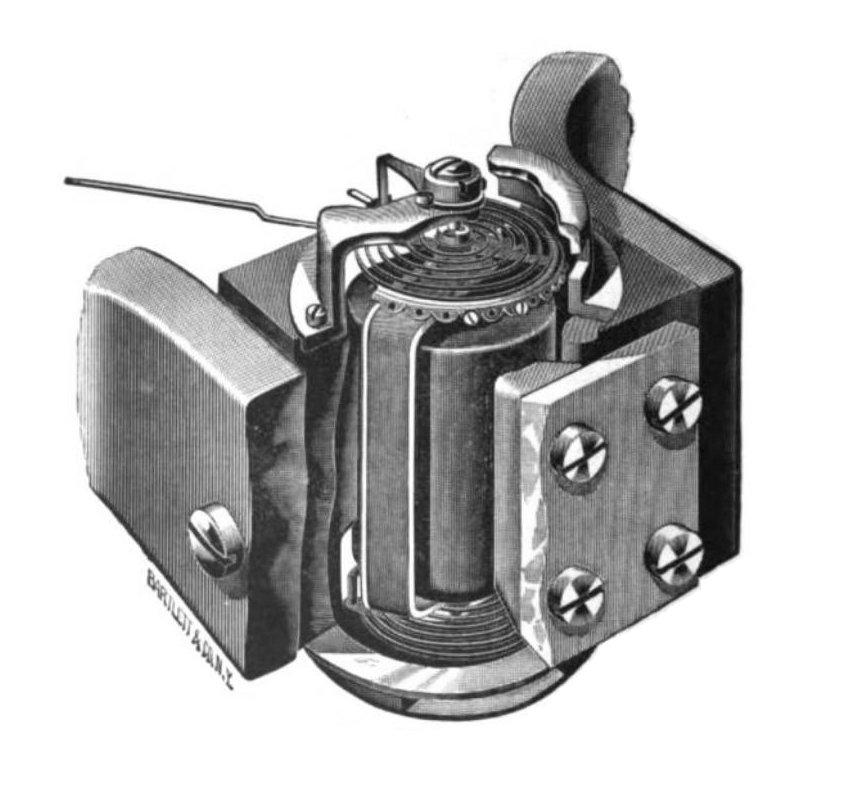
Most galvanometers rely on the interaction between a magnetic field and an electric current. A coil attached to a pointer or mirror is suspended in the field of a permanent magnet or electromagnet. When current flows through the coil, a torque is produced and the coil rotates against a restoring force provided by hairsprings or flexures. The angular deflection is proportional to the current over a limited range, so the instrument provides a continuous analog indication.
Common types
- Moving-coil (D'Arsonval) galvanometer: the coil moves in a fixed magnetic field and is widely used for sensitive measurements and laboratory instruments.
- Moving-magnet galvanometer: the magnet moves while the coil is fixed; useful where low moving mass is desired.
- Mirror or optical galvanometer: a small mirror attached to the moving element reflects a light beam to amplify tiny deflections; used for very low currents and in precision experiments.
History and development
The instrument's name honors the pioneering experiments of early researchers in bioelectricity and electrophysiology, such as Luigi Galvani, whose work stimulated interest in electrical phenomena. Later refinements in magnetic materials, suspension methods and optical amplification produced galvanometers that could detect extremely small currents and serve as standard laboratory devices before the advent of electronic amplifiers.
Uses and significance
Galvanometers have been used as sensitive null detectors in bridge circuits, in early telegraph and telephone equipment, and as the movement element in analog meters. The same moving-coil mechanism is also adapted for modern roles: precision positioners, optical beam scanners and feedback servos—often still called "galvanometers" in industry when they control angular position.
Notable characteristics and distinctions
Key qualities include sensitivity (ability to detect small currents), linearity of deflection, damping (to avoid oscillation), and restoring torque. While electronic instruments and digital sensors have replaced many traditional galvanometers for routine measurement, the basic electromechanical principle remains important where direct, low-noise mechanical indication or rapid controlled angular motion is required.
Questions and answers
Q: What is a galvanometer?
A: A galvanometer is a type of ammeter that is used to detect and measure electric current.
Q: Who is the person after whom galvanometer is named?
A: Galvanometer is named after Luigi Galvani.
Q: What type of output does a galvanometer produce in response to electric current?
A: In response to electric current flowing through its coil, a galvanometer produces a rotary deflection.
Q: What is the range of deflection produced by a galvanometer?
A: A galvanometer produces a limited arc of deflection.
Q: What are some other uses of the mechanism used in a galvanometer?
A: The same mechanism used in a galvanometer is used in recording, positioning, and servomechanism equipment.
Q: Is a galvanometer a digital or analog device?
A: A galvanometer is an analog electromechanical transducer.
Q: What is the purpose of a galvanometer?
A: The purpose of a galvanometer is to measure and detect electric current.
Related articles
Author
AlegsaOnline.com Galvanometer: instrument for detecting and measuring electric current Leandro Alegsa
URL: https://en.alegsaonline.com/art/37346