
Futon (traditional Japanese bedding and its modern forms)
A futon is a traditional Japanese sleeping system—thin mattress, quilt and pillow—designed for flexibility and space-saving. The term also covers modern variants, including Western-style sofa-futons.
The futon is a traditional Japanese bedding system composed of a padded mattress placed on the floor, a covering quilt, and a small pillow. Designed to be rolled or folded and stored away during the day, futons historically supported a flexible use of living space in Japanese homes. The word futon in Japanese has a broad meaning and is commonly used to refer to going to bed or to bedding in general.
Image gallery
10 Images
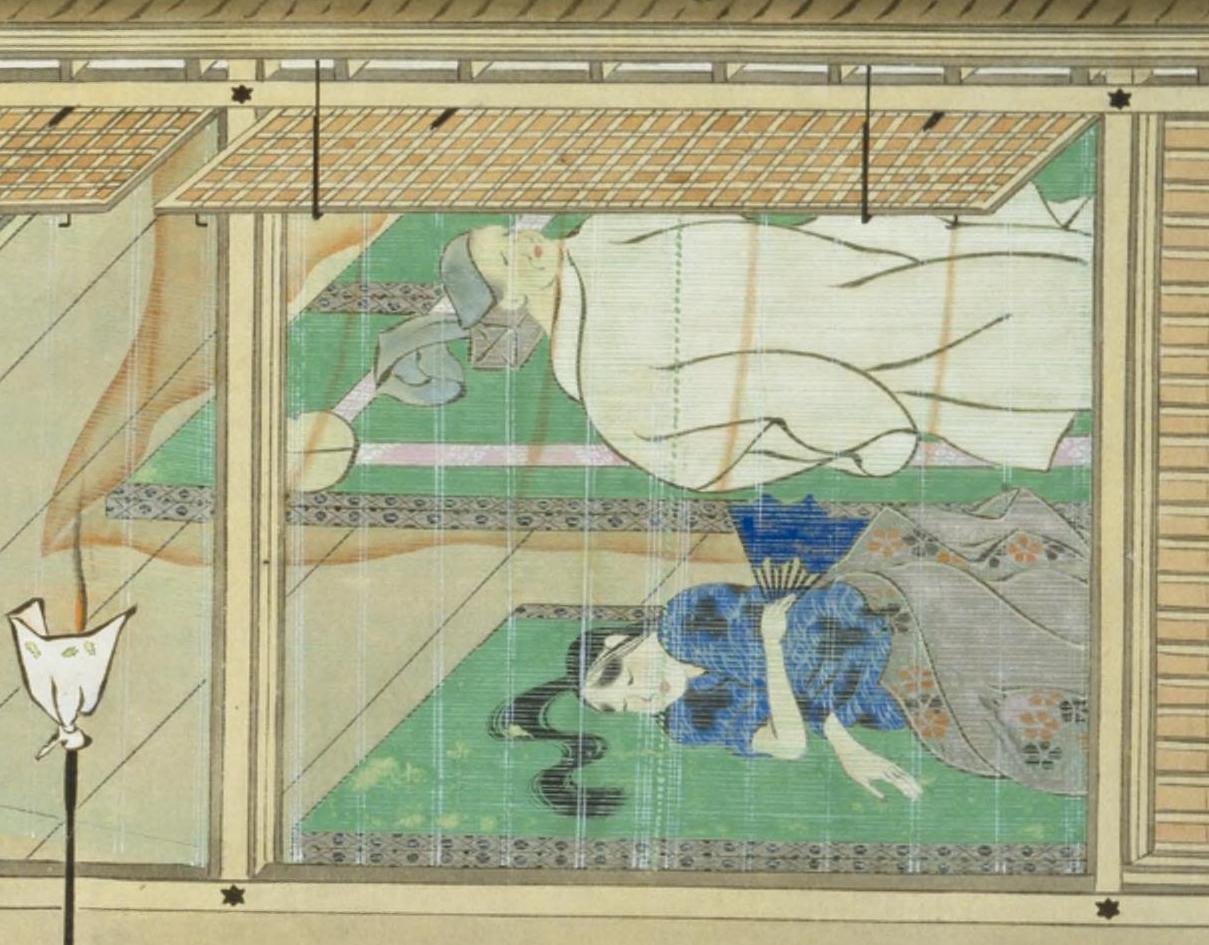


Core components and characteristics
A standard traditional futon typically includes:
- Shikibuton — a relatively thin, padded mattress laid directly on tatami or wooden floors.
- Kakebuton — a quilt or duvet used as a top covering for warmth.
- Makura — a small pillow, often filled with buckwheat hulls (sobakawa) or other natural materials.
Traditional futons are generally thinner and lighter than Western-style mattresses, enabling them to be folded, rolled, and stored in a closet (oshiire) when not in use. Many households air futons outdoors in sunlight to reduce moisture and refresh the filling.
History and cultural role
Futons have been used in Japan for centuries and became widespread in the early modern period. Their design evolved to suit living spaces built with tatami flooring and sliding doors, where rooms serve multiple purposes. Because futons can be stowed away, they contributed to a flexible, minimalist domestic layout and remain associated with traditional Japanese interiors.
Modern variations and international influence
In contemporary Japan, people sleep on a range of surfaces including Western-style beds and traditional futons. Outside Japan, the word "futon" often refers to a convertible sofa or mattress placed on a folding frame. Western-style futons tend to feature thicker cushioning, foam or innerspring cores, and wooden or metal sofa frames rather than being stored in closets. Retail and design contexts have blended features from both traditions.
Care, use, and notable distinctions
Proper futon care usually involves regular airing and occasional beating to remove dust and moisture. Because traditional futons are thinner, they are often placed on tatami mats for support; using them on bare floors may require a protective layer. When researching or purchasing, note the difference between a Japanese shikibuton and Western "futon" furniture: one is a floor bedding system rooted in a cultural practice, the other is a piece of convertible seating and sleeping furniture adapted for different interiors.
For more background on traditional Japanese bedding and contemporary adaptations, see related resources.
Questions and answers
Q: What is a futon?
A: A futon is traditional Japanese bedding made up of a padded mattress, a quilt, and a pillow filled with beans.
Q: What is a shikibuton?
A: A shikibuton is a padded mattress used in a futon.
Q: What is a kakebuton?
A: A kakebuton is a quilt used in a futon.
Q: What is a makura?
A: A makura is a pillow filled with beans used in a futon.
Q: How do you use a futon?
A: A futon is put on the floor at night for sleeping and can be easily rolled up during the day when not in use.
Q: What does the word "futon" mean to many Japanese people?
A: To many Japanese people, the word "futon" means to go to bed, even if they sleep in a bed.
Q: What does the word "futon" refer to now?
A: The word "futon" now refers to things that Japanese people sleep on, including beds.
Author
AlegsaOnline.com Futon (traditional Japanese bedding and its modern forms) Leandro Alegsa
URL: https://en.alegsaonline.com/art/37093
Sources
- gojapan.about.com : "Traditional Japanes Futon"
- japan-guide.com : "Japanese furniture"