
Function (biology)
An overview of biological function: definitions, philosophical accounts, examples in organisms, evolutionary origins, medical relevance, and how function differs from purpose.
Overview
In biology, the term "function" describes what a part of an organism — a cell, tissue, organ, molecule or behavior — does in the context of the whole living system. It captures how that part contributes to the survival, maintenance, reproduction or overall organization of the organism. For a concise working definition see general treatments of function. Function statements are central to physiology and related fields: for example, textbooks often say that the kidneys remove metabolic wastes or that the heart pumps blood to supply tissues with oxygen.
Image gallery
4 Images
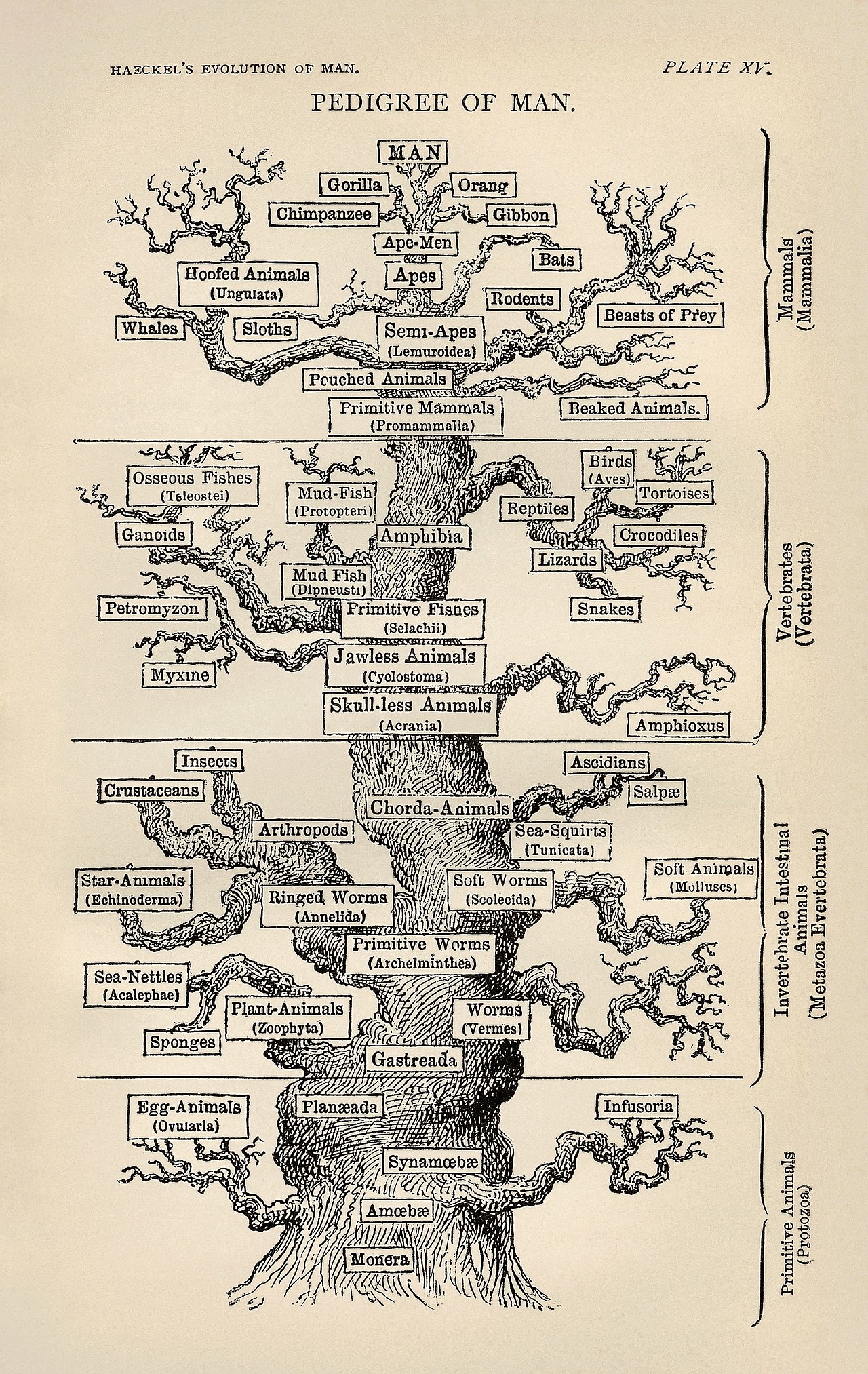


Philosophical and scientific accounts
There are several ways scientists and philosophers frame biological function. A common practical view is the causal-role account: a part's function is the causal job it performs within a system. A second influential perspective is the etiological or selected-effects account, which ties function to historical processes of natural selection: a feature's function is the effect for which it was selected. Discussions of these views often refer to debates about teleology and apparent purpose in living systems; see treatments of natural selection and teleological language (teleology) for background.
Typical examples and scales
Functions are described at many organizational levels. Examples include:
- Subcellular: an enzyme's function might be to catalyze a specific biochemical reaction; see notes on cellular components (cells and parts).
- Organ systems: the lungs' function is gas exchange between blood and air.
- Behavioral: a mating display can have the function of attracting partners.
- Ecological: the function of a keystone species may be to regulate community structure.
Evolutionary origin and proper function
When function is framed evolutionarily, it becomes linked to fitness consequences over ancestral lineages: a trait's "proper function" can be described as the contribution that historically increased reproductive success. However, not every current use of a trait reflects that history. Exaptations — traits co-opted for new uses — and spandrels — byproducts of other adaptations — complicate simple mappings between current activity and evolutionary origin.
Medical, practical and conceptual importance
Clear statements of function support diagnosis and treatment in medicine (identifying when an organ is not performing its function), guide engineering inspired by biology (biomimetics), and shape experimental design in physiology. Distinguishing function from mechanism helps: mechanism explains how something produces an effect, while function names the effect or role in the broader system.
Distinctions and notable caveats
Several important distinctions are commonly emphasized:
- Function versus purpose: "purpose" suggests intentional design, whereas biological function is typically explained without invoking intention; see background on teleological language (teleology) and evolutionary explanations (natural selection).
- Proper function versus current effect: a feature may have effects it was not selected for.
- Descriptive versus normative uses: scientists use function descriptively in hypotheses, but claims about what a part "should" do can carry normative overtones in medicine and engineering.
For further introductory resources on how function is used in biology and philosophy of biology, consult general surveys and textbooks (physiology and excretion examples, conceptual overviews, cell biology references). For applied perspectives, see materials on organ systems and clinical function (physiology, cardiovascular function).
Questions and answers
Q: What is function in biology?
A: Function in biology refers to what a part of the body or cell does in relation to the whole.
Q: How does natural selection relate to function in biology?
A: Natural selection is the reason for some part or process occurring in a system that evolved, ultimately determining that component's function in that system.
Q: What is the definition of the function of a component in an organism?
A: The function of a component in an organism is the contribution it makes to that organism's fitness.
Q: In what field is the term "function" used especially?
A: The term "function" is used especially in physiology.
Q: Can the word "purpose" be used interchangeably with "function" in biology?
A: No, it is incorrect to use the word "purpose" instead of "function" in biology because it implies forethought.
Q: Can you give an example of the use of the term "function" in physiology?
A: Sure, the function of the kidneys is to excrete urea from the body, and the function of the heart is to push blood around the body.
Q: What does it mean for a component to contribute to an organism's fitness?
A: When a component contributes to an organism's fitness, it means that it helps the organism survive and reproduce in its environment.
Related articles
Author
AlegsaOnline.com Function (biology) Leandro Alegsa
URL: https://en.alegsaonline.com/art/37013