
Fulk IV of Anjou (1043–1109) — Count known by the epithet le Réchin
Fulk IV of Anjou (1043–1109), nicknamed le Réchin, was Count of Anjou from 1068 after seizing power from his brother; a combative ruler whose long tenure secured Angevin succession and fathered Fulk V.
Fulk IV (1043–1109), commonly known by the Old French epithet le Réchin, was a French noble who seized control of the county of Anjou from his elder brother in the 11th century. He came to power after rebelling against Geoffrey III and held the county for several decades.
Image gallery
4 Images


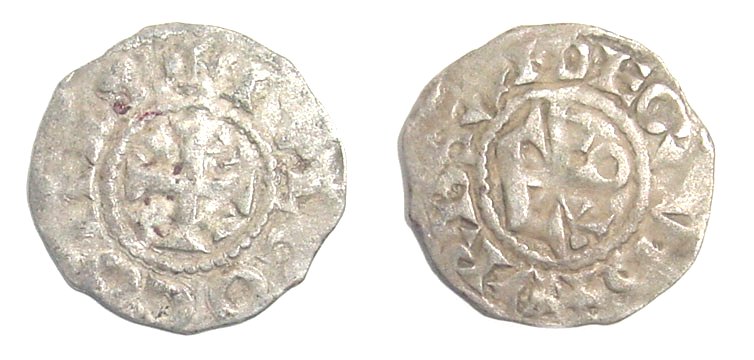
Background and rise to power
Born in 1043 into the Angevin ruling family, Fulk IV challenged his elder brother Geoffrey III for the leadership of their house. Through military action and political maneuvering he removed Geoffrey from office and assumed the title of Count of Anjou in 1068. His takeover was part of a wider pattern of regional conflict among the nobility of northwestern France during the period.
Rule and activities
Fulk's long tenure as count was marked by frequent local warfare, defensive works, and efforts to secure Angevin authority against rivals. Contemporary chroniclers and later historians describe him as a combative and energetic ruler who spent much of his reign on campaigns or organizing the county's defenses. He also engaged in the complex dynastic and ecclesiastical politics of his day, sometimes clashing with church authorities and neighboring lords.
Family and succession
Fulk IV fathered heirs who continued the Angevin line; his son succeeded him as count. That successor, Fulk V, later achieved greater prominence outside Anjou. The succession kept the county within the same family and set the stage for the Angevins' rising influence in the 12th century.
Legacy
- Born: 1043
- Died: 1109
- Nickname: le Réchin (a term often rendered as “the quarrelsome” or “the wrangler”)
- Seized the title of Count of Anjou from Geoffrey III in 1068
- Father of Fulk V, who succeeded him as count
Fulk IV is remembered as a forceful medieval prince whose long rule helped sustain the Angevin domain through a turbulent period and prepared the way for his descendants' later prominence in both France and abroad.
Questions and answers
Q: Who was Fulk IV?
A: Fulk IV was a French nobleman who was the Count of Anjou from 1068 until he was deposed in 1096.
Q: What was Fulk IV's nickname?
A: Fulk IV was called le Réchin.
Q: What did Fulk IV do to become the Count of Anjou?
A: Fulk IV rebelled against his older brother Geoffrey III and took the countship of Anjou by force.
Q: When was Fulk IV born?
A: Fulk IV was born in 1043.
Q: When was Fulk IV deposed as the Count of Anjou?
A: Fulk IV was deposed as the Count of Anjou in 1096.
Q: Did Fulk IV have any siblings?
A: Yes, Fulk IV had an older brother named Geoffrey III.
Q: What was Fulk IV's title?
A: Fulk IV was the Count of Anjou.
Related articles
Author
AlegsaOnline.com Fulk IV of Anjou (1043–1109) — Count known by the epithet le Réchin Leandro Alegsa
URL: https://en.alegsaonline.com/art/36962