
Amusement arcade: public places for coin‑op games, pinball and video cabinets
An amusement arcade is a public venue offering coin‑operated entertainment such as video game cabinets, pinball, redemption and slot machines; popular historically and evolving into modern game centers and barcades.
An amusement arcade is a commercial venue where people play coin‑operated entertainment machines. Traditional arcades house a variety of devices: upright and sit‑down video game cabinets, electro‑mechanical machines such as pinball, skill and chance devices, ticket redemption games, and sometimes gambling machines. Arcades served as social meeting places for children, teenagers and adults alike, offering short, pay‑per‑play experiences rather than the ownership model of home consoles.
Image gallery
8 Images


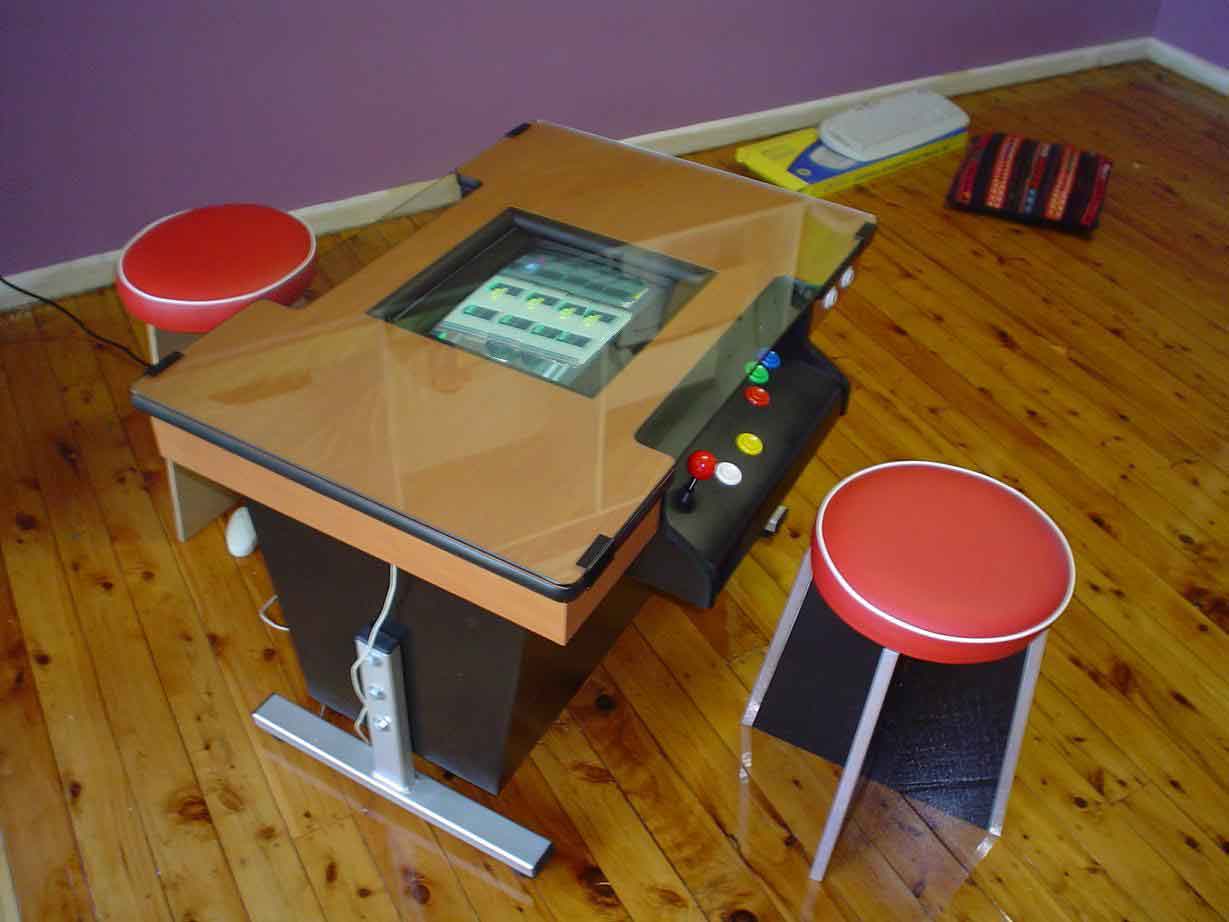

Common machines and layout
Typical arcades contain a mixture of game types organized in banks or zones. Common examples include:
- Video game cabinets: single‑player or multiplayer units with joysticks, buttons, steering wheels, or light guns. See classic video games and their cabinets for examples.
- Pinball machines: durable mechanical‑electrical games with flippers, bumpers and scoring displays; a staple since the mid‑20th century (pinball).
- Redemption and prize games: claw machines, skee‑ball, ticket dispensers and other games that award tickets for prizes.
- Gambling and amusements of chance: in some jurisdictions arcades include slot or fruit machines (slot machines), though these are subject to local regulation.
- Other attractions: photo booths, crane machines and novelty simulators.
History and development
The arcade tradition traces back to 19th‑century penny arcades that featured mechanical amusements and bagatelles. Through the 20th century, coin‑op entertainment evolved with electromechanical games and the golden age of arcades in the late 1970s and early 1980s, when dedicated arcade games drew large youth audiences. As home consoles and personal computers advanced in the 1990s, many western arcades declined, while dense urban markets sustained venues focused on skill and social play.
Arcades remain prominent in several regions worldwide; in particular, Japanese game centers continue to operate large multi‑floor facilities with a wide range of titles and prize floors (Japan). In recent years a revival has occurred in the form of retro arcades, bar‑arcades ("barcades"), and venues that combine modern esports cabinets and local tournaments.
Modern payment systems have also changed the business model: tokens gave way to rechargeable cards, contactless payments and smartphone integrations that track credits and player profiles. Maintenance, parts supply and software updates are ongoing operational concerns for owners, as is compliance with local laws governing age limits and gambling.
Arcades are notable for their social and cultural role: they fostered competitive high‑score culture, coin‑op craftsmanship, and local communities of players. Preservationists and hobbyists now restore vintage cabinets and organize tournaments and museums to keep the history alive. For readers seeking detailed catalogs or examples, specialized resources and museums maintain listings of classic machines and their technical specifications (arcade games, video games).
While their form and popularity have shifted over time, amusement arcades continue to adapt by blending nostalgia, social spaces, and modern gaming technology to offer experiences distinct from home entertainment.
History
The first arcades appeared as early as the late 19th century, see Penny Arcade (gambling house).
Statistics
In 2016, there were 9,102 arcade locations in Germany with 14,877 licensed arcades and 155,075 gaming machines, representing a decrease of approximately 2% compared to 2014. In 2018, the supply reduced again, to 8,836 sites, 13,666 licences and 143,525 amusement machines. Gaming halls are subject to the gaming machine tax or gaming amusement tax, the amount of which varies from municipality to municipality. The revenue from gaming machine tax increased significantly in recent years from €201 million (2006) to €1,071 million (2018). In 2019, the gaming machine tax amounted to 997 million euros.
In December 2019, the EU Commission opened a formal state aid investigation against Germany for alleged financial aid to WestSpiel after an investigation found that casinos are in direct competition with gaming arcades.
Questions and answers
Q: What is an amusement arcade?
A: An amusement arcade is a place where people play arcade games, such as video games, pinball machines, and slot machines.
Q: When were "penny arcades" first introduced, and what kind of games did they have?
A: "Penny arcades" were introduced in the nineteenth century and had game machines called "bagatelles," which were similar to billiards and pinball.
Q: How long were penny arcades popular, and what replaced them around the 1950s?
A: Penny arcades were popular at amusement parks and fairs until around the 1950s. They were often replaced by more modern games of chance and skill such as shooting galleries.
Q: What was introduced in amusement arcades in the late 1970s, and when were they most popular?
A: Videos were introduced in amusement arcades in the late 1970s. They were most popular during the early 1980s.
Q: Who did arcades become popular with?
A: Arcades became popular with young people.
Q: Why did many video arcades begin closing in the late 1990s?
A: Many video arcades began closing in the late 1990s as the technology of home video game consoles began to rival and eventually exceed that of arcade games.
Q: Where are video arcades still popular today?
A: Video arcades are still popular in Japan, where they are called game centers.
Related articles
Author
AlegsaOnline.com Amusement arcade: public places for coin‑op games, pinball and video cabinets Leandro Alegsa
URL: https://en.alegsaonline.com/art/3691