
Fuck tha Police — N.W.A protest song and cultural impact
A 1988 protest track by American hip hop group N.W.A, 'Fuck tha Police' criticizes police brutality and racial profiling, triggered censorship debates and remains influential across music and protest culture.
Overview
"Fuck tha Police" is a provocative protest track recorded by the American hip hop collective N.W.A for their 1988 album Straight Outta Compton. Performed in a confrontational rap style, the song articulates anger and frustration toward law enforcement practices perceived as discriminatory and abusive. It is widely cited as one of the defining protest songs in late 20th‑century popular music.
Image gallery
1 Image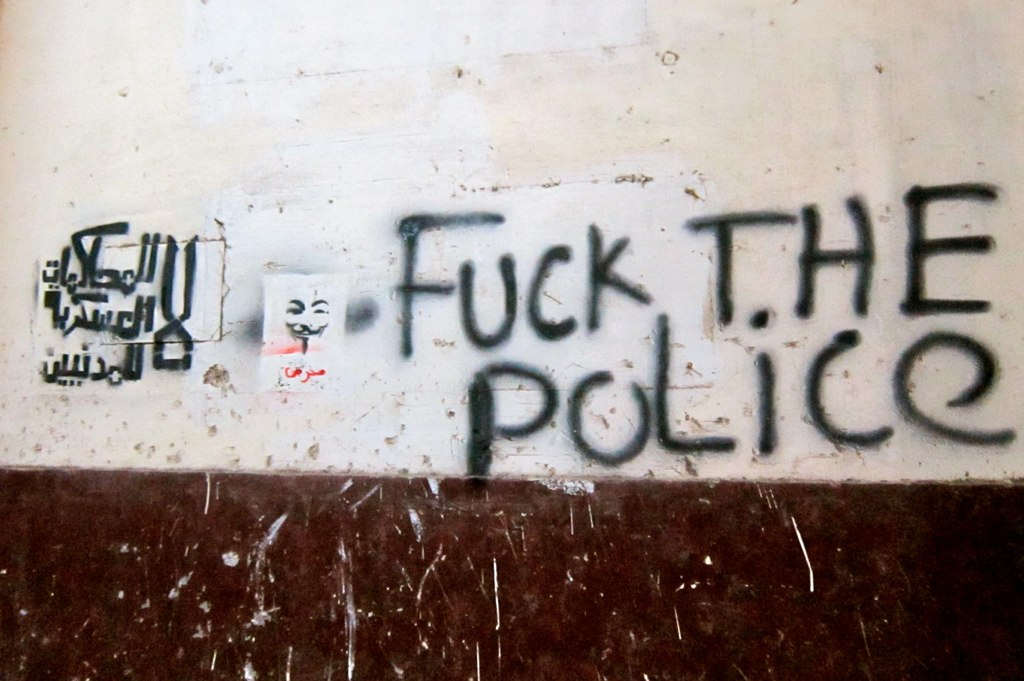
Musical approach and lyrics
The composition blends hard‑rhythmed beats with spoken and rapped verses that adopt a dramatized, accusatory perspective. Vocally, members take turns delivering narrative passages that frame encounters with police as repeated harassment and injustice. The lyrics focus on themes such as excessive force, stop‑and‑frisk encounters, and what the group and many listeners describe as institutional bias and racial profiling.
Release, controversy and response
Because of its explicit language and direct attacks on police, the song provoked strong reactions from authorities, broadcasters and the public. Some radio stations refused to play it, and its blunt title and content prompted debates about censorship, free expression and artistic responsibility. The track also attracted official scrutiny and was reported to have drawn attention from federal authorities, intensifying discussion about music, politics, and policing in the United States.
Cultural impact and uses
The track's chorus and title phrase entered broader popular culture, appearing on protest signs, t-shirts and visual art, and being quoted or referenced in other music and media. Activists and demonstrators have used the song and its slogan during protests calling for police reform. Its place in the history of politically charged hip hop has made it a touchstone for conversations about race, law enforcement, and the power of street‑level expression.
Notable covers and references
- The song has been performed and reinterpreted by other artists, sometimes as direct covers or as samples and tributes. For example, rock band Rage Against the Machine and hip hop act Bone Thugs‑n‑Harmony are among those associated with public versions or performances that reference the original.
- Its presence has crossed genres and mediums, influencing documentary soundtracks, live protests, and academic discussion about music's role in social movements.
Legacy and distinctions
Today the song is remembered both for its musical influence within hip hop and for igniting larger debates about policing and free speech in popular culture. While supporters argue it gave voice to lived experiences of police misconduct, critics questioned its confrontational tone. Regardless of perspective, the track stands as a historically significant example of how music can shape public conversation and activism.
For further reading on the group and the late‑1980s Los Angeles scene that produced the record, see artist biographies and contemporary accounts of the era of American urban music and protest.
Questions and answers
Q: What is "Fuck tha Police"?
A: "Fuck tha Police" is a protest song from American hip hop group N.W.A.
Q: When was the song released?
A: The song was released in 1988 and is included on the group's studio album, Straight Outta Compton.
Q: What is the message of the song?
A: The lyrics of the song protest police brutality and racial profiling.
Q: What is the impact of the song on pop culture?
A: The "Fuck the Police" slogan continues to influence pop culture in the form of songs, T-shirts, and artwork.
Q: Who else has covered the song?
A: Rage Against the Machine and Bone Thugs-n-Harmony have both covered the song.
Q: What album was the song also included on?
A: The song was also included on N.W.A's Greatest Hits album.
Q: What was the general response to the song when it was released?
A: The general response to the song was controversial, with some calling it a provocative and necessary piece of social commentary, while others criticized it for promoting violence and disrespect towards law enforcement.
Related articles
Author
AlegsaOnline.com Fuck tha Police — N.W.A protest song and cultural impact Leandro Alegsa
URL: https://en.alegsaonline.com/art/36888
Sources
- allmusic.com : "F*ck tha Police" · web.archive.org