
Front 242 — Belgian pioneers of Electronic Body Music (EBM)
Front 242 is a Belgian electronic music group formed in 1981, credited with shaping electronic body music through rhythmic sequencers, sampling and forceful live performances influential to industrial and dance scenes.
Overview
Front 242 is an electronic music group originally formed in Aarschot, Belgium. Emerging in the early 1980s, the band became associated with a style later called electronic body music (EBM), a blend of harsh industrial textures and club-oriented rhythms. They are widely regarded as one of the most visible and influential acts from the European electronic and industrial scenes of that era.
Image gallery
4 Images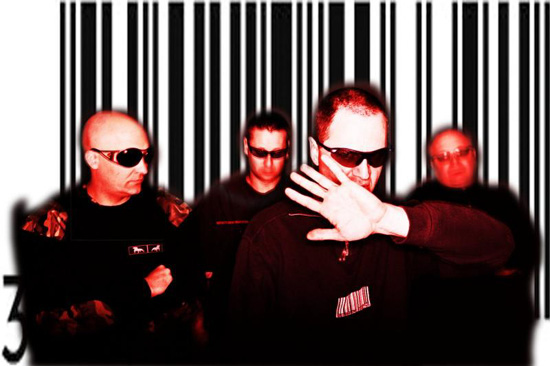

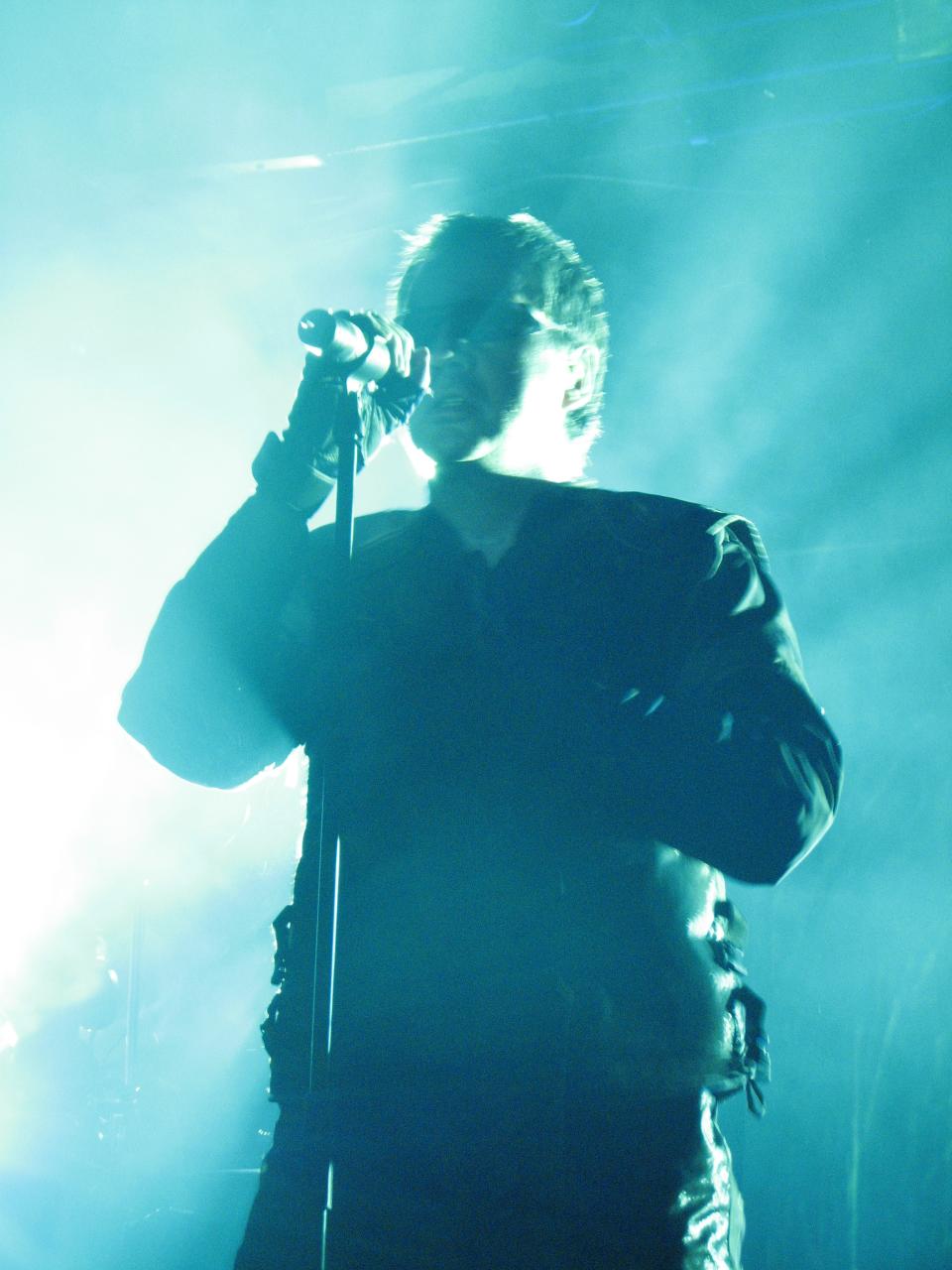
Musical characteristics
The group's sound emphasizes driving sequenced basslines, rigid drum machine patterns, layered synths, and an austere vocal delivery. They made heavy use of sampling, repetition, and production techniques that foregrounded rhythm and danceability as much as atmosphere. The aesthetic frequently combines minimalist electronic arrangements with a precise, sometimes militaristic visual presentation onstage and in promotional imagery, reinforcing the mechanical pulse of their music.
Formation and personnel
Front 242 began when producer-musician Daniel Bressanutti and guitarist/employee Dirk Bergen paired with another duo formed by Patrick Codenys and vocalist Jean-Luc De Meyer. The two duos consolidated their work in the early 1980s. Not long after the merger, Dirk Bergen departed and Richard Jonckheere, known by his stage name Richard 23, joined as a vocalist and performer. This lineup — Bressanutti, Codenys, De Meyer and Richard 23 — became the core that produced the band’s most influential recordings and live appearances.
Key releases and development
Throughout the mid-to-late 1980s Front 242 released several records that expanded their audience beyond Belgium. Notable releases from this period included early albums and EPs that shaped the EBM vocabulary, followed by a commercially prominent album and singles that reached clubs and alternative radio stations across Europe and North America. In the late 1980s they signed distribution and label agreements that widened their presence: a European affiliation with Red Rhino and a North American relationship with Wax Trax! Records, which helped introduce their work to U.S. audiences.
Live performance and image
Live shows by Front 242 became known for their disciplined delivery, tight synchronization of electronic elements and a stage image that echoed the machine-like precision of their sound. Visuals and clothing choices often referenced industrial and military motifs, contributing to a striking concert experience. These performances reinforced the band’s reputation as a group that treated electronic music with the same intensity and ritual as rock and industrial acts of the period.
Influence, distinctions and legacy
Front 242 is frequently cited as a foundational influence on subsequent EBM, industrial, and electronic dance acts. Their approach—melding club rhythms with harsher sonic textures—helped open pathways for artists working at the intersection of electronic dance music and industrial experimentation. The term "electronic body music" became attached to a wider movement of bands and producers who adopted similar tempos, sequencing and performance practices. For further context on the style and its history see general resources on electronic music and EBM; for the band’s hometown see Aarschot and related regional histories. Additional reading and archival materials can be found through label and genre overviews electronic music and specialized EBM summaries electronic body music.
- Founding year: early 1980s (formed in 1981).
- Core members: Daniel Bressanutti, Patrick Codenys, Jean-Luc De Meyer, Richard 23 (Richard Jonckheere).
- Labels that increased reach: Red Rhino (Europe), Wax Trax! (U.S.).
As a subject, Front 242 illustrates how electronic production techniques and a focused stage persona can create a genre-defining body of work that continues to be referenced by contemporary electronic and industrial musicians. Their catalog and live recordings remain points of reference for students of late 20th-century electronic subcultures and club music history.
Questions and answers
Q: Who is Front 242?
A: Front 242 is a Belgian electronic music group famous during the 1980s and known for being a pioneer of electronic body music and an influence on the electronic and industrial music genres.
Q: Who formed Front 242 and when?
A: Front 242 was formed in 1981 in Aarschot, Belgium, by Daniel Bressanutti and Dirk Bergen.
Q: Was Front 242 always a duo?
A: No, Patrick Codenys and Jean-Luc De Meyer had also formed a group called Under Viewer at around the same time, and the two duos later joined together in 1982.
Q: Was there any changes in the band's lineup?
A: Yes, in 1983, Dirk Bergen left the band and Richard Jonckheere, called Richard 23, joined as vocalist.
Q: Did Front 242 sign with any record labels?
A: Yes, in 1987, Front 242 signed with Wax Trax! Records in the U.S. and Red Rhino in Europe.
Q: What is electronic body music?
A: Electronic body music is a music genre that combines elements of industrial, electronic dance music, and synth-punk.
Q: What influence did Front 242 have on the music industry?
A: Front 242 is considered to be an influential band in the electronic and industrial music genres.
Related articles
Author
AlegsaOnline.com Front 242 — Belgian pioneers of Electronic Body Music (EBM) Leandro Alegsa
URL: https://en.alegsaonline.com/art/36821
Sources
- allmusic.com : "Front 242"
- front242.com : "Band"