
Friend of Dorothy — historical euphemism for gay identity
A mid-20th-century euphemism, 'friend of Dorothy' (FOD) was a discreet way to indicate a gay man or LGBT ally. The phrase draws on cultural associations and reflects hidden networks formed under persecution.
Friend of Dorothy is a historical English-language euphemism that signaled a person’s affiliation with gay men or, more broadly, the LGBT community. Commonly abbreviated as FOD, the phrase was used as a covert way to ask about or declare sexual orientation at times and in places where homosexual conduct was criminalized or socially dangerous. Its meaning is context-dependent and has evolved as LGBT visibility and language have changed.
Image gallery
3 Images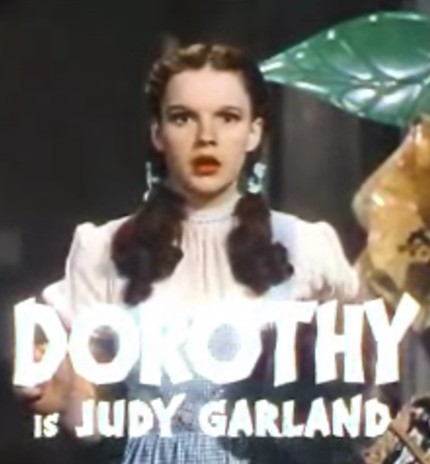


Origins and main theories
The exact origin of the expression is uncertain. The most widely cited source links the phrase to the character Dorothy Gale from the 1939 film The Wizard of Oz and, by extension, to Judy Garland — who became an enduring gay icon. Fans and researchers point to Garland’s popularity and the film’s themes of friendship and acceptance as reasons the name Dorothy became associated with gay communities. Other proposals suggest connections to literary figures named Dorothy or to slang practices within military and urban subcultures. Documented usage goes back at least to the World War II era, when coded language helped people identify one another safely.
How it was used
In conversation, asking whether someone was a “friend of Dorothy” allowed speakers to inquire about sexual orientation without stating it explicitly. The phrase appeared in spoken networks, private letters, and oral histories rather than formal documents. Abbreviated forms such as FOD circulated among friends and in gay meeting places. Because it relied on shared cultural references, the term could function as both a question and a discreet affirmation of membership in an informal social circle.
Cultural significance
Beyond its literal use, the expression highlights broader patterns of concealment and coded communication that shaped LGBT life in the 20th century. The association with Judy Garland and The Wizard of Oz reflects how popular culture can supply symbols for marginalized communities. Over time, as social acceptance increased and legal protections expanded in many countries, such euphemisms lost much of their practical necessity, though they remain of interest to historians and cultural studies scholars.
Related terms and notable points
- FOD: common abbreviation encountered in memoirs and oral histories.
- Covert language: terms like this are examples of how communities create safe speech when disclosure is risky.
- Modern relevance: today the phrase is chiefly historical or playful; contemporary communities use different self-descriptions.
For more on historical usage and popular-culture connections, see sources that discuss mid-20th-century slang and LGBT history. General overviews of wartime and postwar gay life are available through several reference works and archives (reference 1, reference 2), while studies of Judy Garland’s cultural impact provide context for the Dorothy association (reference 3). For discussions of coded language and identity in oral history, consult specialized collections and introductions to LGBT historiography (reference 4).
Because the phrase developed within communities under threat, accounts of its use often rely on oral testimony and period documents rather than a single authoritative origin story. Scholars and readers should treat specific origin claims cautiously and recognize the phrase as part of a larger history of coded communication among marginalized groups.
Questions and answers
Q: What is a "friend of Dorothy"?
A: In gay slang, a "friend of Dorothy" is a term for a gay man.
Q: Where does the phrase "friend of Dorothy" originate from?
A: The phrase "friend of Dorothy" dates back to at least World War II.
Q: Why was the phrase "friend of Dorothy" used during World War II?
A: Homosexual acts were illegal in the United States during World War II, and the phrase "friend of Dorothy" was a euphemism used for discussing sexual orientation without others knowing its meaning.
Q: What does the abbreviation FOD stand for in relation to "friend of Dorothy"?
A: FOD is an abbreviation for "friend of Dorothy."
Q: Who would have likely used the phrase "friend of Dorothy" during World War II?
A: It is likely that gay men would have used the phrase "friend of Dorothy" to discuss their sexual orientation.
Q: Is the phrase "friend of Dorothy" still in use today?
A: Yes, the phrase "friend of Dorothy" is still in use today as a term for a gay man.
Q: What is the significance of using euphemisms such as "friend of Dorothy"?
A: Euphemisms such as "friend of Dorothy" were used in the past as a way for the LGBTQ+ community to discuss their sexual orientation without fear of persecution, discrimination, or violence.
Author
AlegsaOnline.com Friend of Dorothy — historical euphemism for gay identity Leandro Alegsa
URL: https://en.alegsaonline.com/art/36729