
Freedom fighter
A freedom fighter seeks political self-determination or liberation for a group. The label covers diverse methods—from nonviolent protest to armed struggle—and its meaning depends on perspective and law.
Overview
A freedom fighter is commonly understood as an individual who works to secure political liberty, self-determination or independence for a community perceived as oppressed. This may involve efforts on behalf of an ethnic or cultural population, often referred to as a native ethnic group, and can include campaigns to establish an autonomous state or own nation and to achieve independence. Many people who identify as freedom fighters are motivated by forms of collective identity or patriotism often described as nationalist beliefs, though motives can also include civic, ideological or social goals.
Image gallery
2 Images
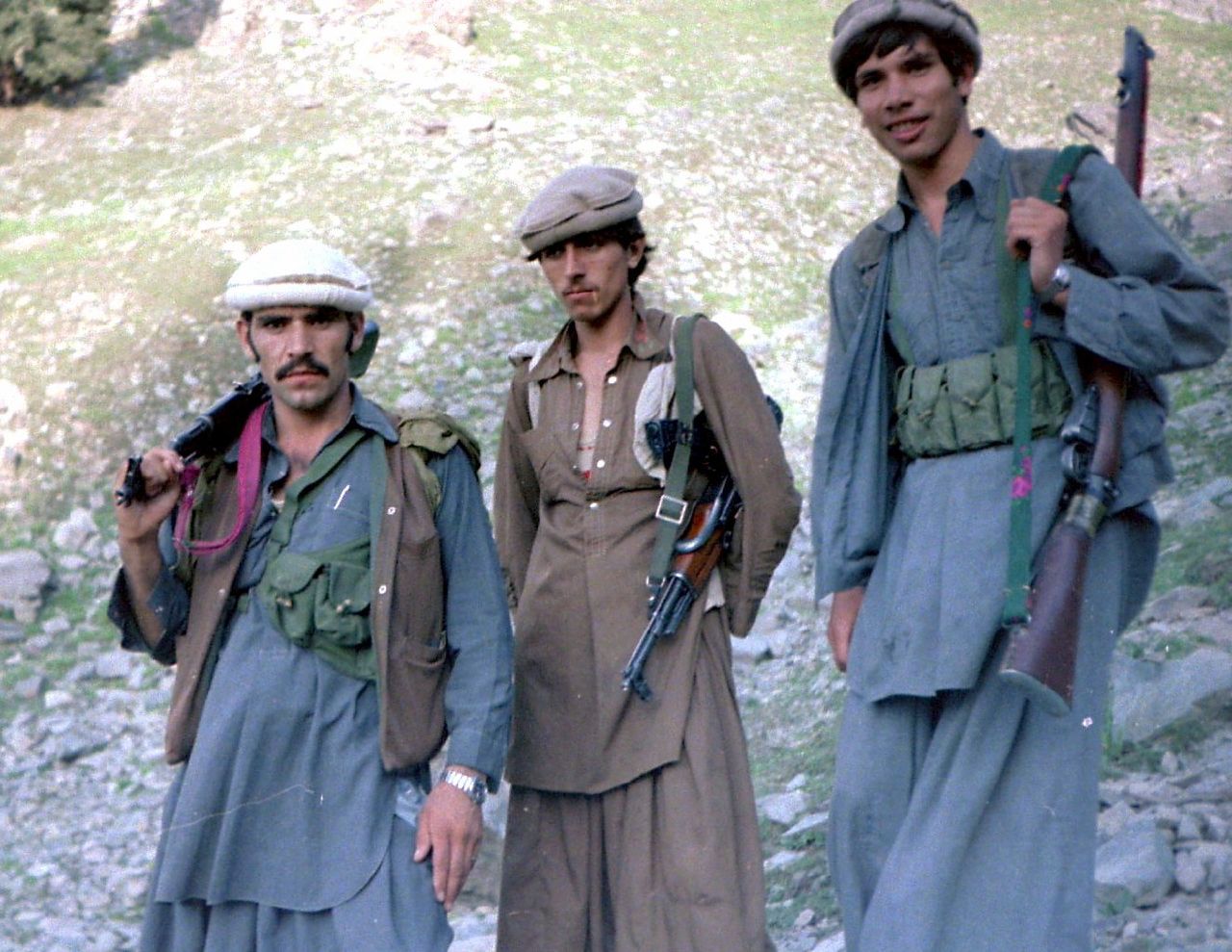
Perspective and terminology
The term is inherently subjective. Whether an armed or political actor is labeled a freedom fighter, insurgent, rebel, criminal or terrorist depends largely on the observer’s point of view, political alignment and legal framework. Because the label carries positive connotations of liberation, supporters typically use it to confer legitimacy, while opponents use pejorative terminology to delegitimize the same actors.
Methods and tactics
Movements described as freedom fighting have employed a range of tactics. Some deliberately strike at military targets or government installations, while others engage in nonviolent civil resistance. The distinction between combatant and civilian harm is central to public judgment: attacks that injure civilians are widely condemned and may lead to accusations of terrorism.
- Direct engagement with the opposing military or security forces.
- Property destruction or logistics disruption commonly known as sabotage.
- Organized, sustained nonviolent campaigns such as strikes, boycotts and civil disobedience.
Historical examples and notable figures
History provides a spectrum of actors called freedom fighters. Some are associated with armed anti-colonial struggles, others with civil-rights movements and nonviolent campaigns. Two widely cited examples of leaders known for nonviolent approaches are Mahatma Gandhi and the Dalai Lama, both of whom emphasize moral and political persuasion rather than armed force. Conversely, many national independence movements combined political organizing with armed resistance.
Legal, moral and political debates
The label intersects with international law, ethics and politics. International humanitarian law distinguishes combatants from civilians and prohibits deliberate attacks on noncombatants; when actions violate these norms, actors risk being tried for crimes. Public opinion, media framing and diplomatic recognition also shape whether movements gain legitimacy or are treated as criminal. Transitional processes—amnesties, truth commissions, negotiations—often determine how former combatants are incorporated into political life.
Distinctions and lasting significance
Freedom fighting is not a single phenomenon but a category that covers diverse strategies, aims and moral standings. Distinguishing between popular liberation movements and groups that use indiscriminate violence is important for historical analysis and policy. The term remains powerful because it condenses questions of justice, sovereignty and human rights into a single, contested label that communities and states continue to contest.
Questions and answers
Q: What is a freedom fighter?
A: A freedom fighter is a person who seeks freedom for their ethnic group and their own nation, independence, and/or the removal of oppressors.
Q: What does it mean to think in a nationalist way?
A: Thinking in a nationalist way means that a person supports their own ethnic group's freedom.
Q: Is the term "freedom fighter" subjective?
A: Yes, the term "freedom fighter" is a relativistic term because a person decides if they will call some individuals or groups freedom fighters based on their own point of view.
Q: Is "freedom fighter" a positive term?
A: Yes, "freedom fighter" is a positive term because it refers to a person who supports the goals of the movement.
Q: What do people who do not support the goals of a freedom fighter call them?
A: People who do not support the goals of a freedom fighter might use negative terms like insurgent, terrorist, rebel, or criminal.
Q: Are all freedom fighters violent?
A: No, not all freedom fighters use violence. Some might damage the enemy military or property, while others do not use violence at all.
Q: Can the Mahatma Gandhi and the Dalai Lama be considered freedom fighters?
A: Yes, the Mahatma Gandhi and the Dalai Lama can be considered freedom fighters even though they both pursued their goals through nonviolent means.
Related articles
Author
AlegsaOnline.com Freedom fighter Leandro Alegsa
URL: https://en.alegsaonline.com/art/36488