
Free Soil Party
Mid-19th century U.S. political party opposing the expansion of slavery into western territories; influential in the 1848 and 1852 presidential elections and a precursor to the Republican Party.
Overview
The Free Soil Party was a short-lived but influential political movement in the United States that emerged in the late 1840s. It brought together anti-slavery politicians and activists who opposed extending slavery into newly acquired or organized territories. The party sought to shape national policy by contesting elections at both the state and federal levels and by pressing a platform that combined moral opposition to slavery with economic arguments about opportunity and labor.
Image gallery
10 Images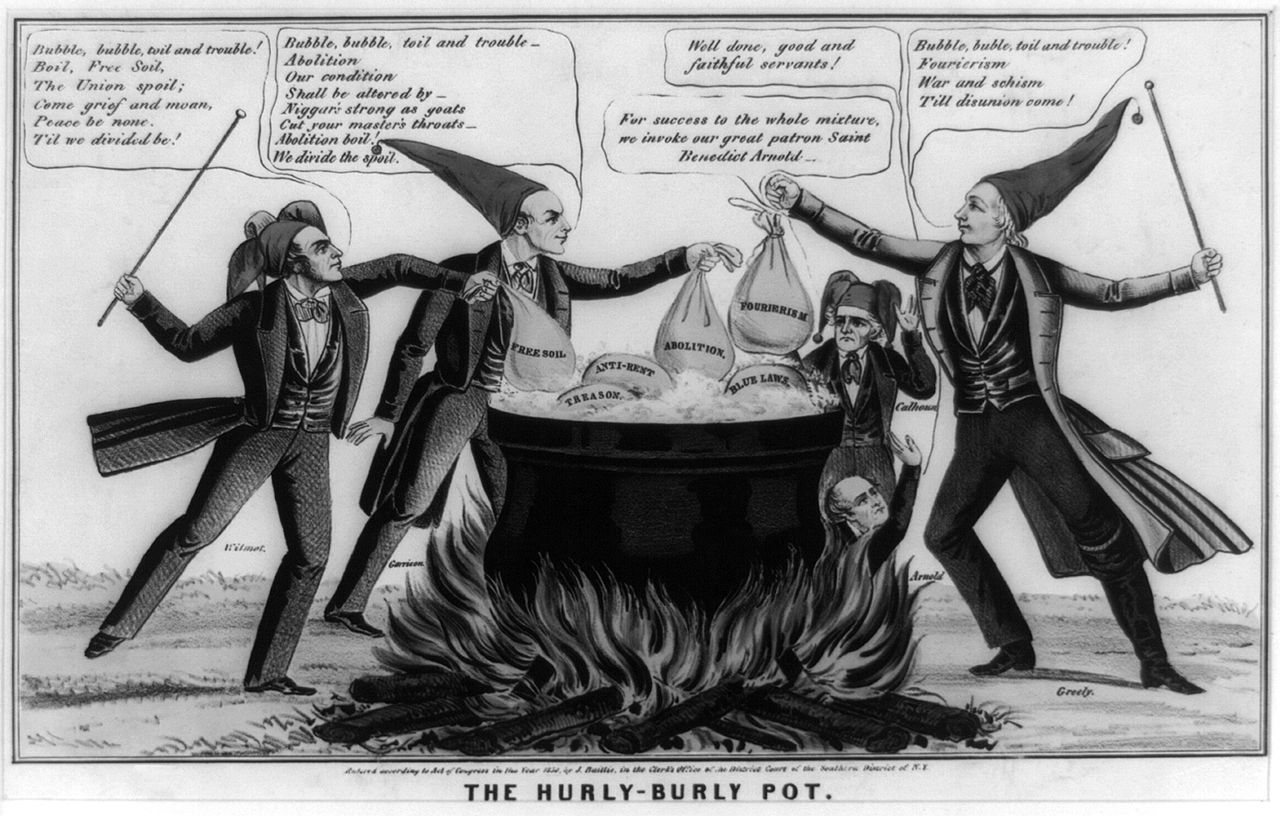



Principles and platform
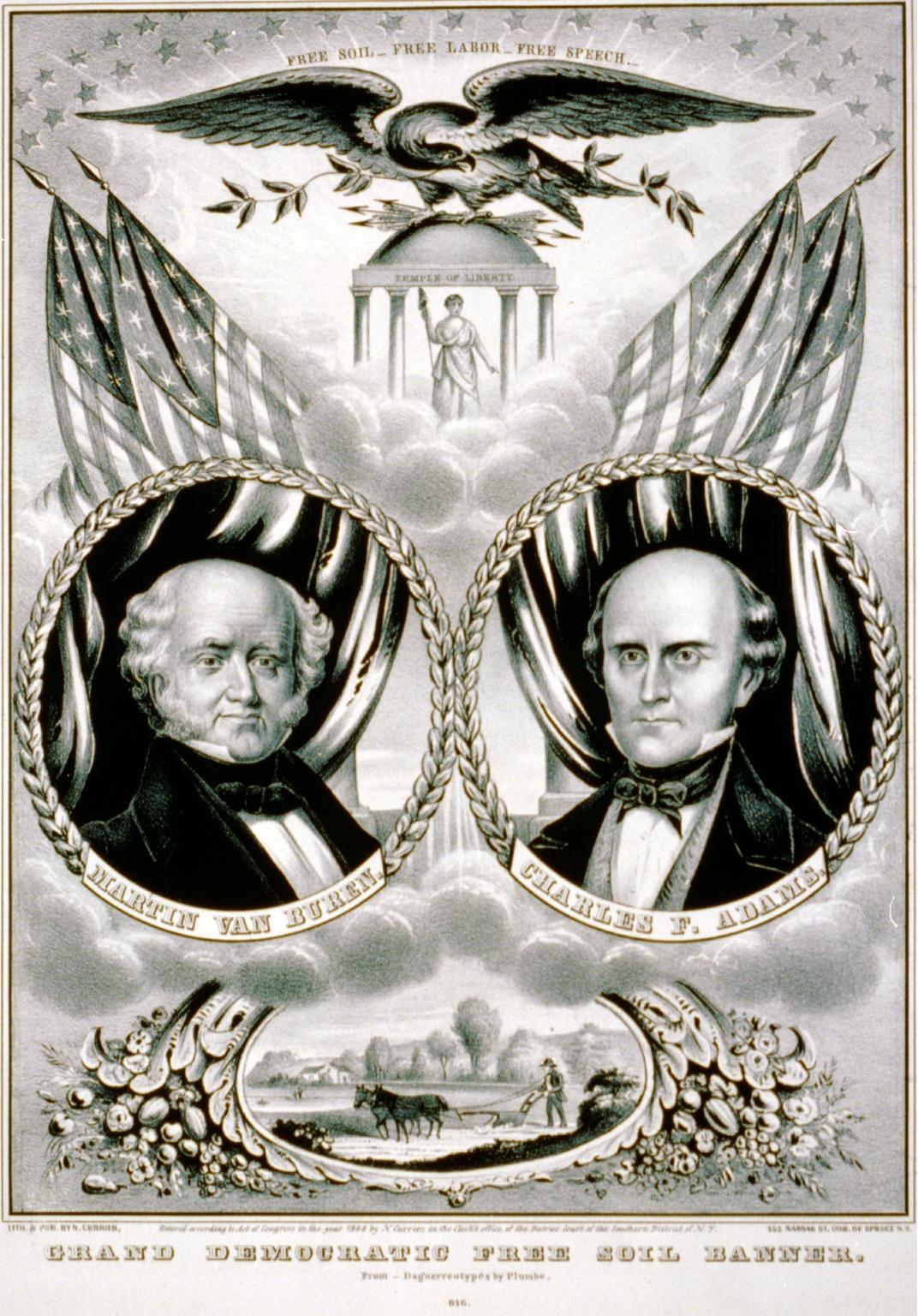
At its core the party argued that new territories should remain free from slave labor. This stance was expressed in the party slogan and rhetoric of the era, which emphasized that free men on free soil offered a superior moral and economic order. Key points of the platform included:
- Opposition to the expansion of slavery: The party did not generally call for immediate abolition where slavery already existed but insisted that slavery should not spread into the western territories.
- Economic argument: Free labor was presented as better for white workers and small farmers because slave labor threatened to depress wages and restrict opportunities for free laborers (economic concerns).
- Labor and social mobility: Many supporters feared that an expanding plantation economy would limit social mobility and employment for non-slaveholding whites.
Origins, membership and organization
The party drew much of its strength from the northeastern states, particularly New York, and it attracted activists from the anti-slavery wings of the existing parties. Prominent members and backers included former Whigs and Democrats who disagreed with their parties' toleration of slavery policies. For example, many defectors previously affiliated with the Whig Party or the Democratic Party helped build local and state organizations to contest elections. The Free Soil movement also interacted with other anti-slavery groups and independent abolitionists, creating a coalition with varied commitments and tactics.
Elections and political influence
The Free Soil Party contested national elections, most notably the presidential contests of 1848 and 1852. It ran its own presidential candidates and used electoral campaigns to publicize its platform. While it did not win the presidency, the party won measurable support in several states and influenced the policies and rhetoric of larger parties. Its presence on ballots and in legislative contests made the question of territorial slavery a more prominent national issue.
Legacy and notable facts
Although the party's separate existence lasted only a few years, its impact extended beyond its lifespan. Many of its adherents and ideas were absorbed into the emerging anti-slavery coalition that formed the new Republican Party in the mid-1850s. The Free Soil movement helped shift the political conversation toward restricting slavery's expansion and protecting free labor, contributing to the realignment of American politics in the decade before the Civil War.
Distinctive features and historical importance
The Free Soil Party combined moral opposition to slavery with pragmatic concerns about opportunity in the western lands. Its appeal mixed reformist rhetoric with practical economic arguments that resonated with northern farmers, artisans, and wage workers. This coalition of interests made the party an important transitional force in U.S. politics: it was short-lived as an independent organization but long-lasting in its influence on political alignments and public debate.
For further reading on the party’s platforms, prominent campaigns, and regional strength, consult specialized histories and archival collections that examine mid-19th-century political realignment and the rise of anti-slavery parties. See also contemporary discussions of migration, labor, and territorial policy that the Free Soil Party sought to shape through elections and public argumentation. More on party origins and primary sources are available in historical compilations; contemporary analyses explore how concerns about economic opportunity and labor interacted with moral opposition to slavery. Additional resources touch on state-level activity in places like New York and the party’s relationship to the older Democratic and Whig organizations as well as the later Republican coalition. Context and analyses of western territorial policy and labor concerns are also useful for understanding the movement’s aims and limits.
Questions and answers
Q: What was the Free Soil Party in the United States?
A: The Free Soil Party was a political party in the United States for a short duration.
Q: When was the Free Soil Party active in the US presidential elections?
A: The Free Soil Party was active in the 1848 and 1852 US presidential elections.
Q: Where did the Free Soil Party get most of its strength?
A: The Free Soil Party got most of its strength from New York.
Q: Who were the important members of the Free Soil Party?
A: Most of the important members of the Free Soil Party were former anti-slavery members of the Whig Party and the Democratic Party.
Q: What was the main purpose of the Free Soil Party?
A: The main purpose of the Free Soil Party was to stop slavery from spreading into the western lands, arguing that free men on free soil had a morally and economically better system than slavery.
Q: Why did many workers fear slave labor?
A: Many workers feared that slave labor would take away work for white workers.
Q: What happened to the membership of the Free Soil Party in 1854?
A: The party membership of the Free Soil Party was largely taken over by the Republican Party in 1854.
Related articles
Author
AlegsaOnline.com Free Soil Party Leandro Alegsa
URL: https://en.alegsaonline.com/art/36471