
Franz Sigel: German Revolutionary, Immigrant, and Union General
Overview of Franz Sigel (1824–1902): his role in the 1848 revolutions, immigration to the U.S., activities as teacher and editor, Civil War service recruiting German-speaking soldiers, and his mixed military legacy.
Overview
Franz Sigel (1824–1902) was a German-born military officer and revolutionary who emigrated to the United States after the failed 1848 uprisings. In America he worked as a teacher, newspaperman and politician. During the Civil War he became a prominent Union major general and was especially noted for recruiting and organizing German-speaking immigrants into the Union armies.
Born in the Grand Duchy of Baden, Sigel participated in the liberal and national movements that swept German lands in the mid-19th century. After the revolutionary efforts faltered he left Europe and settled in the United States, where a number of refugees from 1848 found new roles in civic life and the press. His background made him a natural leader among German-American communities and linguistic minorities in northern states.
Image gallery
4 Images

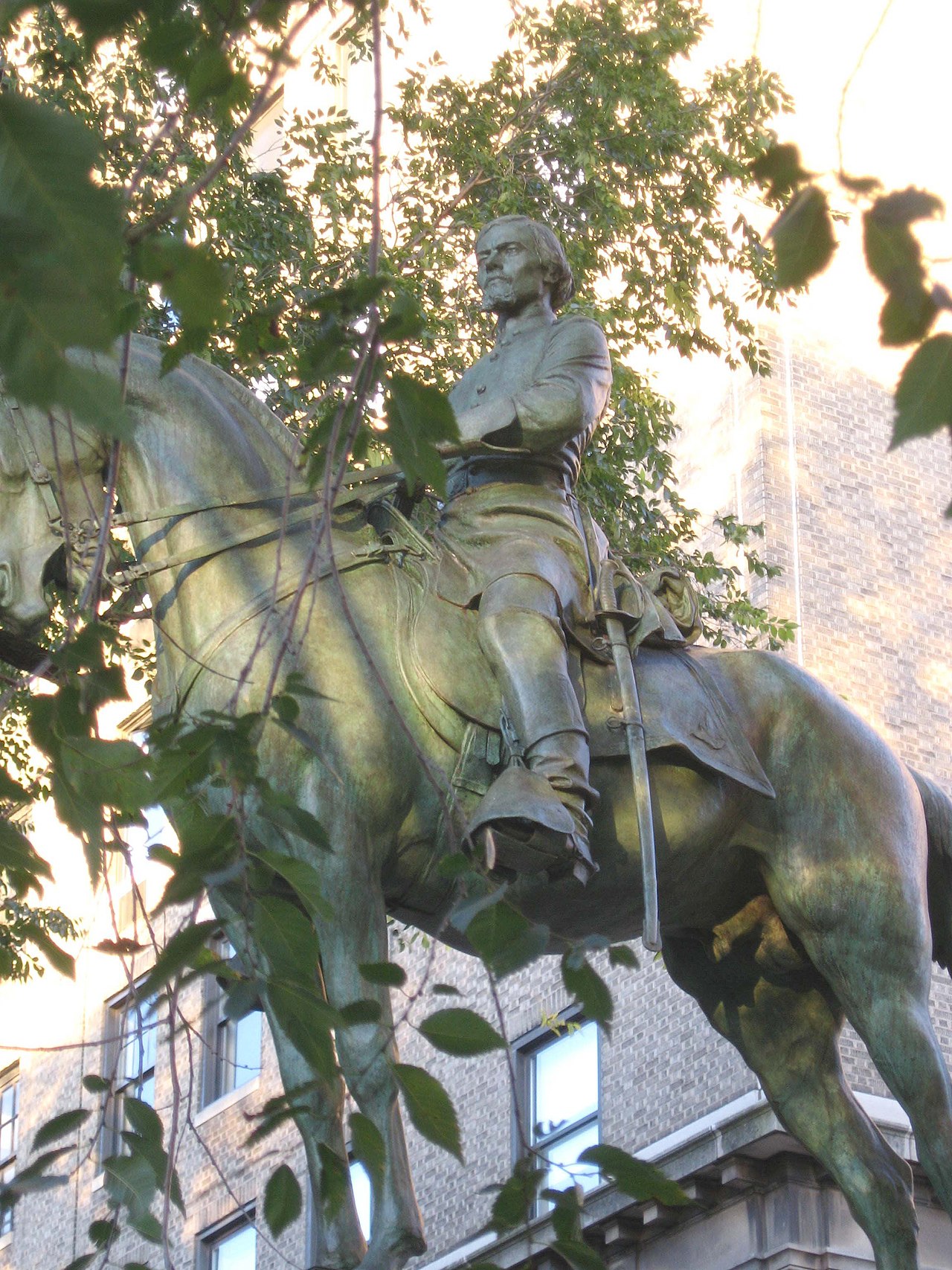

Civil War service
When the Civil War began, Sigel used his connections to raise regiments composed largely of German immigrants. His ability to attract recruits earned him public support and the attention of President Abraham Lincoln. Critics in the military establishment, however, including General-in-Chief Henry Halleck and others, questioned his tactical skill and command performance. Some contemporaries considered his generalship uneven and later accounts often rate him as a poor leader in operational terms.
Despite contestation about battlefield competence, Sigel's role was important politically and culturally: he helped translate Union aims to immigrant communities and encouraged their wartime participation. This effort had tangible effects on manpower and morale among German-Americans and other European-born soldiers who fought for the Union cause.
Later life and legacy
After the war Sigel returned to civilian pursuits, including journalism and public service. He remained a recognizable figure in German-American circles and in veterans' memory. Historians assess him from multiple angles: as a committed revolutionary and organizer, as an important recruiter for the Union, and as a commander whose military record is debated. His life illustrates the broader story of 19th-century transatlantic political exile and the influence of immigrant leaders on American public life.
- Early military background
- Emigration to the United States
- Service in the American Civil War
- Interaction with political leaders
- Contested assessments
For further reading on Sigel’s life, military service and his significance to immigrant communities consult specialized biographies and collections of Civil War scholarship. Additional resources may be found via archives and historical societies focused on German-American history and Civil War studies. More on military background, political activity, and immigrant recruitment are available in subject bibliographies.
Union and general contexts, Civil War overviews, and discussions of leadership evaluation (Halleck and others) provide useful comparative frames for understanding Sigel’s career. For archival notes and primary documents look for collections that include letters, wartime reports and contemporary German-language newspapers. Lincoln-era correspondence and administrative records also shed light on recruitment and patronage issues connected to Sigel’s appointments. Political histories trace how immigrant leaders influenced party alignments and local power structures in the postwar period.
Questions and answers
Q: Who was Franz Sigel?
A: Franz Sigel was a German military officer, revolutionist and immigrant to the United States who served as a Union Major general in the American Civil War.
Q: What was Franz Sigel's profession in the US besides being a military officer?
A: Besides being a military officer, Franz Sigel was also a teacher, newspaperman, and politician.
Q: Why did President Abraham Lincoln approve of Franz Sigel?
A: President Abraham Lincoln approved of Franz Sigel because of his ability to recruit German-speaking immigrants to the Union armies.
Q: Who strongly disliked Franz Sigel?
A: General-in-Chief Henry Halleck strongly disliked Franz Sigel.
Q: What did Henry Halleck think of Franz Sigel as a leader?
A: Henry Halleck rated Franz Sigel overall as a poor leader.
Q: When was Franz Sigel born and when did he die?
A: Franz Sigel was born on November 18, 1824, and he died on August 21, 1902.
Q: What was Franz Sigel's legacy in the United States?
A: Franz Sigel's legacy in the United States was that of a military officer, teacher, newspaperman, and politician who recruited German-speaking immigrants to the Union armies during the American Civil War. He was approved by President Abraham Lincoln but disliked by General-in-Chief Henry Halleck, who rated him overall as a poor leader.
Related articles
Author
AlegsaOnline.com Franz Sigel: German Revolutionary, Immigrant, and Union General Leandro Alegsa
URL: https://en.alegsaonline.com/art/36312
Sources
- civilwar.org : "Franz Sigel, Major general November 18, 1824 – August 21, 1902"
- shsmo.org : "Franz Sigel (1824 - 1902)"
- encyclopediavirginia.org : "Franz Sigel (1824–1902)"
- thelatinlibrary.com : "Franz Sigel (1824-1902)"
- wdl.org : "Major General Franz Sigel"
- civilwaronthewesternborder.org : "Sigel, Franz"