
Frankfort, Kentucky
Frankfort is the capital of Kentucky, located on the Kentucky River between Lexington and Louisville. Established as the state capital in 1792, it serves as Franklin County's seat and a center for government, history, and tourism.
Frankfort is the capital city of the U.S. state commonly known for its horse farms and bourbon. Situated roughly midway between Lexington and Louisville, Frankfort occupies a prominent site along the Kentucky River and functions as the administrative center of the state. The city has been the state capital since 1792 and is the county seat of Franklin County; both roles shape its civic life, economy, and identity. Official institutions, historic buildings and a compact downtown near the river define the city's character. State capital duties and local services are concentrated here, while nearby urban centers influence commerce and commuting.
Image gallery
10 Images
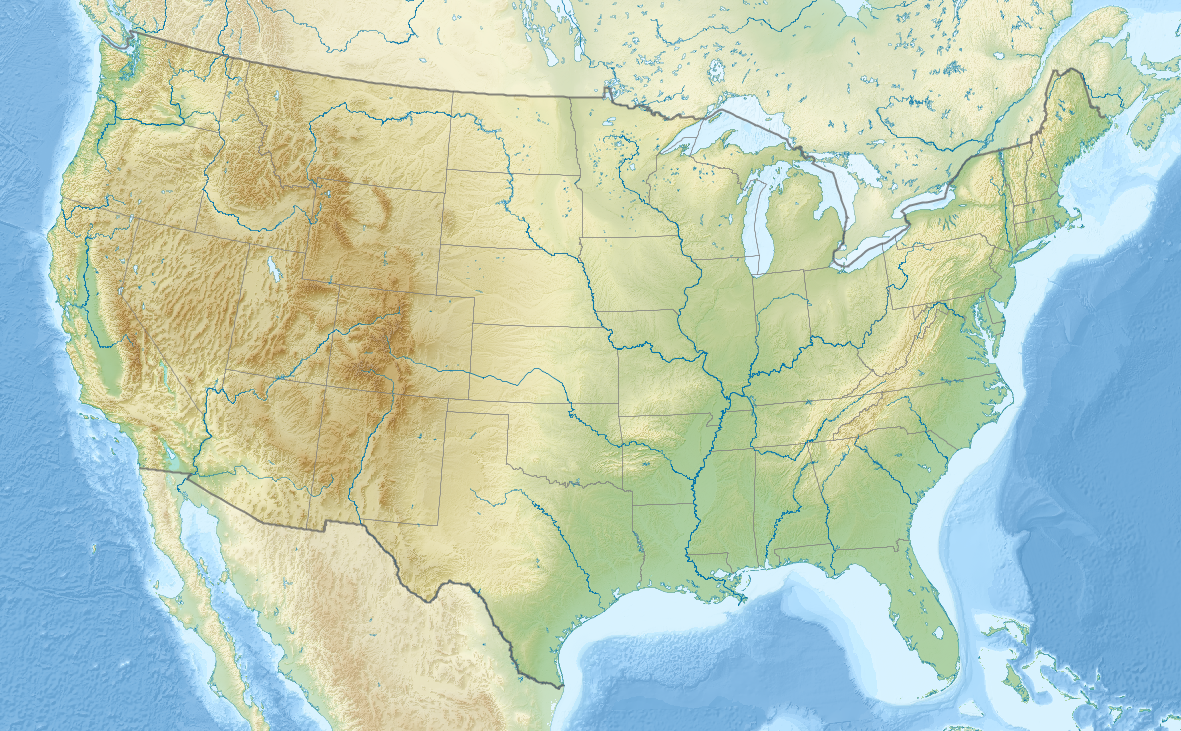


Geography and physical features
Frankfort lies in a valley carved by the Kentucky River, with a mix of floodplain and rolling hills rising from the water. The river corridor has historically provided transportation, water power and a focus for settlement. The cityscape includes government complexes on higher ground and older residential neighborhoods closer to the river. Major roads connect Frankfort to surrounding communities and to the broader transportation network of the state. The river itself is an important local landmark; many parks, walkways and vantage points offer views of the waterfront and bridges. Kentucky River access and preservation of historic riverfront structures remain part of local planning and tourism.
History and name
Early European-American settlement in the area was influenced by the river crossing and the presence of fertile land. The place-name derives from an early ford owned by a pioneer named Stephen Frank; the crossing was called "Frank's Ford" and eventually the name shortened to Frankfort. The city was chosen as the state capital when Kentucky became a state and has hosted the legislature and executive offices since December 1792. Frankfort was established as the seat of Franklin County a few years later. Over the nineteenth and twentieth centuries the city evolved from a frontier river town to a permanent governmental center, with periods of growth tied to state functions, transportation improvements and local industry.
Government, economy and institutions
As the home of the state capitol and many state agencies, Frankfort’s economy is heavily influenced by public administration and services. The Kentucky State Capitol, governor’s offices and various departments provide employment and attract visitors for civic business. Beyond government, the city supports small-scale manufacturing, retail, education and cultural institutions. Frankfort also benefits from Kentucky’s broader spirits industry: bourbon distilleries and related tourism in the region contribute to local visitation and economic activity. Museums, legislative tours and historic sites make the city a focal point for those interested in state history and architecture. See local guides and official resources for schedules and visitor information at Kentucky-focused portals.
Culture, demographics and community life
Frankfort is smaller than many other U.S. state capitals, which shapes its community atmosphere: civic events, festivals, and neighborhood organizations are prominent. Cultural venues include historic house museums, a state history museum and performing arts groups. Parks along the river and municipal recreational facilities provide outdoor options. Demographic trends over time have reflected steady growth with periods of stability; the population includes state employees, local business owners and residents who commute to nearby cities. Local schools, libraries and community programs support family life and civic engagement.
Notable sites and distinctions
- The Kentucky State Capitol complex and its grounds, a center of government activity and public ceremonies. Capital functions have been held here since the state's founding.
- Historic districts and preserved 19th-century neighborhoods that reflect the city's development after early settlement and statehood. Many of these sites are open to visitors and researchers.
- Riverfront parks and bridges that highlight the importance of the river corridor to transportation and town planning.
- Local distilleries and bourbon-related attractions that connect Frankfort to Kentucky’s larger spirits heritage, drawing both tourists and scholars of the industry. Information on regional tourism is available through official tourism channels and local visitor centers. Franklin County resources list events and sites.
For more on civic services, historical records or visiting opportunities consult municipal and state resources. Local archives, museums and the state government publish guidance for researchers and tourists; each offers schedules, access rules and directions to points of interest. Additional background and practical information can be found through official portals and historic preservation organizations. County records and visitor guides provide useful starting points, while regional planning documents explain contemporary development and conservation efforts. For practical travel planning and introductions to the city’s offerings, see visitor information provided by local authorities and tourism offices. Learn more about the river and recreation.
Questions and answers
Q: What is Frankfort?
A: Frankfort is the capital city of the U.S. state of Kentucky.
Q: Since when has Frankfort been the state capital?
A: Frankfort has been the state capital since December 8, 1792.
Q: What is the county seat of Frankfort?
A: The county seat of Frankfort is Franklin County, and has been since 1795.
Q: Where is Frankfort located?
A: Frankfort is located between Lexington and Louisville Kentucky.
Q: How did Frankfort get its name?
A: Frankfort got its name from the Kentucky River, as the land was owned by pioneer Stephen Frank. First called "Frank's Ford", the name was soon shortened to Frankfort.
Q: How has the population of Frankfort grown over the years?
A: Within a century the population of Frankfort grew from 9,487 in 1900, to 27,741 in 2000.
Q: How are members of the city commission and the mayor elected in Frankfort?
A: Members of the city commission and the mayor are elected by the citizens in Frankfort. The mayor of Frankfort in 2008 is Gippy Graham.
Related articles
Author
AlegsaOnline.com Frankfort, Kentucky Leandro Alegsa
URL: https://en.alegsaonline.com/art/36222