
François Boucher: Leading Rococo Painter of 18th-Century France
François Boucher (1703–1770), major French Rococo painter known for mythological scenes, pastoral idylls, portraits for Madame de Pompadour, and designs for tapestries and decorative interiors.
Overview
François Boucher (29 September 1703 – 30 May 1770) was a central figure of French 18th-century art. Born and active in Paris, he became synonymous with the ornate, playful style of the Rococo period. Boucher produced paintings and designs that defined much of the visual taste at the court and among fashionable patrons in mid-century France.
Image gallery
10 Images


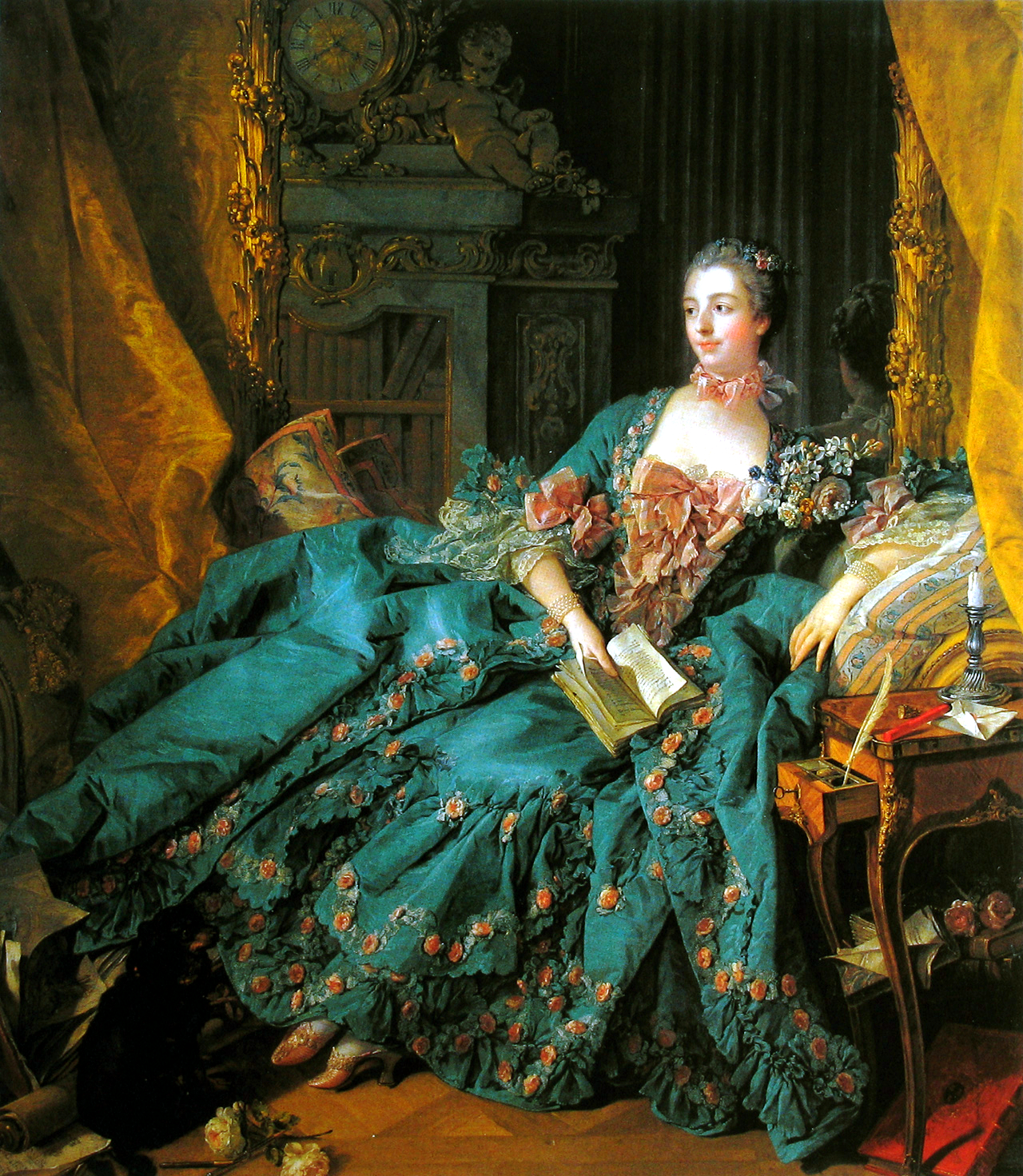


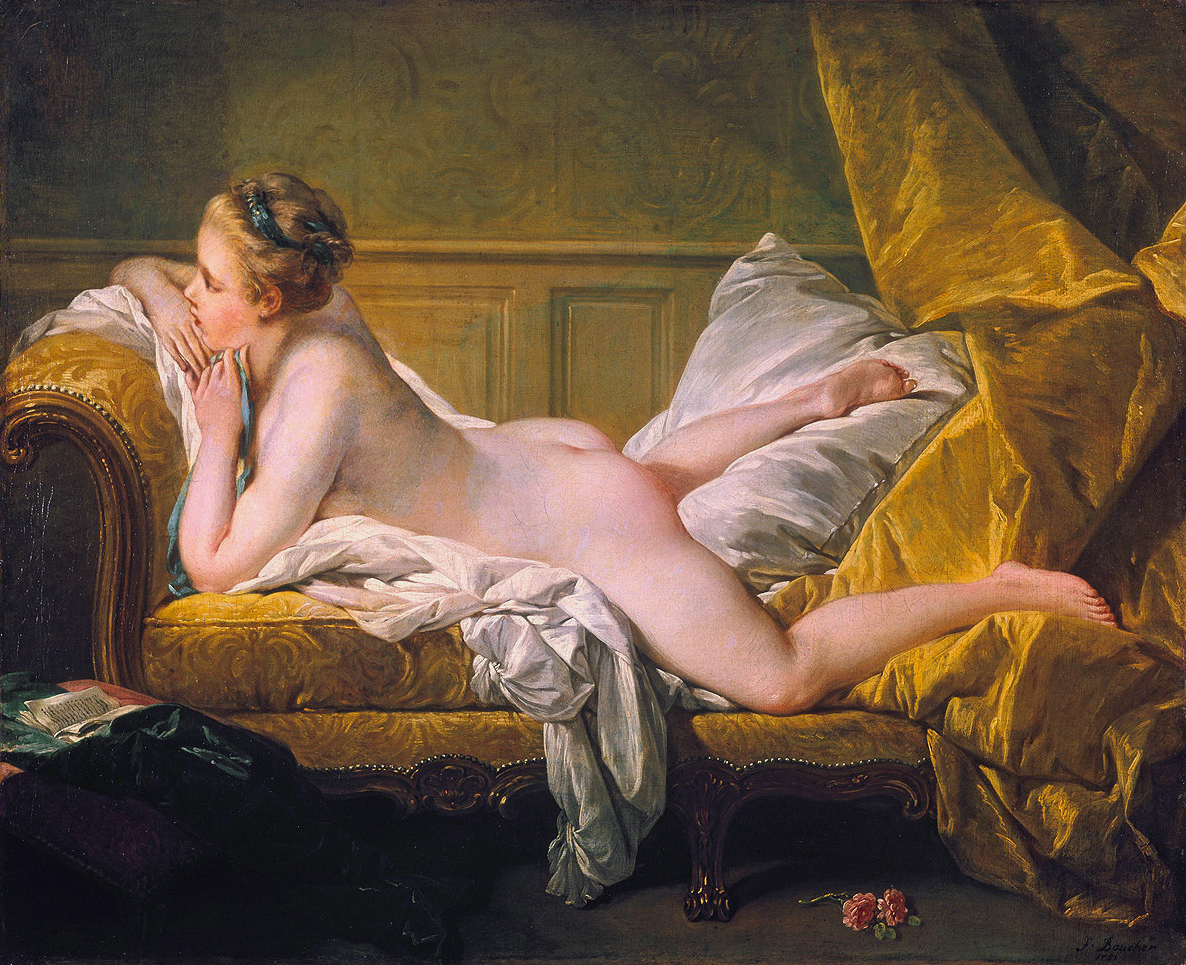

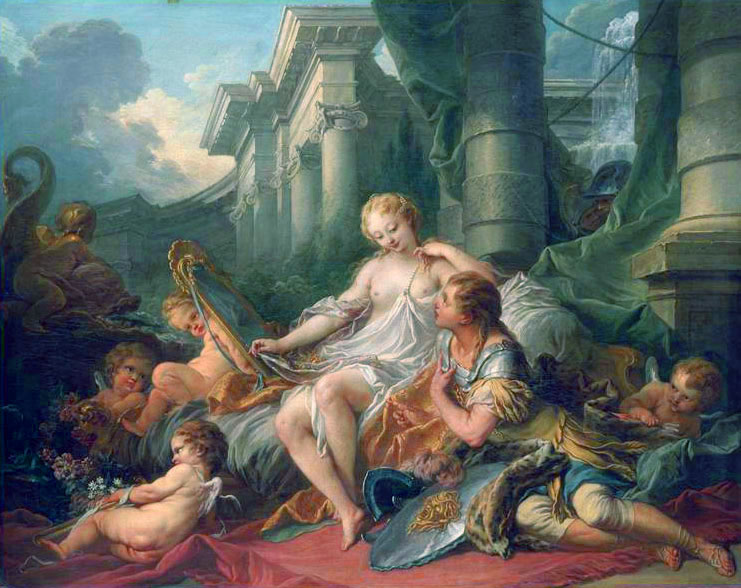
Style and subjects
Boucher is best known for polished compositions that blend elegance, bright color, and a soft, sensual treatment of figures. His subjects frequently include classical mythology rendered as intimate, decorative scenes; pastoral landscapes populated by shepherds and shepherdesses; and lighthearted allegories. He also painted formal portraits and religious works, adapting the same decorative touch across genres. Critics and admirers alike have noted his ability to balance refined draftsmanship with an emphasis on surface beauty and charm.
Career, patrons, and commissions
After establishing himself in Parisian artistic circles, Boucher received major commissions for private residences and royal apartments. He painted several portraits of his influential patroness, Madame de Pompadour, which helped secure his position at court. He provided designs for tapestries and interior decoration and worked closely with manufactories that produced carpets and tapestry cartoons. His portrait work and decorative projects contributed to the spread of Rococo aesthetics across decorative arts and architecture.
Works, media, and notable themes
- Mythological and allegorical canvases—often intimate and sensuous in tone
- Pastoral scenes that idealize rural life
- Portraits of aristocrats, including repeated likenesses of patrons
- Cartoons and designs for tapestry and applied arts
He produced works for royal and private settings, and his imagery became a template for porcelain, furniture, and textile decoration.
Reception and legacy
During his lifetime Boucher was celebrated for his decorative genius. As tastes shifted toward Neoclassicism in the late 18th century, some later critics found his work frivolous; nevertheless, his influence on decorative painting, interior design, and the visual vocabulary of the Rococo remains significant. Modern scholarship recognizes both his technical skill and the cultural role his images played at the French court and in eighteenth‑century taste.
For further reading about his life and paintings, see resources on the Rococo movement and portraiture traditions: Rococo overview, portrait practice in the period.
Questions and answers
Q: Who was François Boucher?
A: François Boucher was a French painter who was mostly known as one of the main artists of the French rococo movement.
Q: When was François Boucher born?
A: François Boucher was born on 29th September 1703 in Paris.
Q: What was François Boucher known for in his paintings?
A: François Boucher was known for his open-minded, voluptuous paintings.
Q: Who did François Boucher paint several portraits of?
A: François Boucher painted several portraits of his patroness, Madame de Pompadour.
Q: What was the French rococo movement?
A: The French rococo movement was an artistic style that emerged in the 18th century, mainly characterized by intricate designs and elaborated ornamentation.
Q: What is the biggest contribution François Boucher made to the French art scene?
A: François Boucher's biggest contribution to the French art scene was establishing the rococo style in the country.
Q: When did François Boucher pass away?
A: François Boucher passed away on 30th May 1770.
Related articles
Author
AlegsaOnline.com François Boucher: Leading Rococo Painter of 18th-Century France Leandro Alegsa
URL: https://en.alegsaonline.com/art/36108