
Francis Poulenc — French composer of song, chamber, sacred and stage works
French composer Francis Poulenc (1899–1963), member of Les Six, known for lyric songs, neoclassical wit, sacred choral works and operas that combine brightness and profound emotion.
Overview
Francis Poulenc (7 January 1899 – 30 January 1963) was a French composer whose music ranged from intimate songs to large-scale sacred and stage works. Born and deceased in Paris, he became prominent as one of the circle known as Les Six. Poulenc combined accessible melody, clear textures and sudden shifts of mood; his music often balances lightness with moments of deep seriousness.
Image gallery
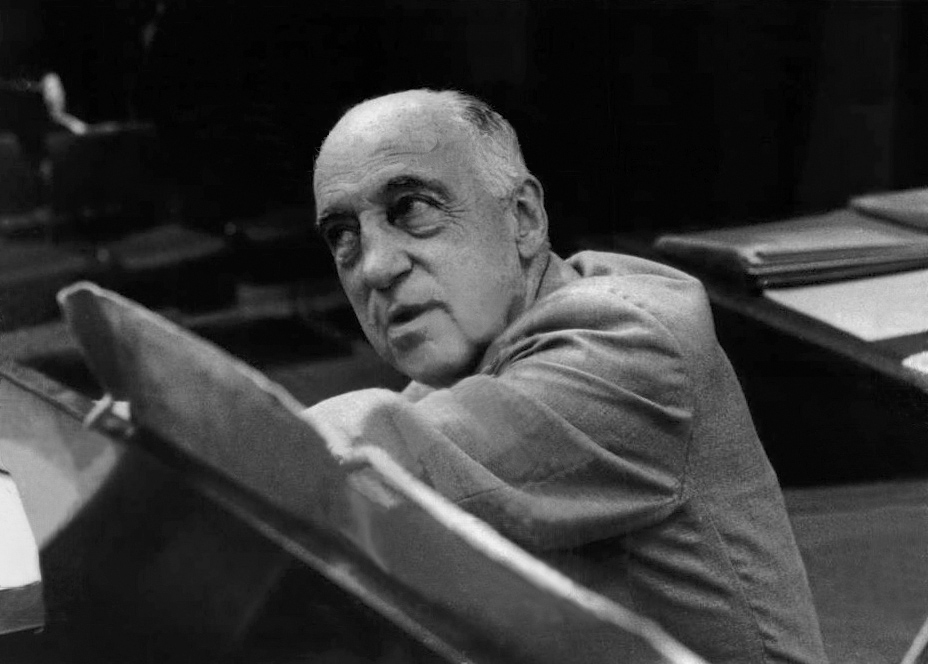
10 Images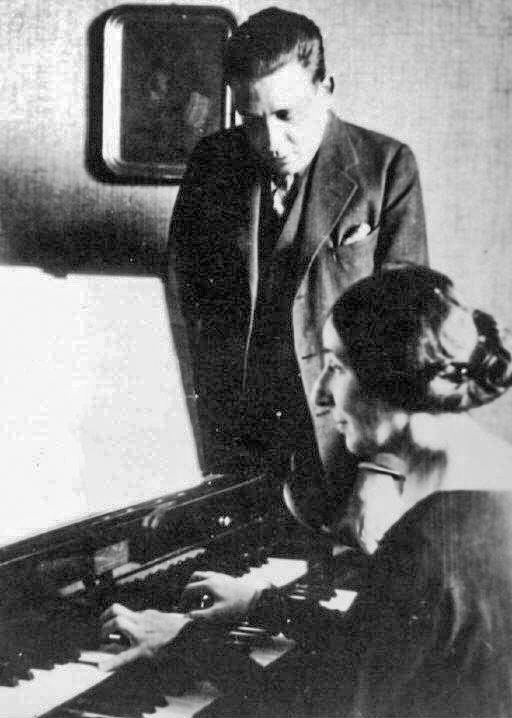




Musical character and style
Poulenc’s style is frequently described as neoclassical in its clarity and economy, yet it is also personal and eclectic. He drew on popular Parisian song, the influences of older French tradition and more modern currents, producing music that can be immediately appealing while containing subtle emotional layers. Critics initially treated his work as witty or frivolous, but later reassessment recognized its expressive range and craftsmanship. His gifts for melody and text-setting made him especially celebrated in the French art-song tradition (mélodie).
Genres, major works and examples
Poulenc wrote across many forms: solo songs and cycles, chamber music, choral and sacred pieces, ballets, operas and orchestral works. Examples that illustrate the variety of his output include the choral Gloria (a luminous sacred work), the Stabat Mater, the one-act opera La voix humaine, and the full-length opera Dialogues des Carmélites. He also produced elegant chamber pieces and stage works such as the ballet Les biches. His reputation as a master of French song places him in a line with earlier composers of the mélodie.
- Songs and mélodies: cycles and standalone songs for voice and piano.
- Chamber music: intimate works for various combinations of instruments.
- Oratorio and sacred works: settings for chorus and soloists drawing on his Catholic faith.
- Opera and stage: dramatic works for theatre and voice.
- Ballet: dance scores reflecting Parisian modernism.
- Orchestral music: concert pieces and orchestral songs.
Life, influences and development
Poulenc’s early life in Paris exposed him to popular song, cabaret and the avant-garde salons of the period. He was responsive to the example of Erik Satie and Igor Stravinsky and later combined those modern impulses with a distinctly French lyricism. Personal faith and friendships affected his output: his Roman Catholicism informed several major sacred compositions, and his association with fellow composers and artists shaped projects and performances. Over time he matured from light, coquettish pieces to works of grave intensity.
Reception and legacy
Although early critical reaction sometimes dismissed his music as unserious, subsequent generations have valued both the immediacy and the depth of Poulenc’s work. He is widely regarded as a leading 20th-century French composer, particularly for the mélodie tradition. Performers and audiences continue to program his songs, chamber pieces and stage works; his combination of wit, charm and heartfelt expression ensures a permanent place in the repertory.
For further reading on his life, musical catalogue and recordings, see biographies and specialized studies that discuss his role within French modernism and the wider European scene. Contemporary performances and recordings keep his music in active circulation and reveal its continuing capacity to surprise and move listeners.
Additional links: birthplace and dates, nationality, occupation, critical response, mélodie tradition.
Questions and answers
Q: Who was Francis Poulenc?
A: Francis Poulenc was a French composer who was part of the group of six composers known as Les Six.
Q: What forms of music did he compose?
A: He composed song, chamber music, oratorio, opera, ballet music and orchestral music.
Q: How is his music described?
A: His music is easy to enjoy at first hearing and simpler than the modern music written by other composers at the time.
Q: What did critics initially think about his compositions?
A: Initially, critics did not think he was a serious composer.
Q: How has his work been viewed in hindsight?
A: In hindsight, people have realized the importance of his compositions and he is now considered to be the greatest writer of French song since Fauré.
Q: When and where was Francis Poulenc born?
A: Francis Poulenc was born on 7 January 1899 in Paris.
Q: When and where did he die?
A: He died on 30 January 1963 in Paris.
Related articles
Author
AlegsaOnline.com Francis Poulenc — French composer of song, chamber, sacred and stage works Leandro Alegsa
URL: https://en.alegsaonline.com/art/36054