
Francis Crick Institute: UK biomedical research centre in London
Major London biomedical research hub founded by multiple partners in 2016. Focuses on fundamental biology and translational science with large staff, advanced facilities and public engagement.
Overview
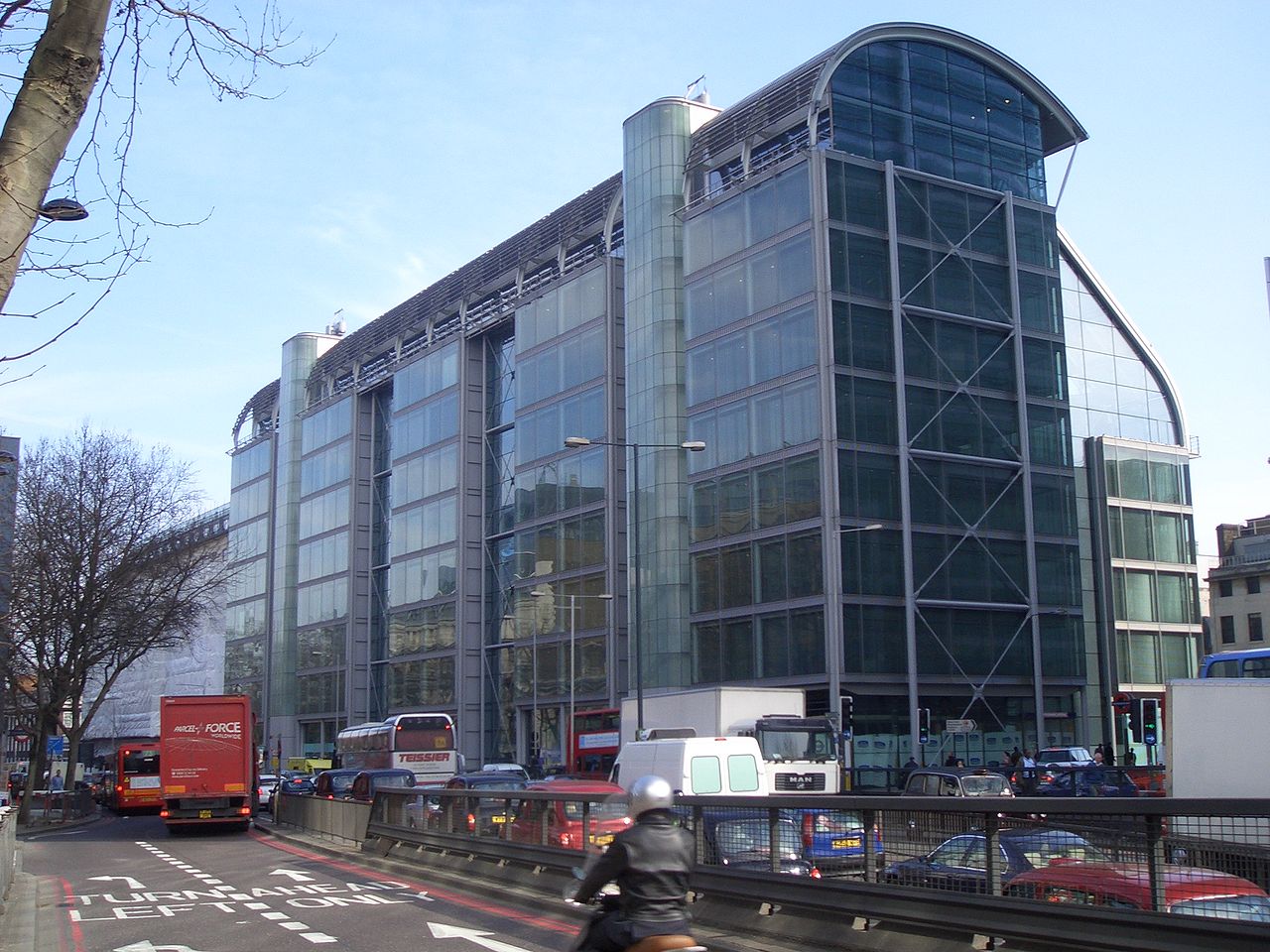
The Francis Crick Institute is a large biomedical research centre located in central London. Opened in 2016, it brings together fundamental laboratory science and translational research aimed at understanding disease mechanisms. The institute is named after the molecular biologist Francis Crick, whose work in molecular structure helped transform modern biology.
Image gallery
5 Images


Founding partners and mission
The Crick was created as a partnership to concentrate expertise and resources. Its founding partners include major academic and funding organisations that provided scientific leadership, staff and long‑term support:
- Imperial College London
- King's College London
- University College London
- Medical Research Council (MRC)
- Wellcome Trust
- Cancer Research UK
History and name
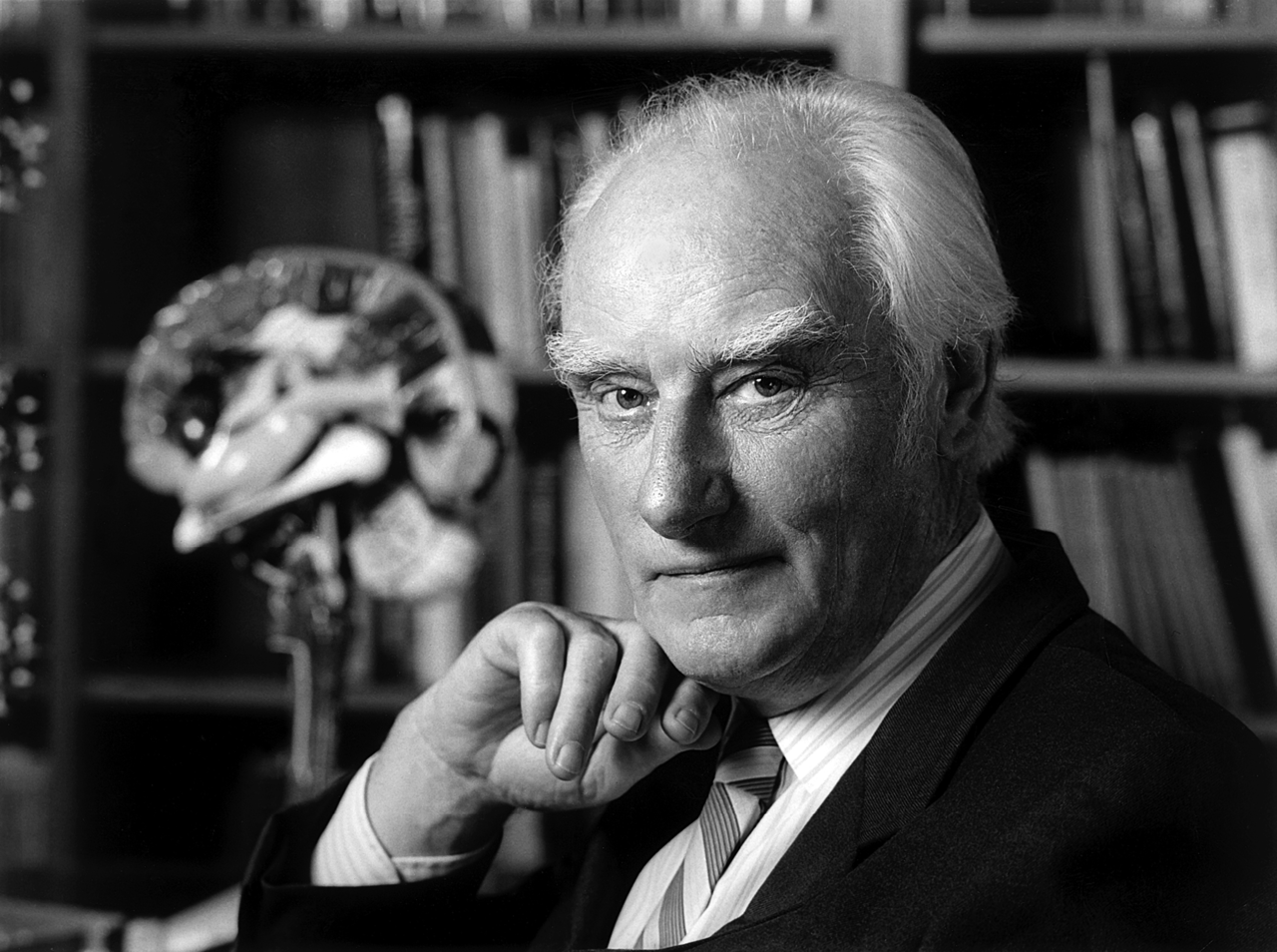
The institute succeeded earlier UK research centres and consolidated facilities previously scattered across the city, including work formerly based at Mill Hill. It was named in honour of Francis Crick, who is known as both a biophysicist and a neuroscientist in different stages of his career. Crick shared the 1962 Nobel Prize for contributions to the structure of DNA, along with James Watson and Maurice Wilkins. The institute’s leadership and public profile have led to informal nicknames; its first director, Sir Paul Nurse, inspired comparisons to St Paul's Cathedral in popular commentary.
Organisation, staff and facilities
The Crick is one of Europe’s largest single biomedical laboratories. It employs around 1,500 staff, of whom roughly 1,250 are research scientists, and operates with an annual budget reported in the hundreds of millions of pounds. Its six‑storey building contains state‑of‑the‑art core facilities for imaging, genomics, high‑throughput screening, and bioinformatics, designed to support collaborative projects across disciplines.
Research themes and impact
Research at the institute covers a broad range of life science topics, including cell and molecular biology, genomics, immunology, cancer biology, developmental biology and neuroscience. Groups at the Crick pursue basic questions about how cells function and how those processes go awry in disease, while also developing tools and techniques that can accelerate drug discovery and diagnostics. Collaborative programmes link academic investigators with clinicians and external partners to translate findings into health interventions.
Public engagement and notable facts
Alongside laboratory work, the institute runs public events, exhibitions and training programmes for researchers and students. Its central London location and partnerships with multiple universities provide access to a diverse scientific community and clinical networks. The Crick is frequently cited as an example of large-scale, multidisciplinary investment in biomedical science and continues to evolve its priorities in response to emerging health challenges.
Questions and answers
Q: What is the Francis Crick Institute?
A: The Francis Crick Institute is a biomedical research centre in London.
Q: When did the Francis Crick Institute open?
A: The Francis Crick Institute opened in 2016.
Q: Who are the partners of the Francis Crick Institute?
A: The partners of the Francis Crick Institute are Cancer Research UK, Imperial College London, King's College London (KCL), the Medical Research Council, University College London (UCL), and the Wellcome Trust.
Q: How many staff work at the Francis Crick Institute?
A: The Francis Crick Institute has 1,500 staff, including 1,250 scientists.
Q: What is the annual budget of the Francis Crick Institute?
A: The annual budget of the Francis Crick Institute is over £100 million.
Q: Who is Francis Crick and what is he known for?
A: Francis Crick was a British molecular biologist, biophysicist, and neuroscientist who co-discovered the structure of DNA. He shared the 1962 Nobel Prize in Physiology or Medicine with James Watson and Maurice Wilkins.
Q: Why has the Francis Crick Institute been called "Sir Paul's Cathedral"?
A: The Francis Crick Institute has been called "Sir Paul's Cathedral" unofficially because it is a reference to its Director, Sir Paul Nurse, and St Paul's Cathedral.
Related articles
Author
AlegsaOnline.com Francis Crick Institute: UK biomedical research centre in London Leandro Alegsa
URL: https://en.alegsaonline.com/art/36037
Sources
- theguardian.com : "Plans for largest biomedical research facility in Europe unveiled"
- worldcat.org : 0261-3077
- bbc.co.uk : "The Crick: Europe's biggest biomedical lab opens"
- timeshighereducation.co.uk : "Three's company: Imperial, King's join UCL in £700m medical project" · web.archive.org
- doi.org : 10.1038/522406a
- pubmed.ncbi.nlm.nih.gov : 26108834