
Football at the 1936 Summer Olympics
Summary of the Olympic football tournament held in Berlin in 1936, won by Italy; covers format, context, notable outcomes and the event's place in 1930s international football.
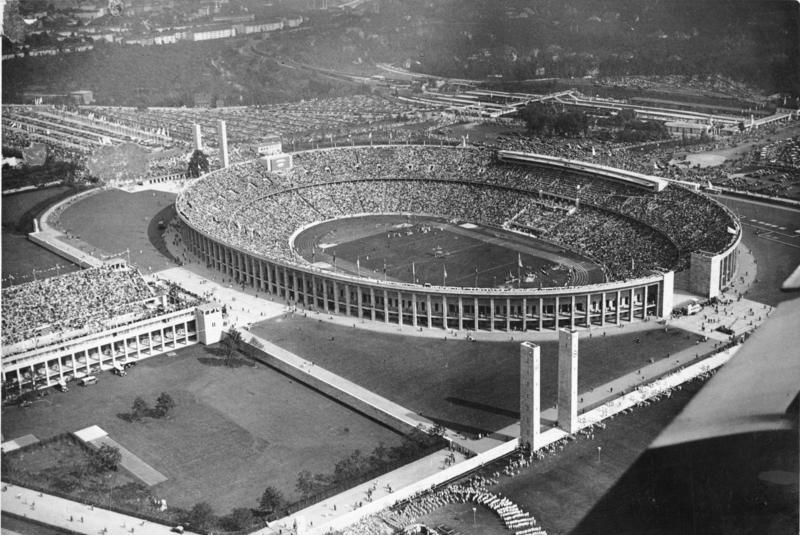
The football competition at the 1936 Summer Olympics in Berlin was one of the major international tournaments of the interwar period. Italy emerged as the tournament winner, reinforcing its status among the leading national teams of the 1930s. The event took place against the political and cultural backdrop of the Berlin Games and attracted large crowds for its concluding matches.
Image gallery
7 Images



Overview
The Olympic football tournament in 1936 was staged as a straight knockout competition, with teams meeting in one-off matches that decided which side advanced. As was typical for Olympic football at the time, the competition operated under rules that emphasized amateur participation, a distinction that set the Olympics apart from FIFA-organized events. Nonetheless, national pride and strong squads meant that the level of play was high and outcomes carried significant prestige.
Teams and favourites
Italy went into the tournament as one of the favourites and ultimately claimed the title. Their status had been bolstered by success on the world stage only two years earlier; they had won the 1934 FIFA World Cup, a fact often cited when assessing their strength at these Games. Other host and regional teams also arrived with expectations: the host nation, Germany, was widely regarded as a contender, having shown strong home form in the years immediately before the Olympics. Despite those expectations, Germany was eliminated in the quarter-finals.
Organization and matches
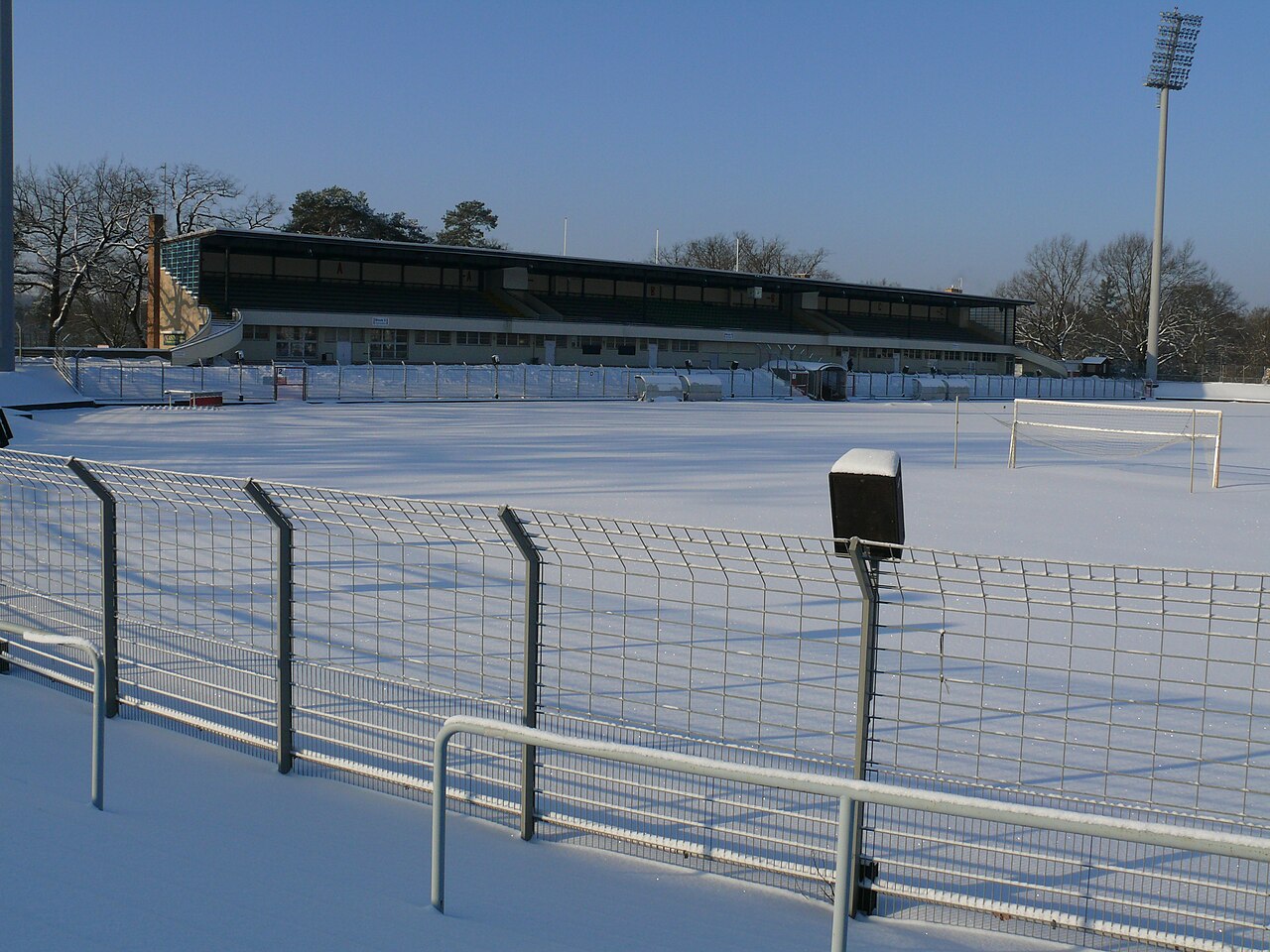
Matches were played across multiple venues in Germany, with the tournament culminating in the medal matches which drew considerable public interest. The combined attendance for the bronze- and gold-medal matches reached around 195,000 spectators, underscoring the popularity of football at the Olympic stage. The single-elimination format meant that a single defeat knocked a team out, producing tense, decisive encounters from the first rounds to the final.
Historical context and significance
The 1936 Olympic football tournament sits at the intersection of sport and international politics in the 1930s. For football history, Italy's victory added to a period of dominance that included their 1934 World Cup triumph. At the same time, the Olympics retained a distinct identity due to their amateurism rules and global multi-sport setting. The Games offered national teams a prestigious platform outside the FIFA World Cup cycle, and performances in Berlin contributed to reputations and tactical developments in the pre-war era.
Notable facts and legacy
- Italy won the tournament and enhanced its standing in 1930s football; see more on the Italian side's broader achievements here.
- The 1934 FIFA World Cup victory, which helped mark Italy as a powerhouse before the Olympics, is frequently referenced in contemporary accounts; further context is available here.
- Although political conditions in Germany at the time colored the wider Games, the football competition is remembered primarily for its competitive matches and the sizable crowds that followed the final rounds.

The tournament
| 1936 Olympic Football Tournament | |
|
| |
| Number of nations | 16 |
| Olympic Champion | Italy 1861 |
| Venue | |
| Opening match | August 3, 1936 |
| Final | August 15, 1936 |
| Games | 16 |
| Gates | 78 (⌀: 4.88 per game) |
| Viewers | 484,500 (⌀: 30,281 per game) |
| Top scorer | AItalian |
| Sent off | 1 (⌀: 0.06 per game) |


Round of 16
| Date | Game | Result | Stadium | Viewers | ||
| August 3, 1936 | Italy 1861 | - – | United States 48 | 1:0 (0:0) | Post Stadium | 9.000 |
| August 3, 1936 | Norway | - – | Turkey | 4:0 (1:0) | Mommsenstadion | 8.000 |
| August 4, 1936 | Japan Japan | - – | Sweden | 3:2 (0:2) | Hertha Square | 5.000 |
| August 4, 1936 | German Reich NS | - – | Luxembourg | 9:0 (2:0) | Post Stadium | 12.000 |
| August 5, 1936 | Poland 1928 | - – | Hungary 1940 | 3:0 (2:0) | Post Stadium | 5.000 |
| August 5, 1936 | Austria | - – | Egypt 1922 | 3:1 (2:0) | Mommsenstadion | 6.000 |
| August 6, 1936 | United Kingdom | - – | China Republic 1928 | 2:0 (0:0) | Mommsenstadion | 8.000 |
| August 6, 1936 | Peru 1825 | - – | Finland | 7:3 (3:1) | Hertha Square | 2.500 |


Quarterfinals
| Date | Game | Result | Stadium | Viewers | ||
| August 7, 1936 | Italy 1861 | - – | Japan Japan | 8:0 (2:0) | Mommsenstadion | 8.000 |
| August 7, 1936 | Norway | - – | German Reich NS | 2:0 (1:0) | Post Stadium | 55.000 |
| August 8, 1936 | Poland 1928 | - – | United Kingdom | 5:4 (2:1) | Post Stadium | 6.000 |
| August 8, 1936 | Peru 1825 | - – | Austria | 4:2 n. V. (2:2; 0:2) | Hertha Square | 5.000 |
*After the score was 4-2, Peruvian fans stormed the pitch. Austria then protested against the result and justified this with the storming of the pitch, which according to the Austrians had already taken place at 2:2. The protest was upheld and a replay was ordered, but it never happened as Peru withdrew all their Olympians in protest. Austria thus reached the semi-finals without a fight.
Semifinals
| Date | Game | Result | Stadium | Viewers | ||
| August 10, 1936 | Italy 1861 | - – | Norway | 2:1 n. V. (1:1; 1:0) | 95.000 | |
| August 11, 1936 | Austria | - – | Poland 1928 | 3:1 (1:0) | Olympic Stadium | 82.000 |
Bronze game
| |||||||
| Henry Johansen - Nils Eriksen, Øivind Holmsen - Frithjof Ulleberg, Jørgen Juve, Rolf Holmberg - Reidar Kvammen, Magdalon Monsen, Alf Martinsen, Odd Frantzen, Arne Brustad | Spirydion Albański - Władysław Szczepaniak, Antoni Gałecki - Wilhelm Góra, Franciszek Cebulak, Ewald Dytko - Walerian Kisieliński, Michał Matyas, Teodor Peterek, Hubert Gad, Gerard Wodarz | ||||||
|
|
| ||||||


Finale
| Austria | |||||||
| Austria | ||||||
| Bruno Venturini - Alfredo Foni (C) | Eduard Kainberger (C) | ||||||
|
|
| ||||||


Medal Ranks
| Rank | Medalists |
| Gold | Giuseppe Baldo, Sergio Bertoni, Carlo Biagi, Giulio Cappelli, Alfredo Foni, Annibale Frossi, Francesco Gabriotti, Mario Giani, Carlo Girometta, Adolfo Giuntoli, Ugo Locatelli, Libero Marchini, Alfonso Negro, Mario Nicolini, Lamberto Petri, Achille Piccini, Sandro Puppo, Pietro Rava, Luigi Scarabello, Corrado Tamietti, Paolo Vannucci, Bruno Venturini... |
| Silver | Franz Fuchsberger, Max Hofmeister, Karl Kainberger, Eduard Kainberger (TW), Martin Kargl, Josef Kitzmüller, Ernst Künz, Anton Krenn, Adolf Laudon, Franz Mandl, Klement Steinmetz, Karl Wahlmüller, Walter Werginz |
| Bronze | Arne Brustad, Nils Eriksen, Odd Frantzen, Sverre Hansen, Rolf Holmberg, Øivind Holmsen, Fredrik Horn, Magnar Isaksen, Henry Johansen (TW), Jørgen Juve, Reidar Kvammen, Magdalon Monsen, Alf Martinsen, Frithjof Ulleberg |




Questions and answers
Q: Who won the 1936 Olympic football tournament?
A: Italy won the 1936 Olympic football tournament.
Q: Why were Italy considered the favourites to win the tournament?
A: Italy were considered the favourites to win the tournament because they had won the FIFA World Cup in 1934.
Q: Which nation was the host of the 1936 Olympic football tournament?
A: Germany was the host nation of the 1936 Olympic football tournament.
Q: How well was Germany doing at the tournament before they were beaten in the quarter-finals?
A: Germany had only lost at home once in three years before being beaten in the quarter-finals.
Q: How many people watched the bronze- and gold-medal games of the 1936 Olympic football tournament?
A: A combined total of 195,000 people watched the bronze- and gold-medal games of the 1936 Olympic football tournament.
Q: How popular was football in the 1936 Summer Olympics?
A: Football was popular enough in the 1936 Summer Olympics to attract nearly 200,000 spectators to the bronze- and gold-medal games.
Q: Did the host nation of Germany win any medals in the 1936 Olympic football tournament?
A: Germany did not win any medals at the 1936 Olympic football tournament as they were beaten in the quarter-finals.
Related articles
Author
AlegsaOnline.com Football at the 1936 Summer Olympics Leandro Alegsa
URL: https://en.alegsaonline.com/art/35489