
Flying squirrel: nocturnal gliding rodents of the Sciuridae family
Overview of flying squirrels: their anatomy, behavior, distribution, diet, predators, reproduction, differences from other gliding animals, and links to further resources.
Overview
Flying squirrels are a group of tree-dwelling rodents within the squirrel family Sciuridae. Although commonly called "flying" squirrels, they do not achieve powered flight; instead they glide between trees using a skin membrane. There are roughly 44 recognized species distributed across forests in North America, Europe and Asia, occupying a range of temperate and subtropical woodlands.
Image gallery
9 Images


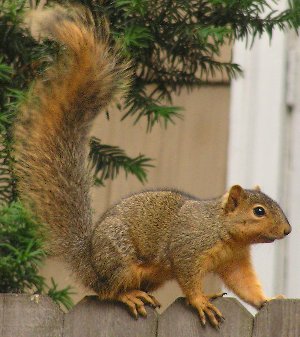
Anatomy and locomotion
The most distinctive feature of flying squirrels is the patagium, a loose flap of skin that stretches from the forelimbs to the hindlimbs and forms an airfoil when extended. Large, flattened tails act as rudders to steer and stabilize glides, while broad limbs and curved claws help them launch and grip vertical trunks on landing. Many species have large eyes and other sensory adaptations that aid nocturnal activity. Glide distances vary by species and conditions; some individuals can travel tens of metres in a single glide and land accurately on narrow targets.
Behavior and social life
Most flying squirrels are nocturnal and show varied social habits: some species are solitary, others roost communally in tree cavities or nests. They communicate with vocalizations and scent marks, and can be quite noisy at night. Nesting sites include abandoned woodpecker holes, natural cavities and leaf nests. Gliding is used both for efficient travel through the canopy and for escape from predators.
Diet and predators
Flying squirrels are primarily omnivorous with a mostly plant-based diet. Their foods commonly include seeds, nuts, buds, flowers, sap and fungi; some species also consume insects, bird eggs and small vertebrates opportunistically. Typical predators include birds of prey and mammalian carnivores that can hunt in trees or on the ground.
- Common food items: seeds, nuts, buds, fungi, sap, fruits
- Occasional animal prey: insects, eggs, small birds or rodents
- Predators: hawks and owls, foxes, weasels, coyotes and similar carnivores
Reproduction, lifespan and conservation
Reproductive cycles vary among species and regions. Females typically produce small litters in one or more breeding seasons per year, raising young in nest cavities. Lifespans are relatively short in the wild — often around five years for many species — but individuals may live longer in captivity. Habitat loss, fragmentation and competition with introduced species have put some flying-squirrel populations under pressure; other species remain widespread and adaptable. Conservation status is species-specific and assessed by regional or global authorities.
Key distinctions and notable facts
Flying squirrels are gliders, not fliers: they differ fundamentally from bats and birds that power their flight. They are also unrelated to marsupial gliders such as the sugar glider; marsupial gliders are in a different mammal group and differ in reproductive biology. Their nocturnal lifestyle and silent, efficient gliding make them important components of forest ecosystems, where they aid seed dispersal and fungal spore distribution.
Further reading and resources
- Species checklist and overview
- Sciuridae family information
- Behavioral studies and vocalizations
- Tree habitat and canopy ecology
- Patagium anatomy and flight mechanics
- Locomotion and limb structure
- North American species accounts
- European occurrences and records
- Asian diversity and distribution
- Dietary ecology and foraging
- Seed and nut feeding notes
- Nesting and reproductive biology
- Leaf and fungus relationships
- Sap feeding and tree interactions
- Flower and seasonal food use
- Root and bulb feeding observations
- Invertebrate prey records
- Egg predation cases
- Soil invertebrate consumption
- Predator interactions: weasels
- Predator interactions: foxes
- Predator interactions: raptors
- Predator interactions: coyotes and others
Questions and answers
Q: How many species are in the tribe of flying squirrels?
A: There are 44 species in the tribe of flying squirrels.
Q: Do flying squirrels use powered flight?
A: No, flying squirrels do not use powered flight. They glide from tree to tree using a flap of loose skin that connects their front and hind legs.
Q: How far can flying squirrels glide?
A: Flying squirrels can glide up to 150 feet (46 m).
Q: How do flying squirrels steer during gliding?
A: Flying squirrels steer with their tail while gliding.
Q: What is the lifespan of flying squirrels in the wild and in captivity?
A: Flying squirrels have a lifespan of about five years in the wild and about 13 years in captivity.
Q: What do flying squirrels usually eat?
A: Flying squirrels usually eat plants such as seeds, nuts, leaves, maple sap, bulbs, bark, flowers, and roots. They also eat insects, eggs, worms, small birds, and other small animals, but less often.
Q: Who hunts flying squirrels?
A: Flying squirrels are hunted by weasels, foxes, hawks, and coyotes.
Related articles
Author
AlegsaOnline.com Flying squirrel: nocturnal gliding rodents of the Sciuridae family Leandro Alegsa
URL: https://en.alegsaonline.com/art/35310
Sources
- doi.org : 10.1644/06-MAMM-S-322R1.1
- doi.org : 10.1126/science.1079705
- pubmed.ncbi.nlm.nih.gov : 12595609
- doi.org : 10.1016/S1055-7903(03)00204-5
- pubmed.ncbi.nlm.nih.gov : 15012949
- doi.org : 10.1007/s00360-010-0470-1