
Amersfoort concentration camp (Kamp Amersfoort)
A Nazi-era police transit camp near Amersfoort, Netherlands (1941–1945). Over 35,000 people passed through P.D.A.; today the site is preserved as a museum and memorial.
Overview
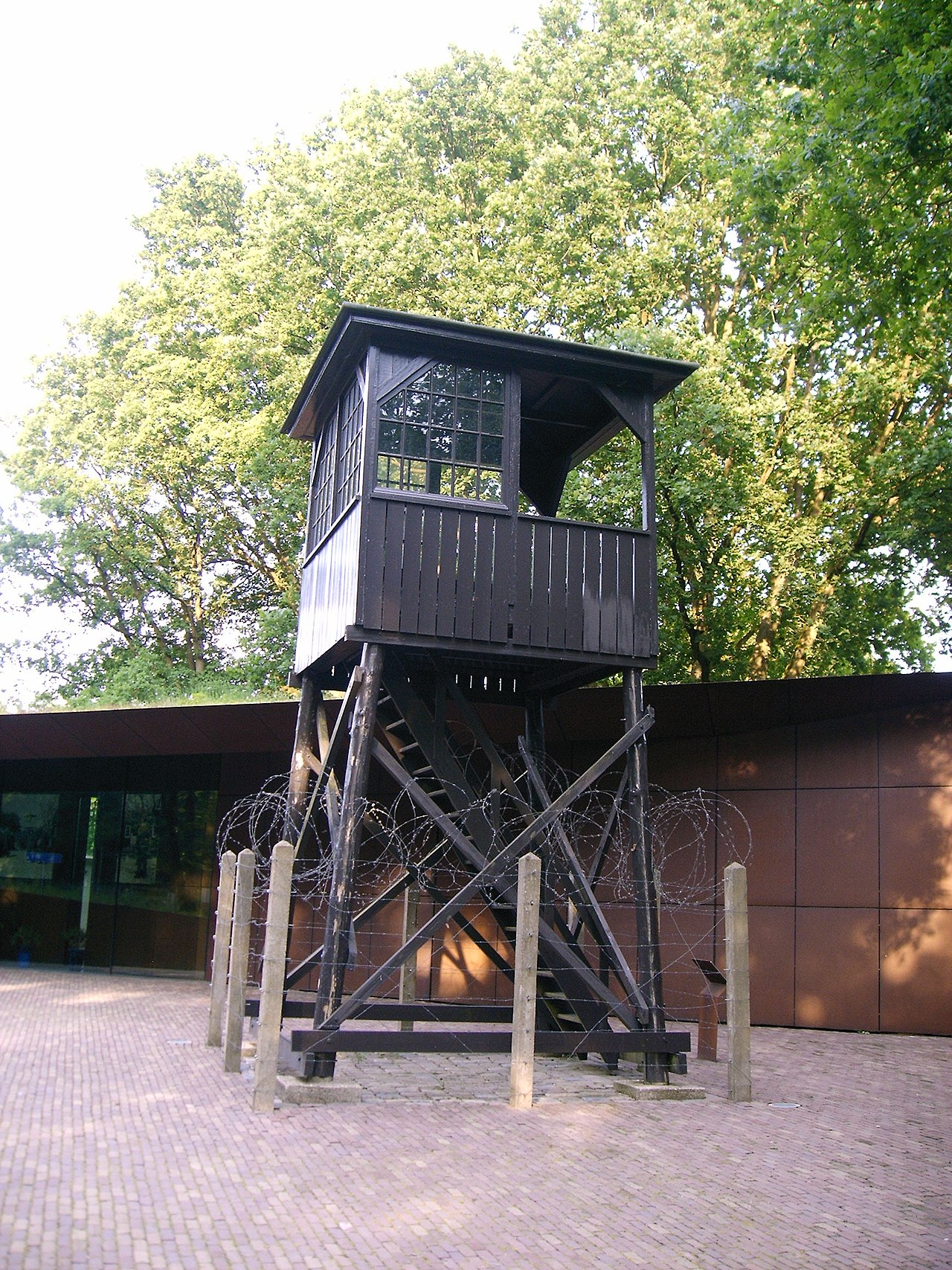
Amersfoort concentration camp, known in Dutch as Kamp Amersfoort and in German as Durchgangslager Amersfoort, was a Nazi-era concentration camp and police transit facility. Officially designated the "Polizeiliches Durchgangslager Amersfoort" (P.D.A.), it operated between 1941 and 1945 on the southern edge of Amersfoort, near the border with Leusden in the Netherlands. Under the control of German authorities, the camp served as a holding point for prisoners before transfer to other camps, forced labour locations, or execution.
Image gallery
4 Images


Conditions and prisoner population
More than 35,000 prisoners are estimated to have passed through the camp during its operation. Inmates included political prisoners, members of the Dutch resistance, Jews, Roma, Jehovah's Witnesses, common criminals and prisoners of war. Conditions were harsh: overcrowding, insufficient food, hard labour and severe punishments were regularly reported. Executions and deaths resulting from mistreatment, disease and the conditions of transport contributed to a high mortality rate among detainees.
Role, administration and operations
Amersfoort functioned primarily as a transit and penal camp for the occupying Nazi regime. It was staffed and administered by German police and SS personnel, with some local collaborators involved in guard and administrative roles. From Amersfoort, many prisoners were deported to labour sites in Germany or to other camps in the occupied East. The camp was organized to control, interrogate, punish and process detainees rather than to be a permanent settlement for most inmates, though many spent long periods in the facility.
Notable features and daily life
- Prisoner categories: political detainees, resistance members, Jews, Roma and others.
- Typical routines included forced labour tasks, roll calls, and strict disciplinary regimes.
- Sanitary and medical care were minimal; malnutrition and disease were widespread.
Liberation, aftermath and legacy
The camp ceased operations in 1945 with the end of the German occupation. In the postwar years the site was the subject of investigations and trials concerning wartime crimes, and survivors’ testimony contributed to public understanding of what occurred there. The terrain now hosts a museum and memorial dedicated to remembrance, research and education about the camp’s victims and the broader history of repression during the occupation.
Memory and significance
Amersfoort holds an important place in Dutch memory of World War II as a site of transit, punishment and suffering. Often referred to by its abbreviation P.D.A., the camp is studied within the wider context of Nazi detention systems and the occupation of the Netherlands. The preserved buildings, monuments and educational programs at the former camp site aim to keep the history visible for future generations and to encourage reflection on the consequences of authoritarian violence.
For more detailed archival material or visitor information, see primary resources and collections linked through institutional pages and local memorial organizations.
Links for reference: Kamp Amersfoort (Dutch), Durchgangslager Amersfoort (German), Nazi authorities, Concentration camp, Amersfoort, Netherlands, Leusden.
Questions and answers
Q: What was Amersfoort concentration camp?
A: Amersfoort concentration camp was a Nazi concentration camp in Amersfoort, Netherlands.
Q: What was the official name of Amersfoort concentration camp?
A: The official name of Amersfoort concentration camp was "Polizeiliches Durchgangslager Amersfoort", P.D.A. or Police Transitcamp Amersfoort.
Q: How many prisoners were kept in Amersfoort concentration camp between 1941 and 1945?
A: Over 35,000 prisoners were kept in Amersfoort concentration camp between 1941 and 1945.
Q: Where was the Amersfoort concentration camp located in Amersfoort?
A: The Amersfoort concentration camp was located in the southern part of Amersfoort, on the city limit between Amersfoort and Leusden in central Netherlands.
Q: When was the Amersfoort concentration camp active?
A: The Amersfoort concentration camp was active between 1941 and 1945.
Q: What was the role of the Amersfoort concentration camp during World War II?
A: The Amersfoort concentration camp was used by the Nazi regime as a transit camp, where prisoners would be held temporarily before being transferred to other concentration camps or to work in German factories.
Q: How did the Amersfoort concentration camp fit into the larger system of Nazi concentration camps?
A: The Amersfoort concentration camp was part of the larger system of Nazi concentration camps, which were used to imprison and exploit people who were deemed undesirable or oppositional to the Nazi regime.
Related articles
Author
AlegsaOnline.com Amersfoort concentration camp (Kamp Amersfoort) Leandro Alegsa
URL: https://en.alegsaonline.com/art/3522