
American Society of Civil Engineers
Professional organization founded in 1852 that represents civil engineers, publishes standards and research, advocates for infrastructure, and supports education and professional development.
Overview
The American Society of Civil Engineers (ASCE) is a professional organization founded on November 5, 1852 to represent practitioners of the civil engineering profession. It is the oldest national engineering society in the United States and has served as a forum for advancing engineering practice, disseminating technical knowledge, and promoting public welfare. The organization's world headquarters is located in Reston, Virginia.
Image gallery
7 Images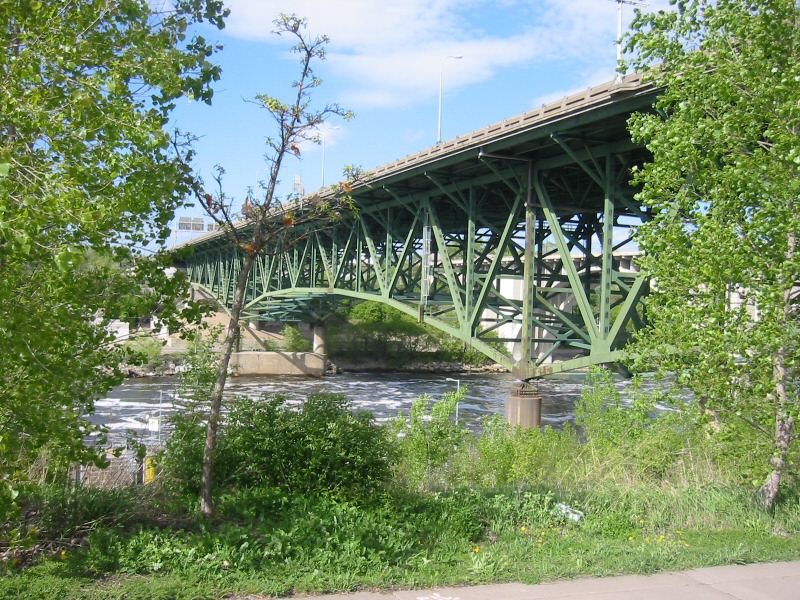


Scope and activities
ASCE's work spans many aspects of the built environment, including structural, geotechnical, transportation, water resources, environmental, and construction engineering. The society fulfills its mission through standards development, technical publications, conferences, continuing education, and advocacy for public policies that affect infrastructure and safety.
Publications, standards and resources
ASCE publishes peer-reviewed journals, magazines, and manuals that are widely used by practitioners and researchers. Notable outputs include specialty journals, the Civil Engineering magazine, and widely referenced design standards such as the ASCE 7 minimum design loads guidance. The society also produces reports and tools aimed at assessing and communicating the condition of infrastructure to decision-makers and the public.
Organization, membership and sections
ASCE is organized into technical divisions, regional sections, and student chapters that provide local networking and professional development. Membership includes practicing engineers, educators, students, and allied professionals. The society emphasizes ethics, licensure, and lifelong learning as part of professional practice.
History and public role
Since its 19th-century founding, ASCE has contributed to the professionalization of civil engineering in the United States, promoting standards for practice, education, and safety. It engages in public policy debates on infrastructure investment, resilience, and sustainability, often providing technical briefings for government bodies and the public.
Notable programs and distinctions
- Technical conferences and continuing education courses.
- Standards and manuals used in design and construction.
- Outreach programs for students and early-career engineers.
- Advocacy and infrastructure assessment reports.
For more information about the society's scope and activities see sections on history, standards, and professional resources through ASCE references and local sections; related organizational information can be found via national and professional directories (national engineering society, United States).
Questions and answers
Q: When was the American Society of Civil Engineers founded?
A: The American Society of Civil Engineers was founded on November 5, 1852.
Q: What is the purpose of the American Society of Civil Engineers?
A: The American Society of Civil Engineers represents members of the civil engineering profession worldwide.
Q: Where is the world headquarters of the American Society of Civil Engineers located?
A: The world headquarters of the American Society of Civil Engineers is located in Reston, Virginia.
Q: Is the American Society of Civil Engineers the oldest engineering society in the United States?
A: Yes, the American Society of Civil Engineers is the oldest national engineering society in the United States.
Q: Does the American Society of Civil Engineers have a global reach?
A: Yes, the American Society of Civil Engineers represents members of the civil engineering profession worldwide.
Q: How old is the American Society of Civil Engineers?
A: As of 2021, the American Society of Civil Engineers is 169 years old.
Q: What is the significance of the American Society of Civil Engineers?
A: The American Society of Civil Engineers is a prominent organization that represents a significant profession in society and has a long history of championing advancements in civil engineering.
Related articles
Author
AlegsaOnline.com American Society of Civil Engineers Leandro Alegsa
URL: https://en.alegsaonline.com/art/3474
Sources
- ascemetsection.org : ASCE Founders' Plaque
- asce.org : ASCE Profile
- asce.org : Strategic Planning