
Fisherman (Fisher): Roles, Methods, and Economic Importance
A fisherman (fisher) catches fish and other aquatic animals for food, income, or recreation. This article explains typical methods, equipment, history, cultural roles, and economic and environmental considerations.
Overview
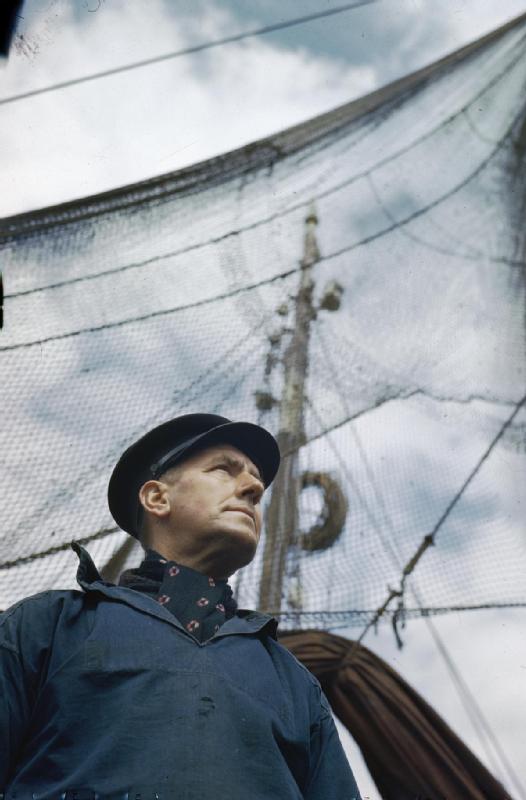
A fisherman, sometimes called a fisher, is a person who catches fish and, in many cases, other aquatic animals. The activity of catching fish is commonly known as fishing. People practice fishing for a variety of reasons: to supply food, to earn a living by selling their catch, or for leisure and sport. Estimates of the global number of fishers and related workers vary, with commonly cited figures in the tens of millions.
Image gallery
10 Images




Characteristics and equipment
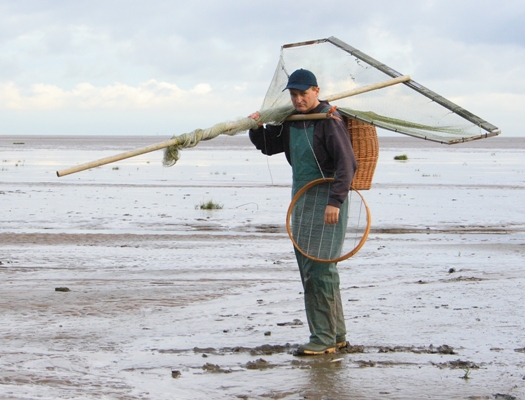
Fishers work in diverse environments—rivers, lakes, coastal waters, and the open ocean—and their gear reflects those settings. Common equipment includes nets, lines and hooks, traps, spears, and more specialized gear like longlines and trawls. Small-scale and artisanal fishers often use boats and simple hand tools, while commercial fleets operate with advanced vessels and mechanized equipment. Skills important to the work include species identification, navigation, knot-tying, and an understanding of seasonal behavior.
Methods and examples
- Line and rod fishing, widely used by recreational anglers and many small-scale fishers.
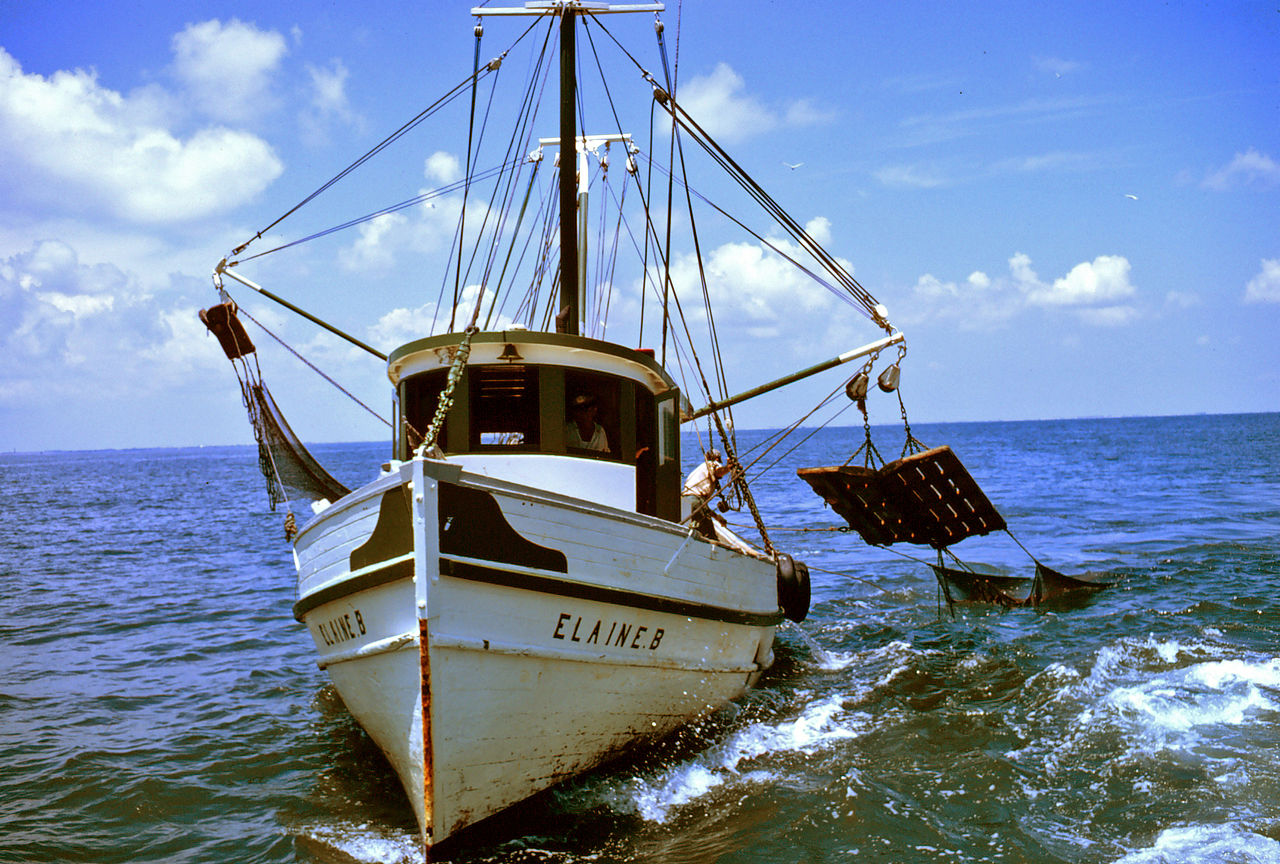
- Netting methods, from simple gillnets to large trawlers used in commercial operations.
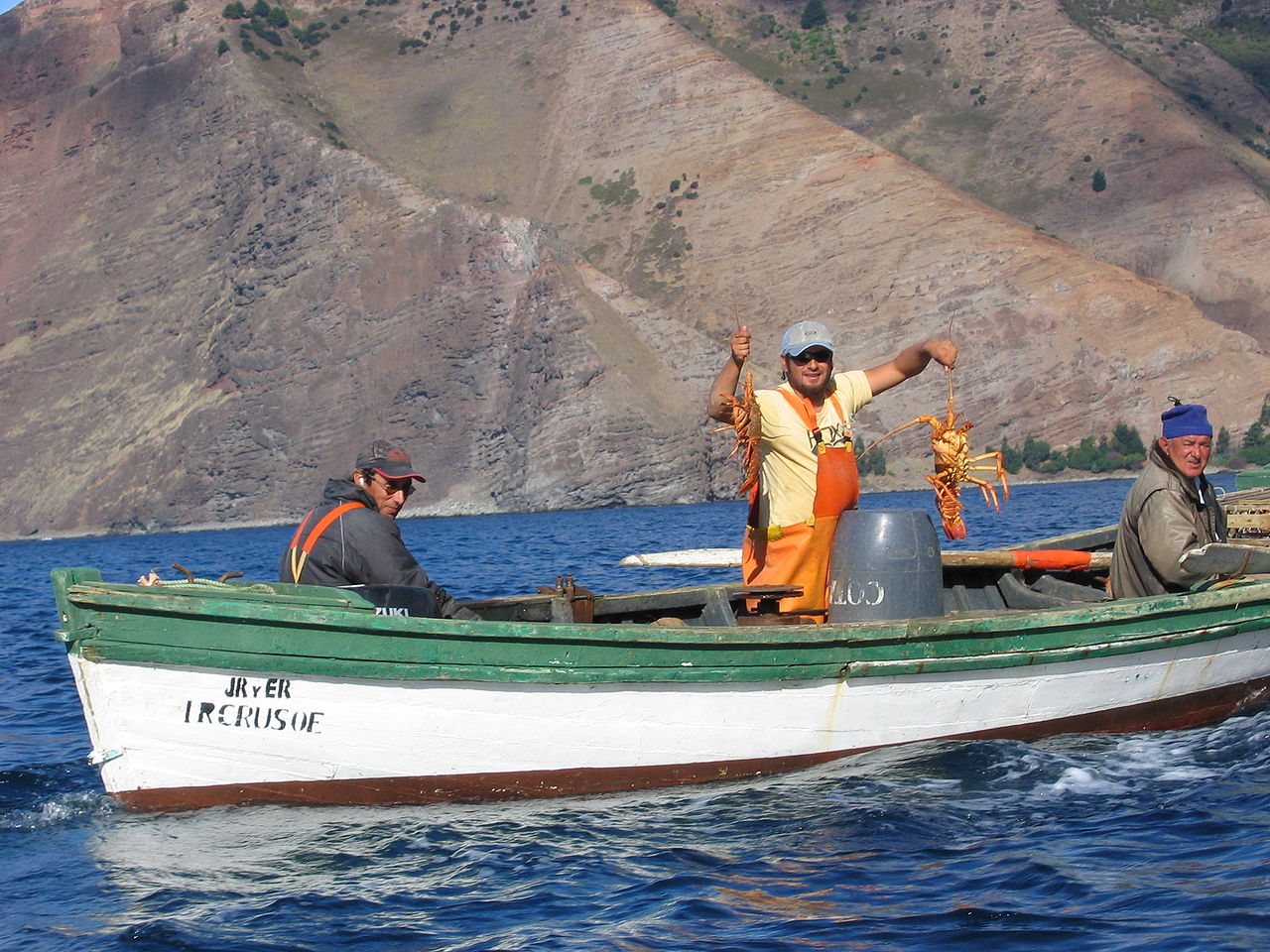
- Traps and pots for crustaceans and some fish species.
- Spearfishing and hand-gathering in coastal and intertidal zones.
Some fishers focus on particular species or habitats; others harvest a mix of fish and aquatic animals, which may be referred to in regulations and studies as bycatch or targeted catch. For more on aquatic habitats and related species, see habitat resources and entries on other harvested animals at related topics.
History and cultural role
Fishing is an ancient human activity with deep cultural roots in many coastal and riverine societies. Techniques and tools evolved from simple hand-collection and spearing to woven nets and seafaring boats. In many regions, fishing traditions shape cuisine, festivals, social organization, and artisanal crafts such as boat-building.
Economic and environmental importance
For millions of people, catching and selling fish is a primary source of income and dietary protein. Small-scale fisheries support coastal communities, while industrial fisheries supply global markets. At the same time, fisheries intersect with conservation issues: overfishing, bycatch, habitat loss, and pollution can compromise stocks and livelihoods. Policies aimed at sustainable harvesting, habitat protection, and responsible market practices are central to balancing use and conservation. Many fishers sell their catch commercially (market trade) or participate in subsistence fisheries.
Recreation, regulation, and distinctions
Not all who fish do so for money or subsistence; recreational or sport fishers pursue fishing as a hobby, which is regulated differently in many places and often requires licenses or follows catch-and-release practices (recreational rules, hobbyist resources). Standard distinctions separate artisanal and small-scale fishers from industrial fleets, and inland from marine fishers. For basic definitions and introductory resources see general references.
Questions and answers
Q: What is a fisherman?
A: A fisherman is a person who catches fish and sometimes other aquatic animals.
Q: What is fishing?
A: Fishing is the act of catching fish.
Q: How many fishermen are there approximately?
A: There are approximately 38 million fishermen.
Q: Why do fishermen catch fish?
A: Fishermen catch fish to sell and make money or to eat.
Q: Do all fishermen catch fish for money or food?
A: No, some fishermen fish as a hobby.
Q: What are other aquatic animals that fishermen could catch?
A: Fishermen could catch other animals that live in water, such as crabs or lobsters.
Q: How is fishing known?
A: Fishing is known as the act of catching fish.
Author
AlegsaOnline.com Fisherman (Fisher): Roles, Methods, and Economic Importance Leandro Alegsa
URL: https://en.alegsaonline.com/art/34633