
First Battle of the Atlantic (World War I)
Naval campaign (1914–1918) in which Germany and Britain fought to control Atlantic sea lanes through blockades, submarine warfare and convoying; a key element of economic warfare in WWI.
Overview
The First Battle of the Atlantic was the maritime campaign fought between 1914 and 1918 during the First World War. It was not a single battle but a prolonged contest for control of the Atlantic sea lanes and the waters around the British Isles. Both the British Empire and the German Empire sought to choke the other's supplies: Britain used its surface navy to impose a blockade, while Germany relied increasingly on submarines and surface raiders to disrupt Allied and neutral shipping.
Image gallery
10 Images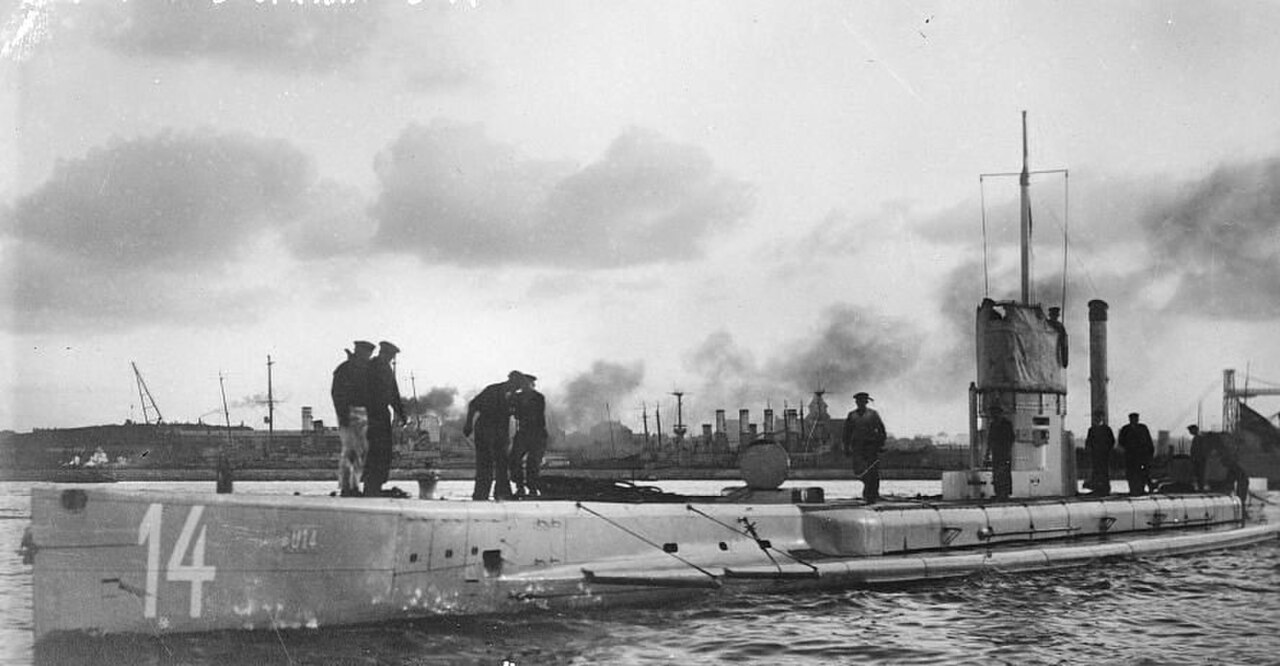



Strategic context and characteristics
Control of the Atlantic was vital because both belligerents depended on imported food, raw materials and munitions. The campaign combined several naval methods: a distant blockade by surface fleets, unrestricted submarine warfare by German U-boats, commerce raiding by cruisers and disguised merchantmen, seabed minefields and anti-submarine measures such as depth charges and decoy vessels. The geography — long shipping routes and approaches to British ports — made convoy protection and intelligence collection especially important.
German approach and escalation
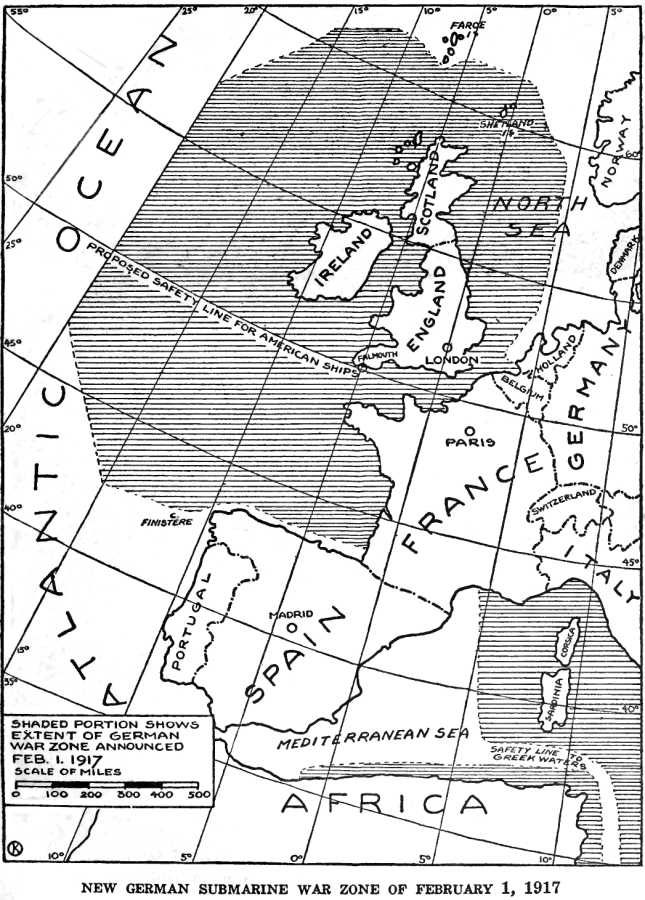
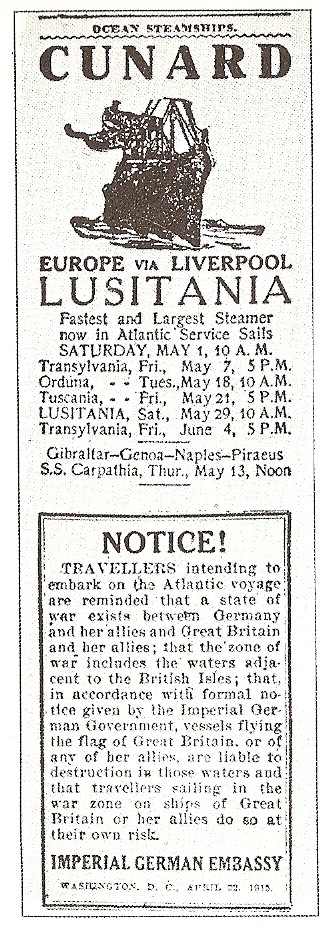
Germany’s High Seas Fleet was unable to force a decisive confrontation with the numerically superior Royal Navy, so German naval strategy emphasized asymmetrical attacks on merchant shipping. Submarines (U-boats) were the principal instrument. Early in the war attacks were restricted but, as the conflict continued, Germany adopted more aggressive policies. The sinking of passenger and merchant vessels by U-boats provoked international protest and helped shift public opinion, particularly in neutral countries.
British response and adaptations
The Royal Navy used its dominance of surface waters to enforce a blockade of Germany, aiming to reduce supplies reaching its ports. To defend merchant convoys, the British introduced escorted convoy systems and coordinated anti-submarine patrols, which became increasingly effective from 1917 onward. Tactics such as Q-ships (armed decoy merchants), improved hydrophones, and coordinated air and sea patrols reduced losses and limited the success of the U-boat campaign.
Consequences and legacy
The attritional struggle at sea had broad wartime effects. Britain’s blockade contributed to shortages in Germany and shaped the economic pressures facing the Central Powers. Conversely, periods of intense unrestricted submarine warfare threatened Allied logistics and influenced diplomatic relations, helping to draw new belligerents into the war. Lessons about convoys, anti-submarine warfare and economic blockade carried forward into naval doctrine and influenced preparations for the Second World War.
Notable facts and distinctions
- The First Battle of the Atlantic refers to the WWI maritime campaign and is distinct from the better-known WWII Battle of the Atlantic, which had different technologies and scale.
- Measures such as minefields and merchant escorts were critical complements to capital-ship operations.
- Incidents at sea during this campaign had important diplomatic repercussions and affected neutral opinion.
Further reading and resources
- Campaign timeline and overview
- Submarine warfare policies
- Naval operations and strategy
- World War I context
- Geography of the British Isles approaches
- Atlantic Ocean sea lanes
- German naval forces
- United Kingdom and the Royal Navy
- Blockade and economic warfare
- Royal Navy structure and deployments
- Imperial logistics and maritime routes
- Major surface engagements (e.g., Jutland)
- Submarine technology and tactics
- Notable sinkings and international reaction
- United States diplomatic response
- Effects of the blockade on Germany
- Treaty and postwar naval consequences
Questions and answers
Q: What was the First Battle of the Atlantic?
A: The First Battle of the Atlantic was a naval campaign of World War I fought largely in the seas around the British Isles and in the Atlantic Ocean.
Q: Why did both Germany and the United Kingdom aim to blockade each other?
A: Both Germany and the United Kingdom relied heavily on imports to feed their population and supply their war industry, so they aimed to blockade each other.
Q: Which country had the better navy during the First Battle of the Atlantic?
A: The British had the Royal Navy which was superior in numbers and could operate within the British Empire.
Q: Did the German Navy ever destroy the British Navy during the First Battle of the Atlantic?
A: No, the German Navy could not destroy the British Navy, as seen at the Battle of Jutland.
Q: What tactics did the German fleet mainly use during the First Battle of the Atlantic?
A: The German fleet mainly used unrestricted submarine warfare.
Q: How did neutral countries feel about the blockades and the sinking of RMS Lusitania?
A: Neutral countries disliked the blockades and the sinking of RMS Lusitania especially angered the United States.
Q: What was the impact of the successful blockade of Germany during the First Battle of the Atlantic?
A: The successful blockade of Germany contributed to its military defeat in 1918, and still in effect, enforced also the signing of the Treaty of Versailles in mid-1919.
Author
AlegsaOnline.com First Battle of the Atlantic (World War I) Leandro Alegsa
URL: https://en.alegsaonline.com/art/34519