
American lion (Panthera atrox): Pleistocene predator of North America
Large extinct felid of Pleistocene North America, known from La Brea and other sites; related to Eurasian cave lions and notable for its great size, debated taxonomy, and extinction at the end of the Ice Age.
Overview
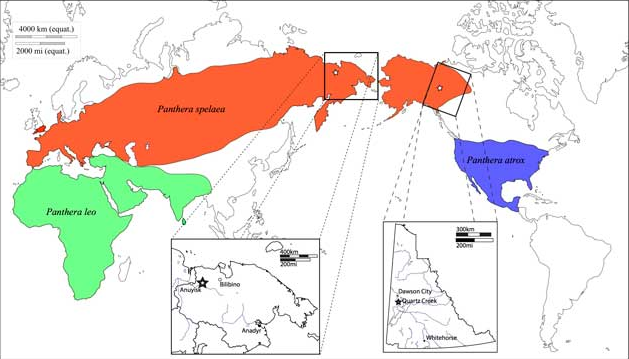
The American lion is an extinct large cat that lived across much of North America during the Pleistocene epoch. Often referred to in older literature as the American cave lion or by names such as Naegele’s giant jaguar, it is commonly assigned the scientific names Panthera atrox or Panthera leo atrox. Fossil evidence indicates it ranged from what is now the Arctic down into Mexico and is best known from multiple well‑preserved remains discovered at sites like the La Brea tar pits. For a general introduction to the species see this source and for its continental range consult regional summaries.
Image gallery
10 Images




Physical characteristics
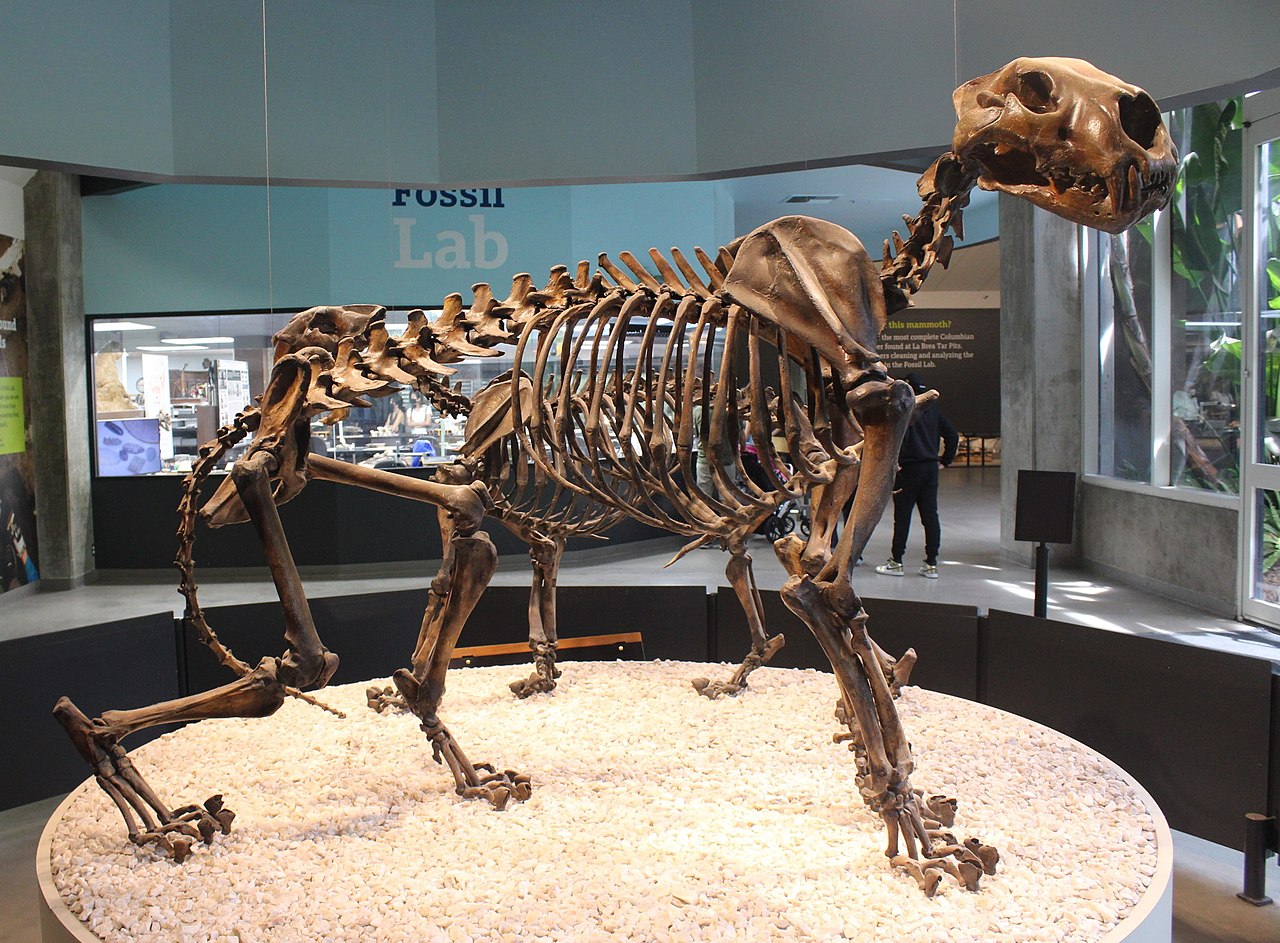
Compared with living African lions, the American lion was notably larger-bodied, with many estimates suggesting it exceeded modern lions in overall size and mass by a substantial margin. Its skeleton shows powerful forelimbs and large canines adapted to subduing sizeable prey. While reconstructions often resemble large tawny lions, the exact coat pattern and mane development remain uncertain because soft tissues rarely preserve. Paleontological context for its Pleistocene age is discussed in sources on the epoch: Pleistocene background.
Taxonomy and relationships
The species belongs to the family Felidae, and ancient DNA and morphological comparisons indicate a close relationship with the Eurasian cave lion (Panthera spelaea). Some researchers treat the American form as a distinct species, Panthera atrox, while others consider it a subspecies of Panthera leo. Genetic studies have helped clarify its affinities but debates about nomenclature and classification persist; for family‑level context see felid references.
Diet, behavior, and ecology
Evidence from tooth wear, bone damage and association with prey fossils suggests the American lion hunted large herbivores that roamed Ice Age grasslands and parklands. It likely preyed upon animals such as:
- wild horses and bison
- North American camels (extinct genera related to modern camels) — see camel relatives
- proboscideans such as mammoths and mastodons — see proboscidean remains
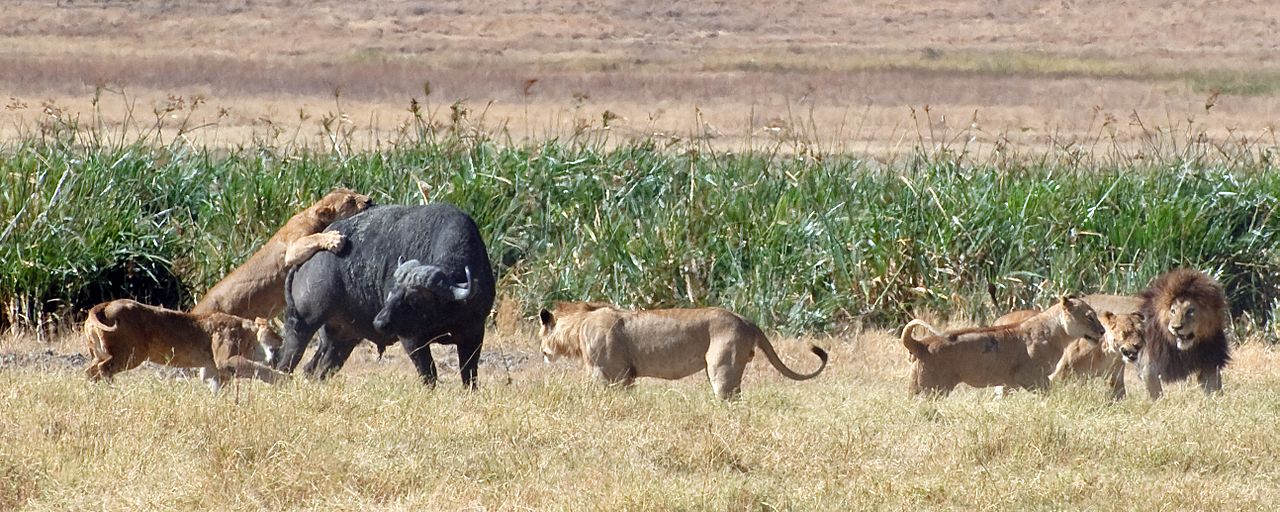
Whether it hunted cooperatively like modern lions or was more solitary is unresolved; some anatomical and taphonomic evidence supports limited sociality, while other lines of evidence suggest individual hunting of very large prey.
Fossil record and extinction
Large collections of American lion bones come from tar pits, caves and open‑air sites across North America. The La Brea tar pits in southern California are especially rich in specimens and have provided much of the public’s and science’s understanding of its anatomy. The species persisted until the end of the last Ice Age and disappeared around the time when many other large mammals vanished from the continent. Factors likely involved climate change, habitat shifts, reductions in prey populations and, possibly, increased interactions with human hunters.
Significance and notable facts
The American lion is an important example of Pleistocene megafauna and illustrates how large predators adapted to Ice Age environments. Its close relationship to Eurasian cave lions provides insight into faunal exchanges between continents during glacial intervals. Although reconstructions often emphasize its size and power, many aspects of its life history — social organization, precise coat pattern, and regional variation — remain topics of active research. For more on Pleistocene predators and comparative material consult the linked resources above: species overview, epochal context, and regional records at distribution summaries.
Questions and answers
Q: What is the American lion?
A: The American lion is an extinct species of lion that lived in North America during the Pleistocene.
Q: What other names is the American lion known by?
A: The American lion is also known as Naegele's giant jaguar and American cave lion.
Q: When did the American lion live?
A: The American lion lived 340,000 years ago to 11,000 years ago, for about 330,000 thousand years.
Q: What family did the American lion belong to?
A: The American lion belonged to the family Felidae.
Q: What is the American lion's relation to the Eurasian cave lion?
A: By analysing the species' genes, scientists have shown that the American lion and the Eurasian cave lion shared the same ancestor.
Q: How large was the American lion compared to other lions?
A: The American lion was slightly larger than the early middle Pleistocene cave lion, P. leo fossilis, and about 25% larger than the modern African lion.
Q: What did the American lion hunt?
A: The American lion hunted large mammals such as horses, camels, bison and mammoth.
Related articles
Author
AlegsaOnline.com American lion (Panthera atrox): Pleistocene predator of North America Leandro Alegsa
URL: https://en.alegsaonline.com/art/3441
Sources
- dinosaurs.about.com : "American Lion (Panthera leo atrox)"
- dinosaurs.about.com : About.Com Dinosaurs
- doi.org : 10.1111/j.1365-294X.2009.04134.x
- pubmed.ncbi.nlm.nih.gov : 19302360 · web.archive.org