
Fingering (musical technique)
Fingering is the choice of fingers used to play notes on an instrument. It shapes accuracy, speed, phrasing and ergonomics and varies by instrument, anatomy and musical context.
Overview
Fingering is the deliberate selection of which finger or digit to use for each note or action when playing a musical instrument. It is a fundamental element of technique that affects accuracy, tone, legato, articulation and the ability to execute fast or complex passages. Good fingering reduces physical strain, creates consistent results, and supports musical phrasing.
Image gallery
5 Images


Basic principles
Although approaches differ among instruments, several general principles guide fingering choices:
- Economy of motion: minimize unnecessary shifting or stretching.
- Continuity: arrange fingers so lines and phrases can be connected smoothly.
- Comfort and anatomy: adapt fingerings to the player’s hand size and flexibility.
- Consistency: once an effective fingering is found, reuse it to build reliable muscle memory.
Instrument-specific practices
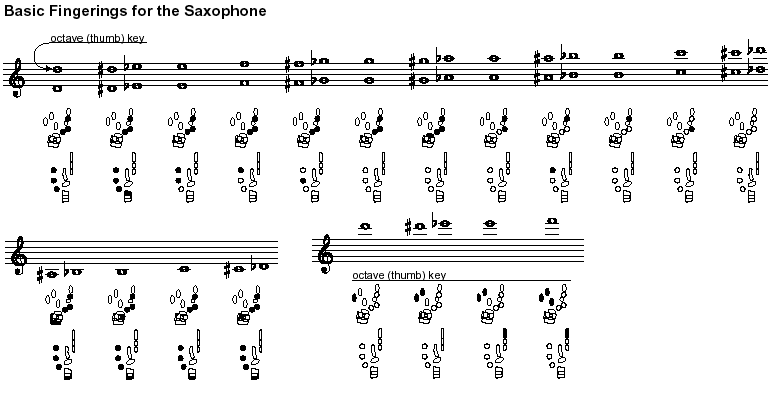
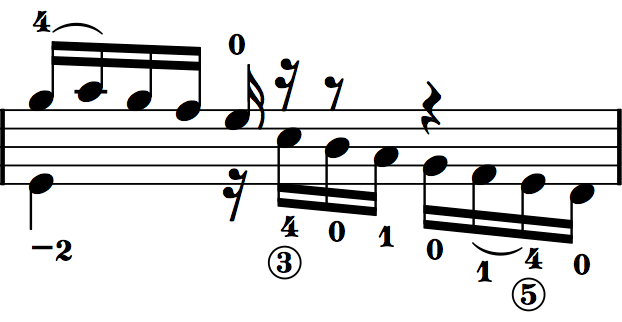
Each family of instruments has conventional fingering systems and special techniques. On keyboard instruments the five-finger numbering (thumb = 1) helps notate fingerings and plan hand distribution. String players combine finger placement with shifting and positions; open strings are often used where beneficial. Guitarists also consider right-hand fingering (p, i, m, a) and left-hand positions, including barrés. Woodwind and brass players use standard key combinations but may apply alternate fingerings for tuning or color changes. Bowing, thumb position, finger substitution and guide fingers are routine solutions across instruments to maintain line and intonation.
Notation and printed guides
Fingering is sometimes printed in scores or method books to suggest efficient patterns. These markings are helpful starting points but not absolute rules: individual hand size, musical intent, and preferred tone often require adaptation. Players consult charts and diagrams when learning unfamiliar passages; see fingering charts and general information about the musical instrument family to compare standard approaches. Many editions of printed music include editorial fingerings intended for typical hands.
Practical uses and pedagogy
Teachers emphasize finding fingering that supports phrasing, tempo and technical security. Learning alternate fingerings can provide options for difficult passages, ornaments, repeats or rapid changes. Practice strategies include slow repetition with the chosen fingering, isolated drills for shifting or finger substitution, and recording or marking the score so the chosen fingering is preserved.
Notable distinctions and tips
Important distinctions include numbered fingering systems (varies by instrument), open-string versus stopped fingering on strings, and left- versus right-hand roles on plucked instruments. When in doubt, prioritize comfort and musical outcome over slavish adherence to printed suggestions. Over time, consistent fingering becomes part of a player’s technical vocabulary and enables more reliable, expressive performances.
Questions and answers
Q: What is fingering in music?
A: Fingering in music means choosing which finger to use for each note when playing a piece on a musical instrument.
Q: Why is it important to find a good fingering when learning to play a piece?
A: It is important to find a good fingering when learning to play a piece so that the piece is always played in the same way and the fingers learn "where to go."
Q: Should printed music's fingering always be used when playing a piece?
A: It is not always necessary to use the printed fingering in music because people's hands are different and what works for one player may not work for another.
Q: How can printed fingering notes help a player?
A: Printed fingering notes can be helpful to a player because it gives them a reference point to start from when figuring out their own ideal fingering.
Q: What could happen if a musician doesn't use a consistent fingering when playing a piece?
A: If a musician does not use a consistent fingering when playing a piece, their fingers may not learn "where to go," and the piece may be played differently each time.
Q: Can the ideal fingering for a piece differ depending on the player's hand size?
A: Yes, the ideal fingering for a piece can differ depending on the player's hand size and finger dexterity.
Q: What are the benefits of using the same fingering consistently?
A: Using the same fingering consistently can help a musician to play a piece consistently, improve finger dexterity, and make the learning process of a new piece easier.
Related articles
Author
AlegsaOnline.com Fingering (musical technique) Leandro Alegsa
URL: https://en.alegsaonline.com/art/34403