
Fin de siècle
A cultural and historical label for the end of the 19th century and similar transitional periods, denoting particular artistic styles, attitudes, and social anxieties around the turn of the century.
Overview
Fin de siècle is a French phrase literally meaning "end of the century". In common usage it most often denotes the cultural mood and artistic movements associated with the closing decades of the 19th century, especially the 1880s and 1890s. The term also functions more broadly as a label for moments when an old order seems to be ending and a new one is emerging. For a simple lexical reference see definition.
Image gallery
7 Images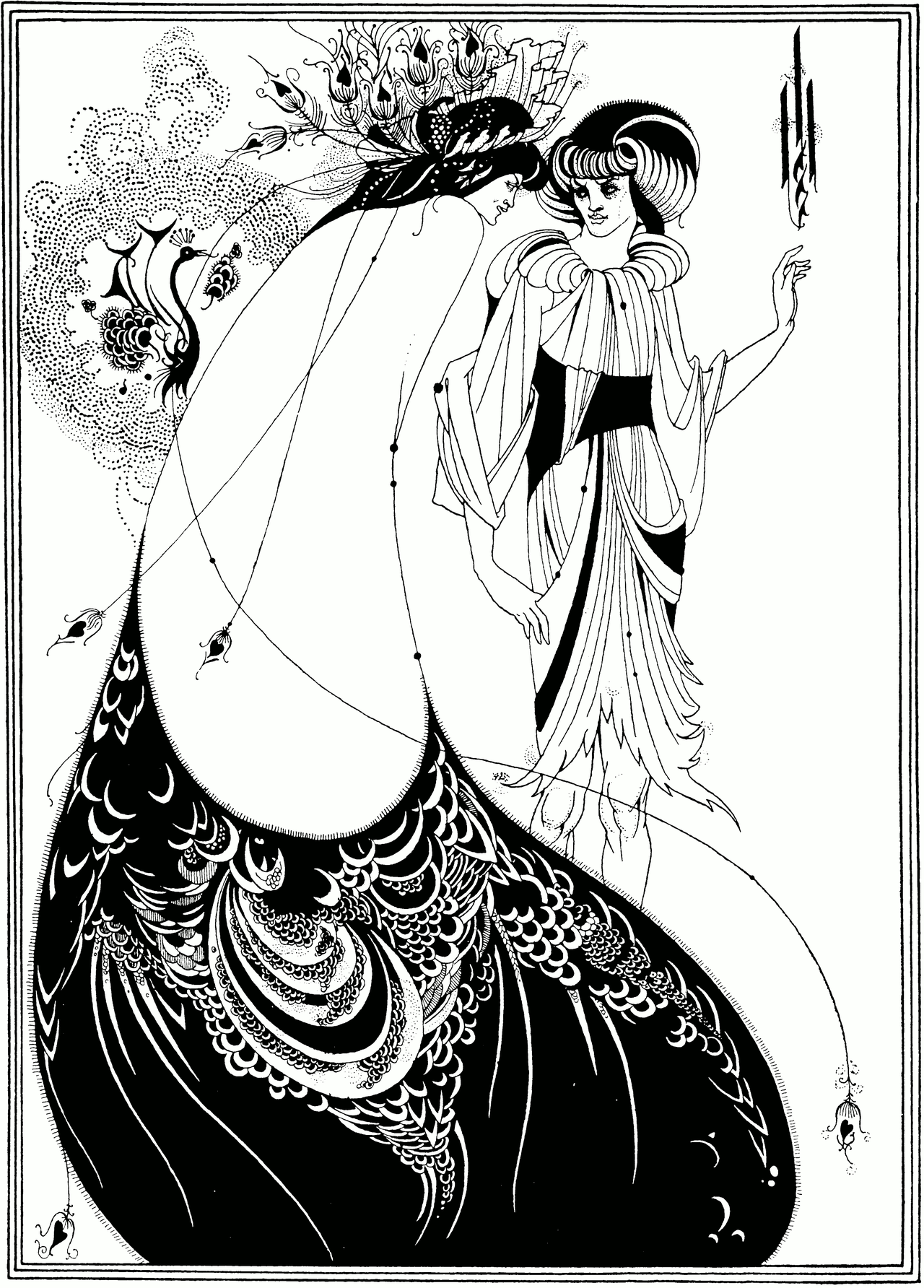


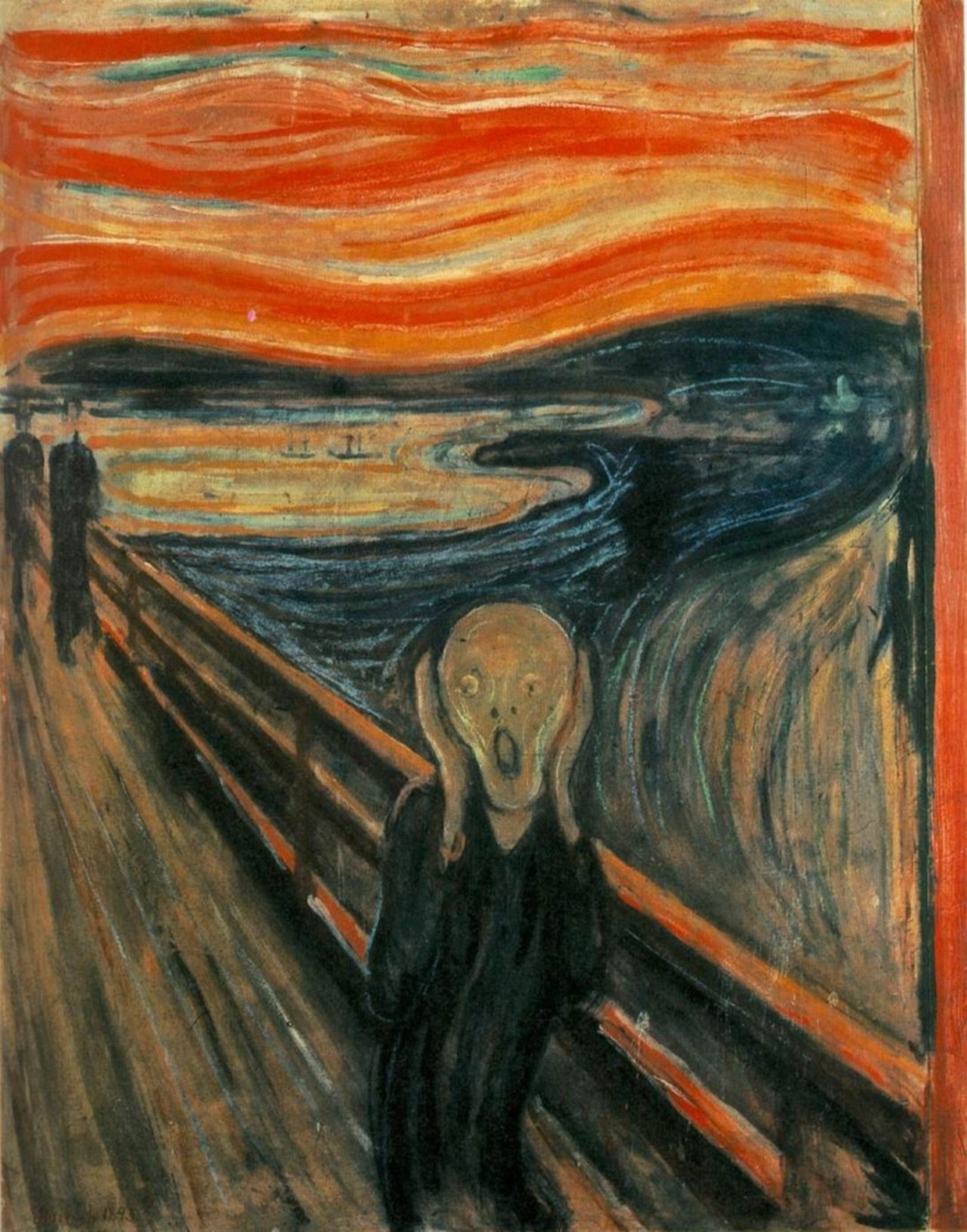

Cultural characteristics
The fin de siècle sensibility is usually described by a cluster of attitudes: a fascination with change and decline, an aestheticized sense of decay, and a skeptical or ambiguous response to progress. Critics and historians often summarize these tendencies as pessimism, a preoccupation with decadence, and a retreat from orthodox faith in steady social or technological improvement. These traits appear across literature, visual art, music, and popular culture of the period.
Artistic and literary expression
Artists and writers associated with the fin de siècle experimented with symbolism, irony, and artifice. Movements labeled "decadent" or "symbolist" produced works that emphasized sensation, subjective experience, and suggestive imagery rather than straightforward moral or didactic themes. The label is commonly applied to certain late-19th-century art and culture; see examples under art and culture. Typical subjects include urban alienation, nocturnal settings, mythic or exotic motifs, and elegant ennui.
Political and social context
Fin de siècle thought did not exist only in aesthetic realms: it also shows up in debates about modernity. Many contemporaries reacted against perceived excesses of industrialization, consumerism and scientific rationalism, voicing a kind of cultural revolt. Historians note opposition to materialism, rationalism, and positivism, and a critique of bourgeois society. A few scholars argue that some fin de siècle themes later fed into more radical political movements in the 20th century; discussions of any link to fascism are contested and require careful, specific evidence.
Common themes and examples
- Atmosphere of cultural exhaustion and expectation of renewal.
- Stylistic emphasis on symbolism, ornament, and subjective mood.
- Ambivalent attitudes toward science, empire, and liberal progress.
- Cross-disciplinary influence between literature, visual arts, and fashion.
Legacy and distinction
As a historical label, fin de siècle helps explain a transitional cultural moment rather than define a single movement with strict boundaries. It is useful for understanding why artists turned inward, why moral and aesthetic norms shifted, and why contemporaries felt both decline and possibility. The term is also applied metaphorically to other periods perceived as close to an epochal turning point. For introductory reading and further links see overview, art, and culture; for debates about ideology and later political impacts consult sources cited under political influence and critiques of materialism, rationalism, positivism, and bourgeois society.
Questions and answers
Q: What does "fin de siècle" mean?
A: Fin de siècle is a French phrase meaning "turn of the century". It is often used to refer to the time around 1900, or the end of an old era and the beginning of a new one.
Q: What type of art, culture and way of behaving was associated with fin de siècle?
A: The "spirit" of fin de siècle often refers to cultural hallmarks that were prominent in the 1880s and 1890s, such as pessimism and a belief that civilization leads to decadence.
Q: What were some of the themes associated with fin de siècle political culture?
A: The themes of fin de siècle political culture included revolt against materialism, rationalism, positivism, bourgeois society and liberal democracy.
Q: How did people view civilization during this period?
A: People during this period believed that civilization led to decadence.
Q: Was there any hope for a new beginning at this time?
A: Yes, despite feeling like it was a period of degeneration, there was also hope for a new beginning.
Q: Has fin de siècle been cited as having any influence on fascism?
A: Yes, it has been cited as having major influence on fascism.
Related articles
Author
AlegsaOnline.com Fin de siècle Leandro Alegsa
URL: https://en.alegsaonline.com/art/34343