
Figeac — historic town in Lot, Occitanie, France
Figeac is a historic commune and subprefecture in the Lot department of southern France, known for its medieval center and as the birthplace of Jean-François Champollion.
Overview
Figeac is a small administrative town and market center in southern France. As a commune it preserves a compact medieval core of stone houses, narrow lanes and arcades. Locally the town appears in Occitan as Fijac, reflecting the region's linguistic heritage within the broader region of Occitanie.
Image gallery
10 Images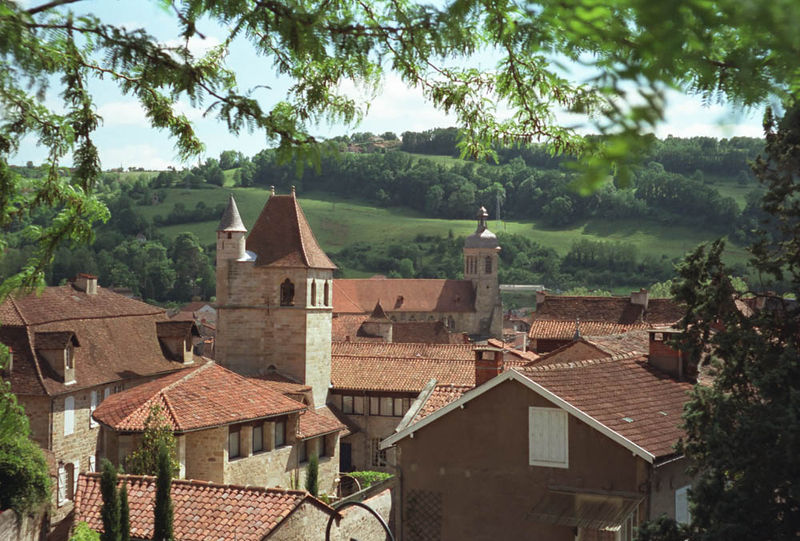




Administrative role
Figeac serves as a sous-préfecture and the capital of its arrondissement, an administrative subdivision that groups nearby communes for local government. The town anchors services and public administration for the surrounding rural area and hosts regular markets and civic events that support local life and tourism. It gives its name to the arrondissement of Figeac.
History and notable features
Figeac's streets and monuments date largely from the medieval and early modern periods. It is widely known as the birthplace of the Egyptologist Jean-François Champollion, who deciphered Egyptian hieroglyphs; the town commemorates him with a museum and public displays inspired by the Rosetta Stone. The old town contains a number of preserved churches, stone façades and vaulted passageways that attract cultural visitors and students of architecture.
Geography and economy
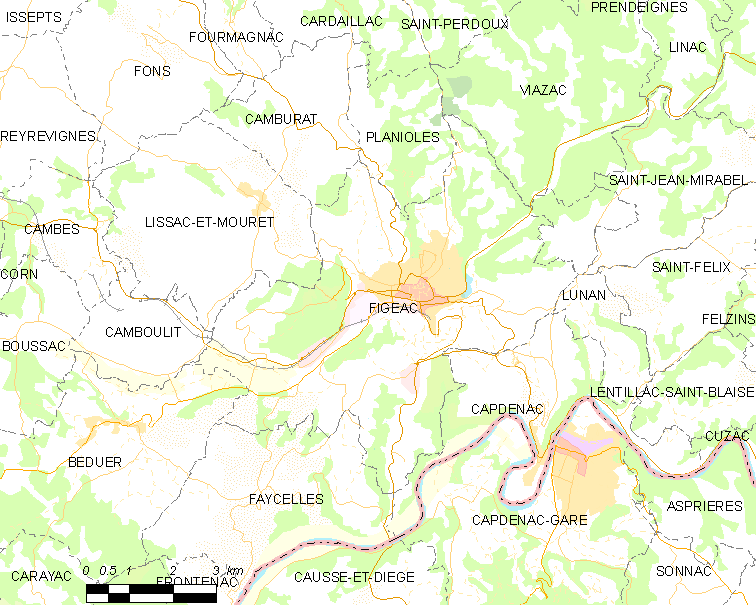
Located in the Lot department and its rural landscape of valleys and limestone plateaus, Figeac lies near river valleys and routes that lead toward the highlands of the Causses. The local economy combines agriculture, small-scale manufacturing, artisan trades and a steady stream of cultural tourism drawn by markets, festivals and heritage sites. The surrounding countryside supports livestock, fruit and cereal production as well as outdoor recreation.
Visiting and distinctions
Visitors find a compact historic center well suited to walking tours, weekly markets and seasonal festivals. Highlights commonly mentioned are the Champollion museum, the main church and the arcade-lined market square. Figeac's role as an administrative capital of its area gives it civic importance within the department while preserving a distinctly local character appreciated by travelers seeking historic towns off major tourist routes.
- Historic center and architecture
- Champollion museum and heritage
- Market town traditions and festivals
Questions and answers
Q: Where is Figeac located?
A: Figeac is located in southern France in the region of Occitanie.
Q: What type of commune is Figeac?
A: Figeac is a commune.
Q: What arrondissement does Figeac belong to?
A: Figeac belongs to the arrondissement of the same name in the Lot department.
Q: What is the capital of this arrondissement?
A: The capital of this arrondissement is Figeac.
Q: In what language do people speak in Figeac?
A: People in Figeac speak Occitan.
Q: What region does Occitanie belong to?
A: Occitanie belongs to southern France.
Related articles
Author
AlegsaOnline.com Figeac — historic town in Lot, Occitanie, France Leandro Alegsa
URL: https://en.alegsaonline.com/art/34257
Sources
- ville-figeac.fr : "Conseil Municipal"
- map-france.com : "Figeac"
- annuaire-mairie.fr : "Ville de Figeac"
- habitants.fr : "Figeac (46100)"
- insee.fr : "Régions, départements, arrondissements, cantons et communes"
- insee.fr : "Unité urbaine de Figeac (00364)"
- insee.fr : "Aire urbaine de Figeac (223)"