
Feral organisms: origins, ecology, and impacts
Feral organisms are formerly domesticated or cultivated plants and animals that live and reproduce in the wild; they affect ecosystems, economies, and conservation in complex ways.
Overview
A tame or otherwise domesticated organism that returns to a self-sustaining wild state is described as feral. This term applies most commonly to animals that escape or are released from domestic or captive situations and subsequently survive and reproduce outside human management. Plants that revert from being cultivated to growing freely are often called escaped, naturalized or introduced, but the biological process—loss of human control and adaptation to wild conditions—is comparable.
Image gallery
10 Images
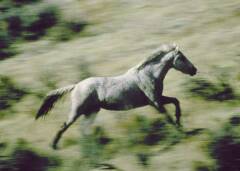


Characteristics and process of feralization
Feralization is a shift in behavior, ecology and sometimes genetics as formerly controlled organisms face natural selection. Behavioural changes can include increased wariness, altered foraging, and new social structures. Over generations some populations show morphological changes, for example in coat, size or reproductive timing, echoing traits that favor survival without human support. Not every escaped individual establishes a feral population: success depends on species traits, local climate, food availability and absence of predators or competitors.
Common examples and categories
Many familiar animals have notable feral populations. Examples include feral goats, sheep and cattle in island and mountain habitats; free-roaming horses and donkeys; cats and dogs; and rooting mammals such as pigs. Some plants formerly grown by people also persist and spread in the wild. The label differs from true wild animals: a wild-born zoo escapee, such as a lion that flees captivity, is not usually called feral because its ancestry was not domesticated.
Ecological and social impacts
Feral organisms can reshape ecosystems. They sometimes compete with or prey upon native species, damage vegetation, alter soil and hydrology, or transmit diseases. In extreme cases introduced feral populations have contributed to local extinctions and long-term ecological change, linking to concerns about extinction. Conversely, some feral or formerly domestic animals may fill vacant ecological roles and help control pest rodents or invasive plants, or provide seed dispersal and other functions. The net effect depends on context and management choices.
Management, ethics and conservation
Responses to feral populations range from eradication and control to tolerance or integration into restoration plans. Management tools include fencing, trapping, sterilization, hunting and habitat modification. Decisions involve ecological science, legal definitions, animal welfare, economic costs and cultural values. Conservation practitioners sometimes have to weigh the harm a feral population causes against the feasibility and ethics of removal.
Distinctions and terminology
- Feral: formerly domesticated, now free-living and breeding without direct human control (feral animal).
- Wild: never domesticated or reverted long before human records (wild).
- Introduced/naturalized: species moved by humans to new regions that establish long-term populations.
- Escaped/abandoned: terms describing the immediate cause of feral status, linked to human action but not to ecological outcome.
Understanding feral organisms requires blending ecology, history and human dimensions: why a species becomes feral, how it adapts, and what consequences follow at local and landscape scales. Management choices should be guided by scientific assessment, social values and the practical likelihood of success.
For further reading and definitions see related entries on tame animals, agricultural cultivation, the nature of the wild, legal issues around captivity, and case studies of cats, pigs and other species that have formed feral populations.
Questions and answers
Q: What is a feral organism?
A: A feral organism is a plant or animal that has changed from being tame or cultivated to being wild.
Q: What is a feral animal?
A: A feral animal is one that has escaped from a domestic or captive status and is living as a wild animal.
Q: Are animals that were wild before they escaped from captivity considered feral?
A: No, animals that were wild before they escaped from captivity are not regarded as feral.
Q: What are some examples of animals with feral populations?
A: Some common examples of animals with feral populations are goats, cats, and pigs.
Q: What are domesticated plants that revert to the wild usually known as?
A: Domesticated plants that revert to the wild are usually known as escaped, introduced, or naturalized, rather than feral.
Q: Do all species of plants and animals have the ability to go feral?
A: No, some species do not have the ability to survive in the wild and do not usually go feral.
Q: Can the introduction of animals or plants to new areas have negative effects on ecosystems?
A: Yes, the introduction of animals or plants to new areas may break down ecosystems and cause the extinction of native species.
Related articles
Author
AlegsaOnline.com Feral organisms: origins, ecology, and impacts Leandro Alegsa
URL: https://en.alegsaonline.com/art/33995