
Fentanyl: medical profile, history, uses, and public health concerns
Overview of fentanyl, a powerful synthetic opioid used in medicine and implicated in illicit overdose fatalities; covers properties, formulations, history, clinical use, risks, and distinctions.
Fentanyl is a synthetic opioid medication that acts on the central nervous system to relieve pain and produce sedation. First synthesized for clinical use in the 1960s, it has become an important tool in anesthesia and severe pain management because of its rapid onset and high potency. In controlled medical settings fentanyl is valued for producing predictable analgesia; however, outside those settings its potency also contributes to a large share of opioid overdose deaths.
Image gallery
10 Images




Pharmacology and characteristics
At a molecular level, fentanyl is a potent agonist of the mu-opioid receptor, the same primary target as morphine and other opioids. Compared with morphine, fentanyl is substantially more potent on a per-mass basis—commonly cited estimates place its potency many times higher—so much smaller amounts produce equivalent analgesic effects. It is characterized by a rapid onset when given intravenously and a relatively short clinical duration in single doses; different formulations are designed to extend or control release.
Common formulations and administration
Fentanyl is available in several pharmaceutical forms to match clinical need. Typical preparations include: an injectable solution for anesthesia and acute pain control, transdermal patches for sustained pain relief in chronic conditions, and transmucosal or nasal preparations for breakthrough pain. Each route alters onset, peak effect and duration. For example, transdermal systems release drug slowly over days, while intravenous administration produces effects within minutes. For links to product types and guidance see transdermal patch and opioid formulations.
History and development
The compound was developed as part of mid-20th century efforts to create synthetic analgesics suitable for surgical anesthesia and severe pain. The Belgian pharmacologist Paul Janssen and colleagues introduced fentanyl in the 1960s, after which manufacturers developed multiple medical formulations to exploit its potency and pharmacokinetic profile. Its role in perioperative care and in managing cancer-related pain expanded over subsequent decades.
Uses, benefits and clinical precautions
- Medical uses: anesthesia induction and maintenance, severe acute pain, chronic cancer pain, and in some controlled settings for breakthrough pain.
- Advantages: rapid onset, strong analgesic effect at low doses, and adaptable delivery systems that can provide continuous therapy.
- Safety considerations: because fentanyl can depress respiration, dosing requires careful titration, monitoring, and experience. In hospital settings it is used under close observation, often by anesthesia or pain specialists; see resources on its sedative and anesthetic properties sedative effects and anesthetic use.
Illicit use and public health impact
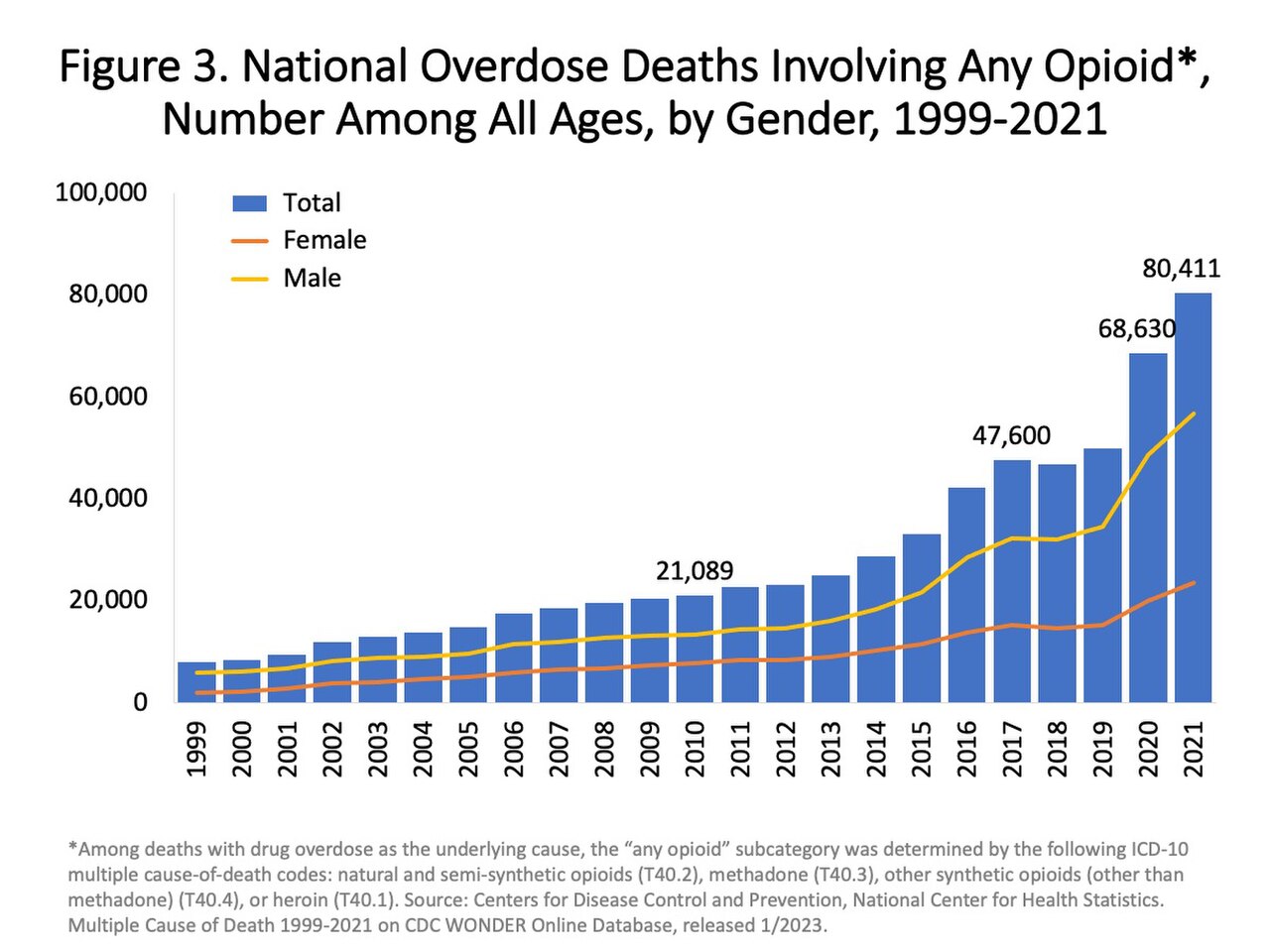
Illicitly manufactured fentanyl and related analogs have become prominent in the illicit drug supply in many regions. Because of its high potency and low cost to produce, it is sometimes mixed with heroin, cocaine or pressed into pills sold as other medications, increasing the risk of accidental overdose. Recreational use and contamination of street drugs have contributed to large numbers of overdose fatalities in recent decades. Harm reduction information and response strategies often reference naloxone distribution and testing methods; for background see recreational and illicit context and safety materials synthetic opioid resources.
Distinctions, analogs and handling risks
Fentanyl is one member of a family of synthetic opioids. Some analogs—compounds closely related chemically—can be substantially more potent (for example, certain veterinary or research chemicals) and present different risks. Pharmaceutical fentanyl is supplied as dilute, precisely measured preparations; raw powder forms are hazardous because the margin between an effective and a lethal dose can be small and difficult to judge by sight. Because of this, handling, storage and disposal of patches, solutions and any residual material require specific precautions; see clinical safety notes and disposal guidance safety margin and comparative potency.
For clinicians, patients and public health professionals, fentanyl represents a valuable therapeutic agent when used under appropriate supervision and a significant potential hazard when diverted to unregulated use. Ongoing efforts in prescribing practice, drug monitoring, forensic testing and public education aim to preserve clinical benefits while reducing harm from misuse; further clinical guidance and policy information is available through specialized sources anesthesia references and sedation guidelines. Additional resources and summaries can be found via clinical portals and harm-reduction organizations opioid guidance and synthetic opioid information.
Questions and answers
Q: What is Fentanyl?
A: Fentanyl is a synthetic opioid that is used as a painkiller and acts as a sedative.
Q: Who developed Fentanyl and when was it developed?
A: Fentanyl was developed by Paul Janssen in 1960.
Q: How potent is Fentanyl compared to morphine?
A: Fentanyl is about 120 times as potent as morphine.
Q: What are the two most common forms of Fentanyl?
A: The two most common forms of Fentanyl are patches that are put on the skin and an intravenous solution.
Q: What is the therapeutic index of Fentanyl?
A: The therapeutic index of Fentanyl is relatively wide at 270, making it a safe surgical anesthetic when monitored carefully.
Q: How long does it take for the effects of Fentanyl's intravenous solution to be seen and how long does it take for the concentration in the bloodstream to have halved?
A: The effects of the intravenous solution can be seen after three to five minutes, and in about twelve hours, the concentration in the bloodstream will have halved.
Q: Is Fentanyl a recreational drug and what has been the consequence of its abuse?
A: Yes, Fentanyl is also used as a recreational drug, and its abuse has led to thousands of overdose deaths each year from 2000 to 2015. Deaths have also resulted from improper medical use.
Related articles
Author
AlegsaOnline.com Fentanyl: medical profile, history, uses, and public health concerns Leandro Alegsa
URL: https://en.alegsaonline.com/art/33990
Sources
- globalnews.ca : "'It is a huge issue': 145 fentanyl-related deaths in Alberta so far in 2015"
- pewtrusts.org : "As Fentanyl Deaths Spike, States and CDC Respond"
- latimes.com : "Death toll rises to 9 in suspected fentanyl overdoses in Northern California"
- books.google.com : New Anesthetic Agents, Devices, and Monitoring Techniques