
Fell (upland, moor and mountain landforms)
A fell is a high, open landscape such as a moor-covered hill or mountain. The term derives from Old Norse and is widely used in parts of Scandinavia, the Isle of Man, northern England and Scotland.
A fell is a high, generally treeless landform such as a mountain, ridge, plateau or moor-covered hill. The English word comes from Old Norse fjall and is still reflected in related forms in northern Europe. The name is commonly applied in Scandinavia, on the Isle of Man, in parts of northern England and across Scotland, where local languages and place names preserve the ancient term.
Image gallery
10 Images





Characteristics
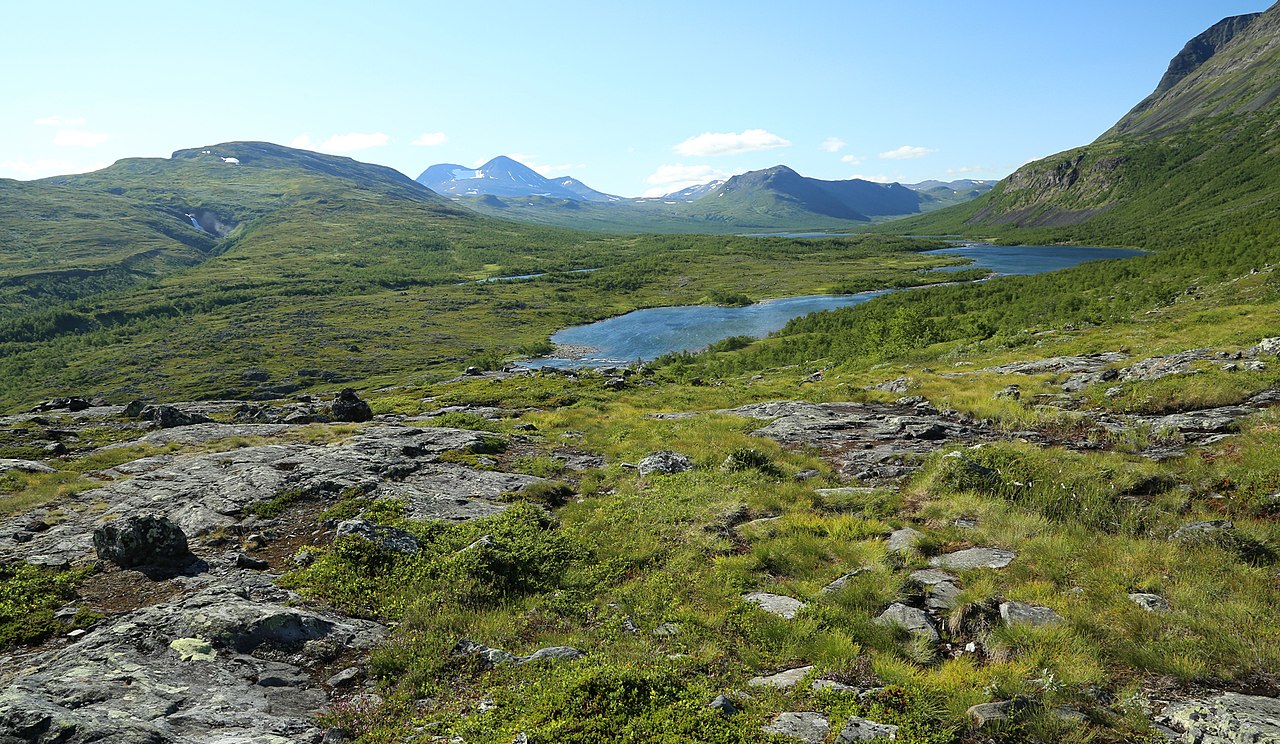
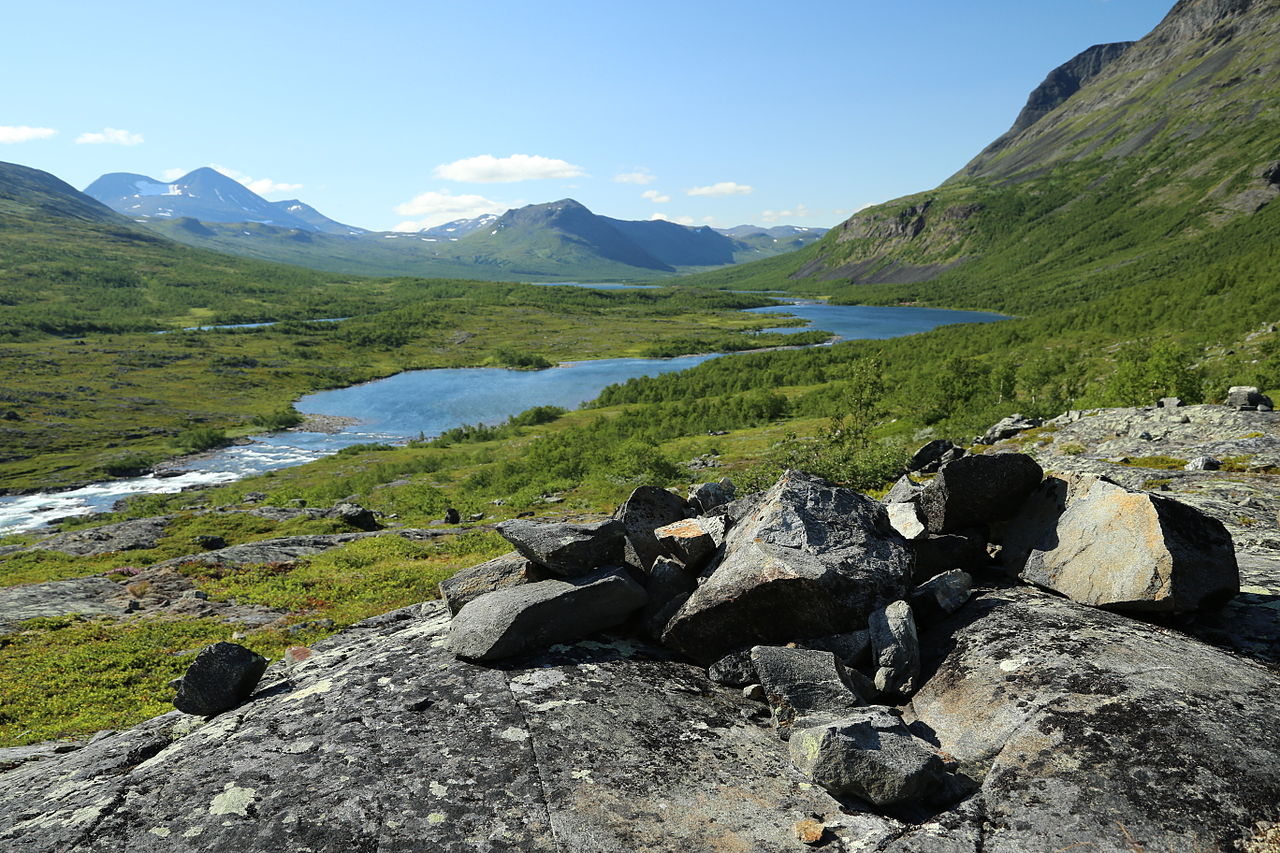
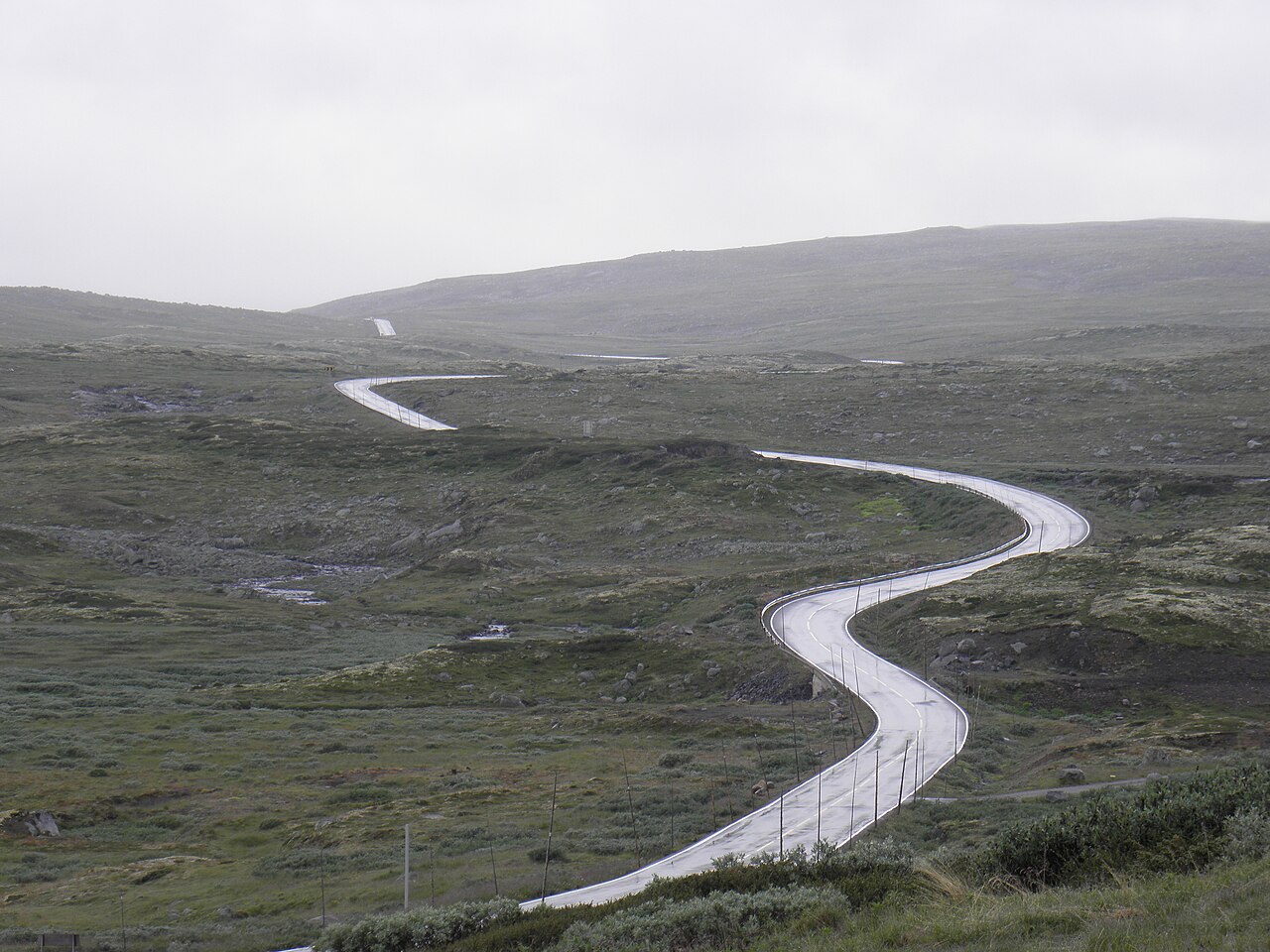
Fells vary in height and shape but share several typical features: open, exposed tops; sparse tree cover; and ground dominated by grasses, heather, peat or bare rock. Many fells were shaped by glaciers during the last ice ages, producing rounded summits, corries and small mountain lakes or tarns. Drainage is often poor on plateaus, producing bogs and peaty soils.
Formation and names
Geologically, fells occur where uplifts, harder bedrock or glacial scouring left higher ground relative to surrounding lowlands. Linguistically, the word appears in several related forms: fjell (Norwegian), fjäll (Swedish) and the English fell, reflecting Norse influence on place names and vocabulary in affected regions. Many well‑known upland summits carry the element in their names.
Uses, recreation and ecology
Fells support traditional pastoral uses such as sheep grazing and seasonal grazing practices. They are also valued for recreation: walking, hill‑walking and the regional sport of fell running are popular in upland areas. Ecologically, fells host specialized communities adapted to wind, poor soils and acidic conditions; blanket bogs and heathland on fells are important for biodiversity and carbon storage.
Distinctions and notable facts
In common usage a fell may be called a hill, mountain or moor depending on local convention rather than strict height. The term carries cultural weight in upland communities and appears frequently in regional literature, outdoor terminology and place names. Management of fells balances grazing, recreational access and conservation of fragile habitats.
Questions and answers
Q: What is a fell?
A: A fell is a high and barren landscape feature like a mountain range or moor-covered hills.
Q: What is the origin of the word "fell"?
A: The word "fell" comes from the Old Norse words "fell" or "fjall" which mean "mountain".
Q: Where is the term "fell" most often used?
A: The term "fell" is most often used in Scandinavia, the Isle of Man, parts of northern England, and Scotland.
Q: Can a fell be low and covered with vegetation?
A: No, a fell is a high and barren landscape feature, and typically not covered with vegetation.
Q: How does a fell differ from a hill?
A: A fell is a specific type of hill that is typically barren and high, while a hill can have varying degrees of vegetation and elevation.
Q: Is a fell always rocky?
A: While a fell can be rocky, it is not necessary for it to be so. It can also be covered in scree or even be grassy in some cases.
Q: Can a plain be considered a fell?
A: No, a plain cannot be considered a fell as it is typically flat and not high or barren.
Related articles
Author
AlegsaOnline.com Fell (upland, moor and mountain landforms) Leandro Alegsa
URL: https://en.alegsaonline.com/art/33936