
Formation of the Commonwealth of Australia: Uniting Six Colonies into a Federation
Overview of how six British colonies—NSW, Queensland, South Australia, Tasmania, Victoria and WA—federated under the 1901 Constitution, the conventions, referendums and leaders behind Australia’s birth.
The federation of Australia describes how six separate British colonies — New South Wales, Queensland, South Australia, Tasmania, Victoria and Western Australia — combined to form a single nation. When the Constitution of Australia took effect on 1 January 1901, those colonies became states within the Commonwealth of Australia.
Image gallery
10 Images


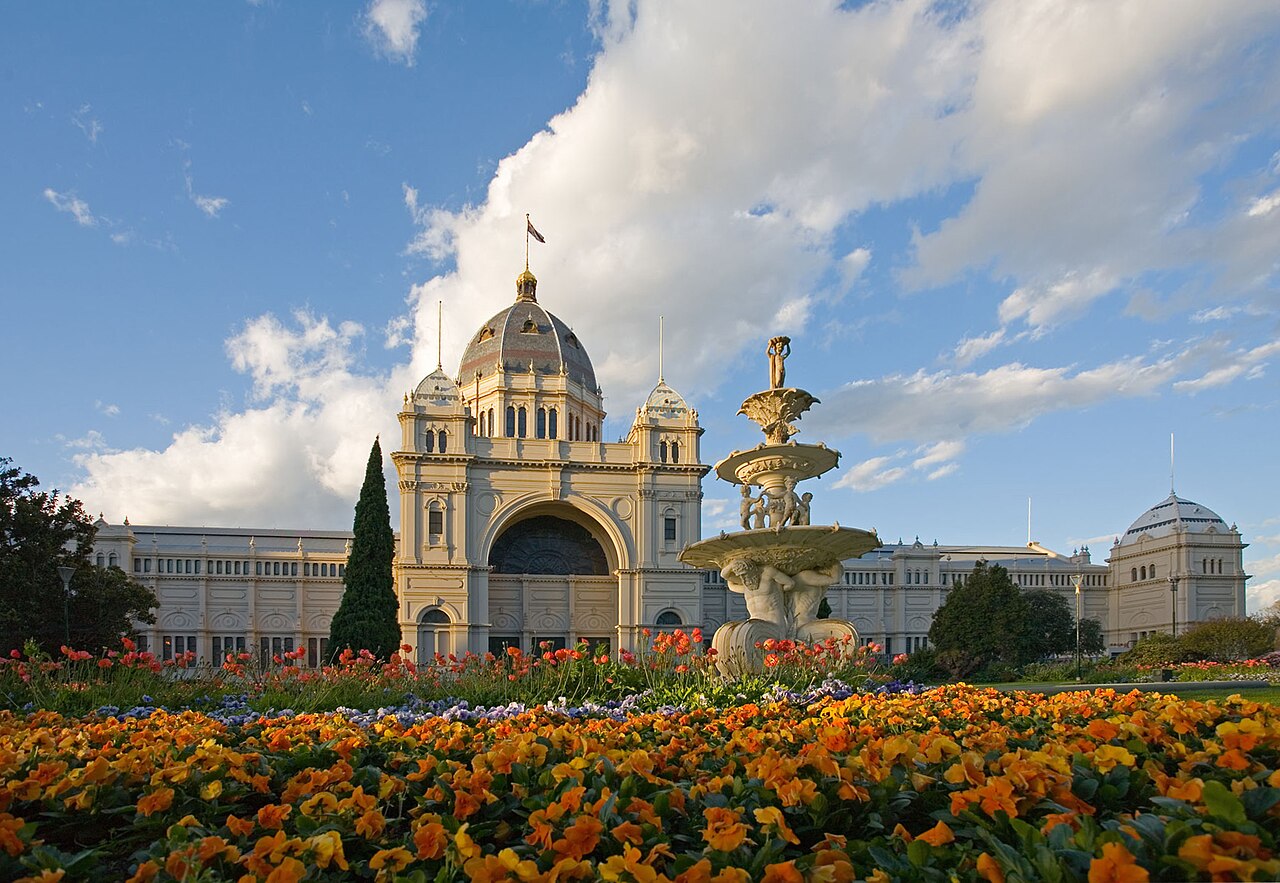


Background and the path to union
Efforts to create a united Australian polity began in the mid‑19th century. Movements for closer ties between the colonies were present in the 1850s and 1860s, but it was during the 1890s that serious drafting took place. A series of constitutional conventions brought delegates together to produce a federal constitution; the draft then went to voters in the colonies and was approved in the necessary referendums.
A leading public figure in the campaign for federation was Sir Henry Parkes, who as Premier of New South Wales helped promote cooperation between the colonies. For a period, neighbouring territories such as Fiji and New Zealand were discussed as possible members, but neither joined the new Commonwealth.
The first federal government
On the proclamation of the Commonwealth, Sir Edmund Barton was appointed to lead the new national government as the Prime Minister of Australia until elections could be held. Those first federal elections confirmed his position and inaugurated the initial Australian parliament.
Questions and answers
Q: What is the federation of Australia?
A: The federation of Australia was the way that the six separate British colonies of New South Wales, Queensland, South Australia, Tasmania, Victoria and Western Australia joined together to become one country.
Q: When did the Constitution of Australia come into force?
A: The Constitution of Australia came into force on 1st January 1901.
Q: How long did people try to get the colonies to join together in a federation of Australia?
A: People had been trying to get the colonies to join together in a federation of Australia during the 1850s and 1860s.
Q: Who was the main person who supported the idea of a federation of Australia?
A: Sir Henry Parkes, Premier of New South Wales, was the main person supporting the idea of federation of Australia.
Q: Which countries were going to be part of the federation of Australia but decided not to join?
A: Fiji and New Zealand were going to be part of the federation of Australia but decided not to join the federation.
Q: Who was put in charge as Prime Minister of Australia soon after the federation happened?
A: Sir Edmund Barton was put in charge as Prime Minister of Australia soon after the federation happened.
Q: Who won the first Australian election as Prime Minister after the federation of Australia?
A: Barton won the first Australian election as Prime Minister after the federation of Australia.
Related articles
Author
AlegsaOnline.com Formation of the Commonwealth of Australia: Uniting Six Colonies into a Federation Leandro Alegsa
URL: https://en.alegsaonline.com/art/33871